Bryanston School
Hotel description
- Address: Bryanston School, Blandford, Dorset, DT 0PX
- Director:Sarah Thomas (Sarah Thomas), received education at Bekenhad High School (Birkenhead High), Oxford University (Bachelor ' s degree) and Kings College in London (King`s College), has served as head of school since 2005. Previously served as Deputy Director of Appingham School (Uppingham) and Director of A-level Sevenoax School (Sevenoaks).
- Year of reason: 1928.
- School status: A combination of boys and girls aged 13-18, day-to-day training/pancion, school stay, maybe 13 years.
- Ownership:School Directors Conference (HMC).
- Number of pupils: 659 pupils, of whom 100 are full-time students (60 boys, 40 girls), 559 live in school residence (319 boys, 240 girls), the last year (Upper sixth): 132 pupils.
Bryanston School.
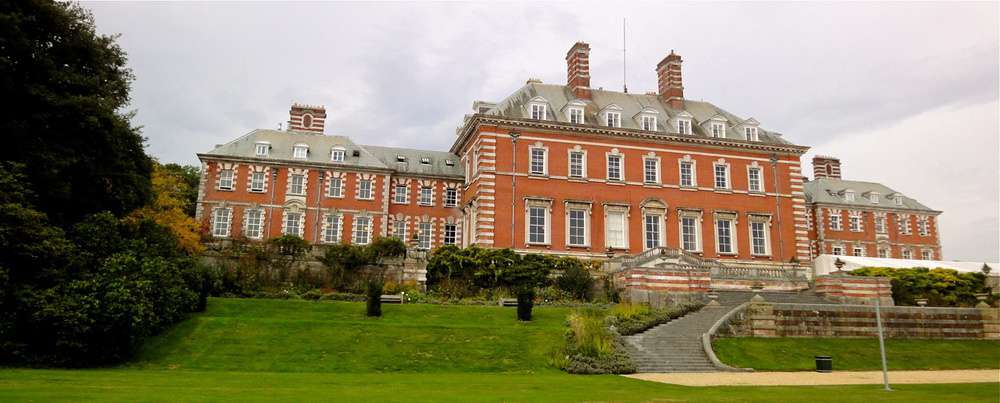
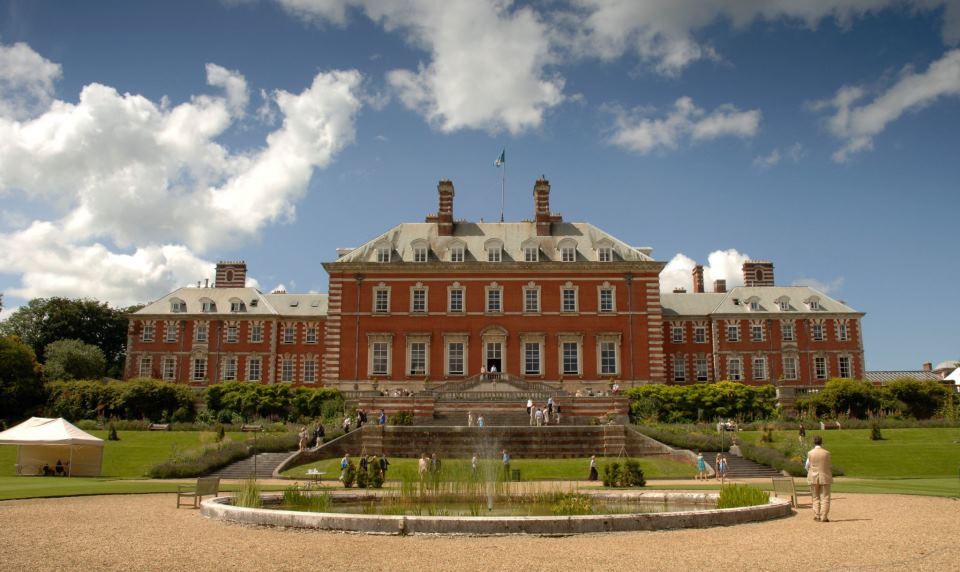
The private English-Pancion Bryanston School is near Blanford Forum, Dorset County, and has 400 acres in one of the most beautiful corners of England.
Bryanston.
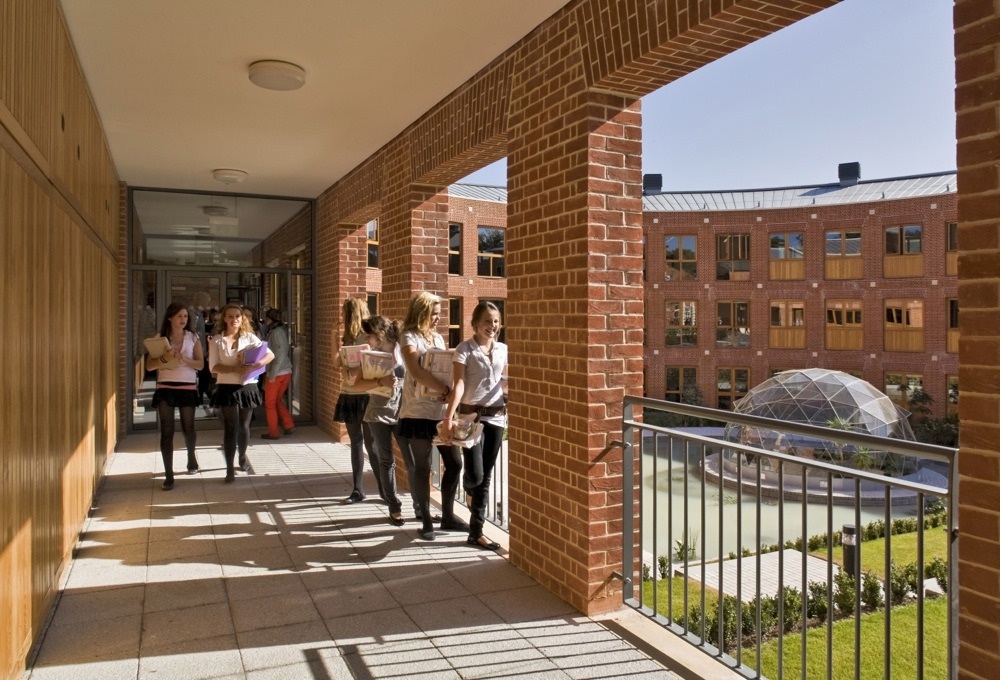
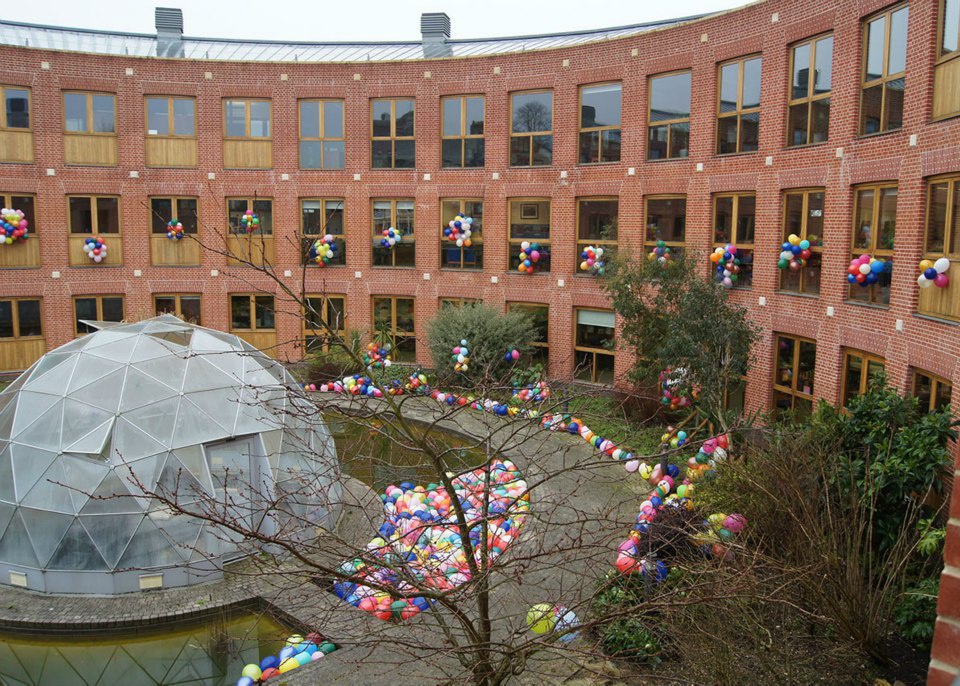
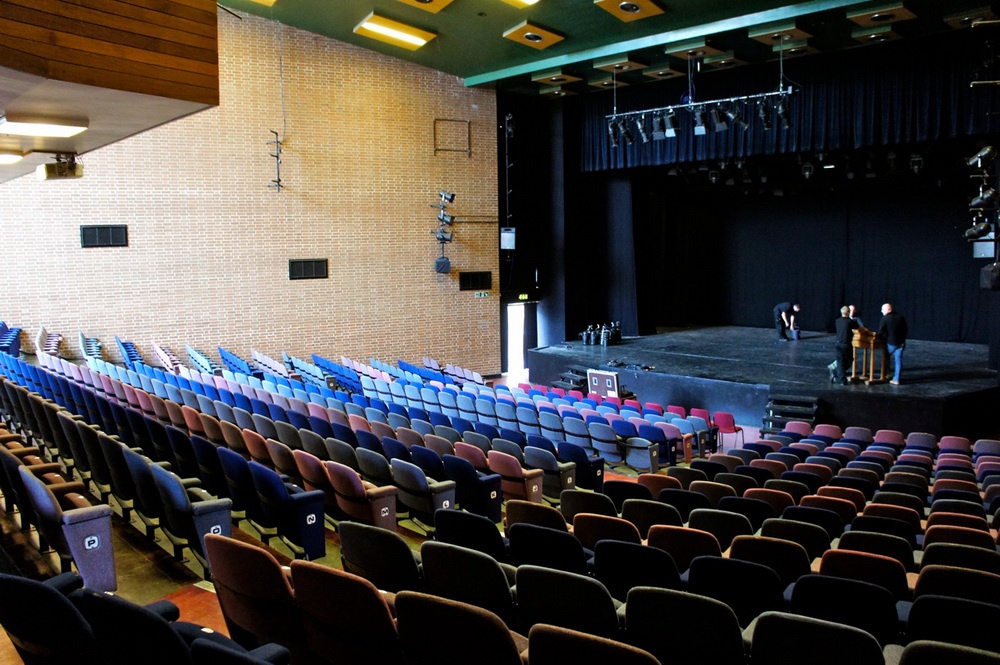
The main building of the school, built in 1987, is a luxury country house from a red brick, surrounded by the Portland Stone. Some buildings are occupied by art and technology departments and theatre and amphitheatre.
The new centre of creativity has a dance studio and a ceramic and textile training workshop.
Additional lessons are being learned in the skilled kitchen.
Initially, only boys were enrolled in Branston, but since the mid-1970s, the school has started to accept girls. Students show a high academic level and test results.
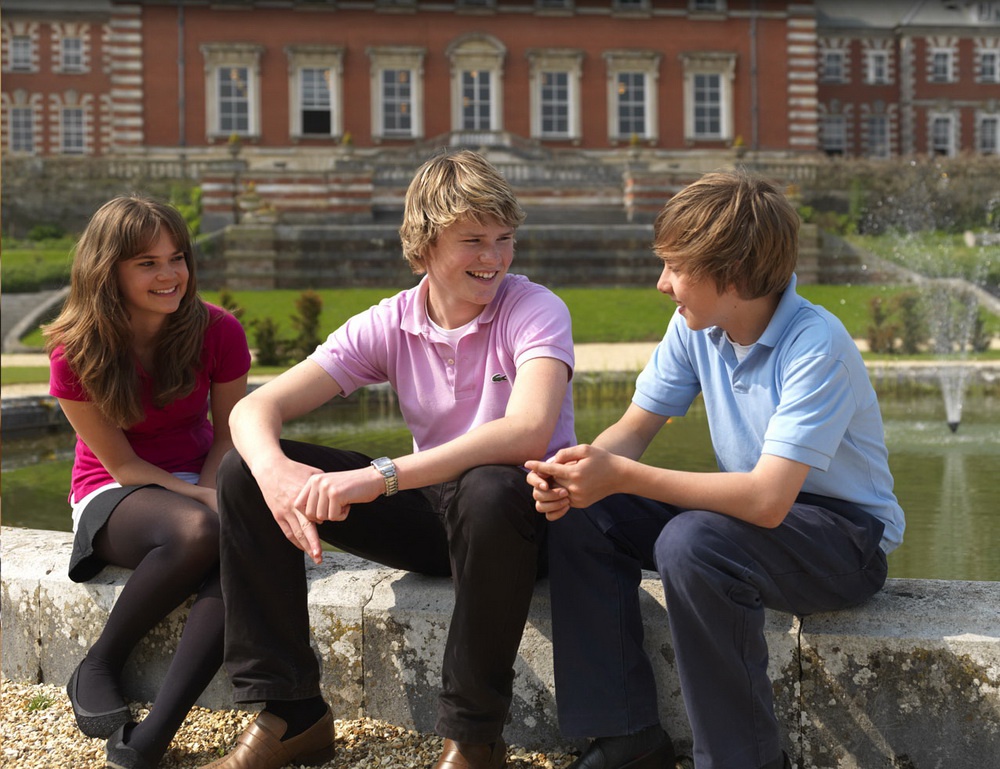
Special attention is paid to creativity, self-discipline, motivation, self-organization and self-employment skills. The school has a very friendly atmosphere.
Students can always seek help from personal mentors and teachers.
Bryanston School.
Basic age of income: 13 and 16 years. Entrance examinations are required for school enrolment. Common Entrance and its own entrance examination are used for school enrolment. For graduating classes (Sixth Form)
40 points on GCSE are needed. A small number of students come from public schools in 13 and about 15 per cent to senior classes.Students ' parents: 40 per cent are employed in the productive and commercial sphere, 22 per cent are doctors, lawyers, 8 per cent are military, 6 per cent are theatre, media and music. Up to 40 per cent of pupils ' parents live in a radius of 30 miles from school, 8 per cent live abroad.
Training plan: There are GCSE, AS and A-level programmes at Branston School. GCSE proposes 18 items and AS/A-level more than 22 items. Every student has a personal mentor he meets every week. At AS-level, the majority of high school students choose four subjects, A-level 3.
7 per cent of pupils choose only mathematics/natural sciences, 46 per cent art/humanitarian sciences, 47 per cent both.
Languages: French, German, Spanish are proposed for the surrender of GCSE and A-level. There's also a GCSE on Italian in high school.
Student exchanges are organized with other schools.
Information and communication technologies (ICT): Behavioured as a separate subject and as part of the curriculum for other subjects.
ICT can be surrendered to GCSE and A-level. Students have 150 computers (14 hours a day). Each computer is connected to the network, has access to e-mail and Internet access (restricted). Many students have their own laptops.
Examination results: GCSE 130 students for 11 years of study, 98 per cent received at least an estimate of C for 8 subjects. A-level 125 in the last year of education, 80 per cent surrendered more than 4 subjects, 19 per cent surrendered 3 subjects. Average final score obtained by pupils during the last year of A-level training is 363.
After graduation: 98 per cent of graduates go to the university (75% a year). Of these, 7 per cent are at Oxford and Cambridge universities, 39 per cent study art, 15 per cent are natural sciences, 6 per cent are engineering and technology, 22 per cent are social sciences, 11 per cent are applied and 7 per cent combine several subjects.
Arts in Bryanston School.
Music: More than 60 per cent of students play a musical instrument. There's an opportunity to take an instrumental examination. There's two big orchestras at school, a stringed camera orchestra, a concert group, a dance group, six choirs and a lot.
Small informals and groups. There are many musical events at the school.Drama: Theatre Art A-level and Examen of the London Academy of Music and Dramaturgia (LAMDA). There are 15 plays per year, 12 professional music dramas.
Arts and design: On average, 70 students turn the GCSE into drama and 30 A-level. Sculpture, poetry, photographs, press and textiles are also held at school. Branston students often go to art colleges.
Sport in Bryanston School.
Sport is compulsory for every student. The school has its own stable. They're organising a sailing sport in the city of Pul.
In addition, a wide range of sports is proposed: rugby, cricket, tennis, athletic, non-ball, swimming, ridges and canoe, lacrosse, crossroads, squeeze, budminton, fencing, top ride and navigation.
We can give A-level sports. Students often represent counties in sports such as rugby, hockey, athletics.
In addition to sports, students are optionally invited to participate in the Duke of Edinburgh award (community work, sports, expedition).
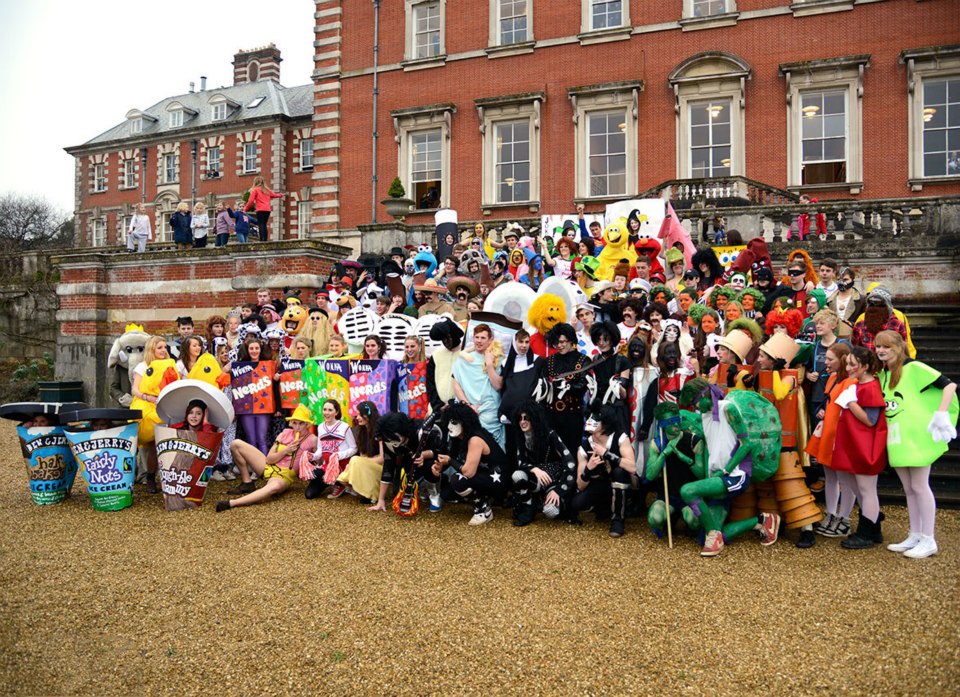
There are up to 80 clubs in the school, including chess, films, jazz, etc.
School life in Bryanston School.
School form: School uniform is not mandatory, but school has a certain style of clothing.
Prefects and elders of dormitories and schools are selected.
Religion: The Anglican Church, a visit to the Church, is encouraged but not compulsory. Religion does not affect school enrolment.
Social life: Travel to France, Italy, Spain, Greece, to mining resorts. Students can use their own bike at school.
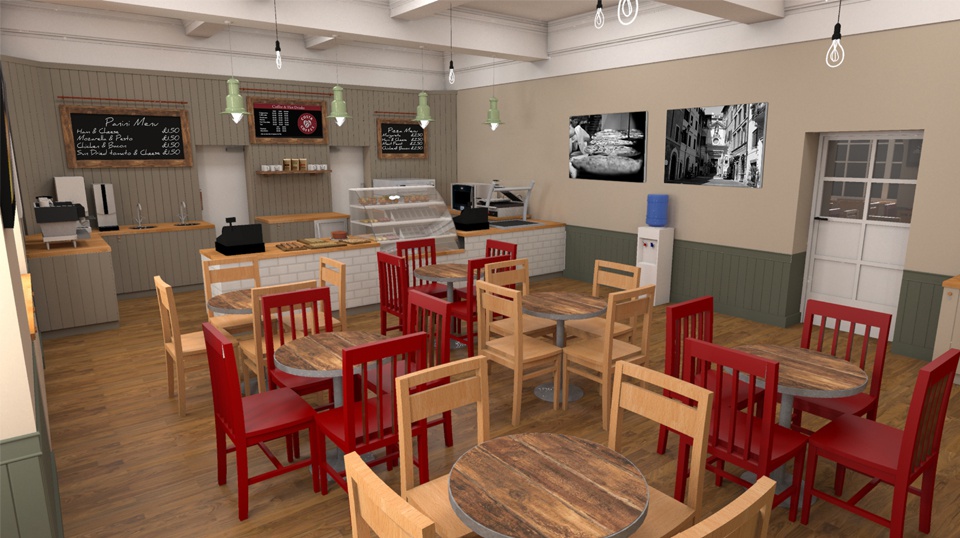
The food is provided in the general cafeteria with self-service. The campus has a school shop.
Survival in Bryanston School.
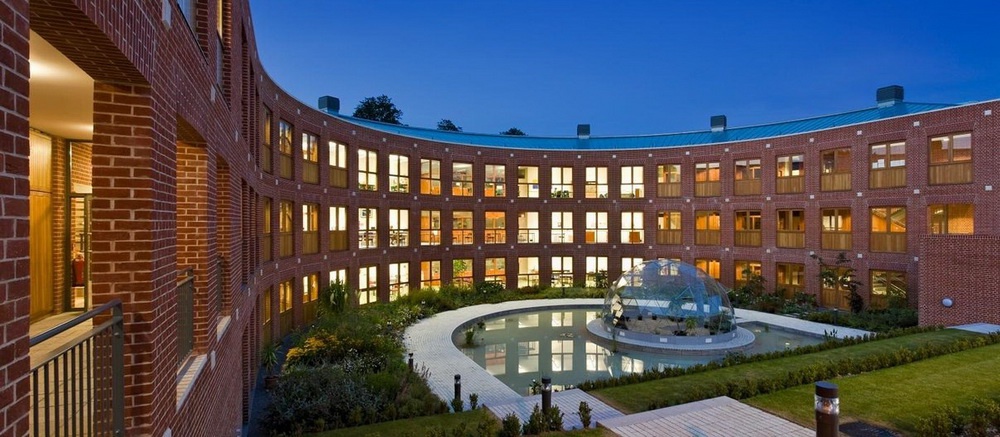
Students in the last year of schooling live in single rooms. Previously two-size. The others live in rooms on four.
Boys and
Girls live in separate dormitories, about 55 in each. In the dormitories, pupils are divided into age groups.There is a health centre with qualified health personnel.
Every dorm has kitchens where students can cook themselves.
Visits to nearby towns, at any age, are allowed on average twice a week.
Bryanston School
The Director monitors discipline. Penalties are imposed by the teaching staff; depending on the violation, this may be suspended or removed from school.