How to Plan a Holiday in Thailand
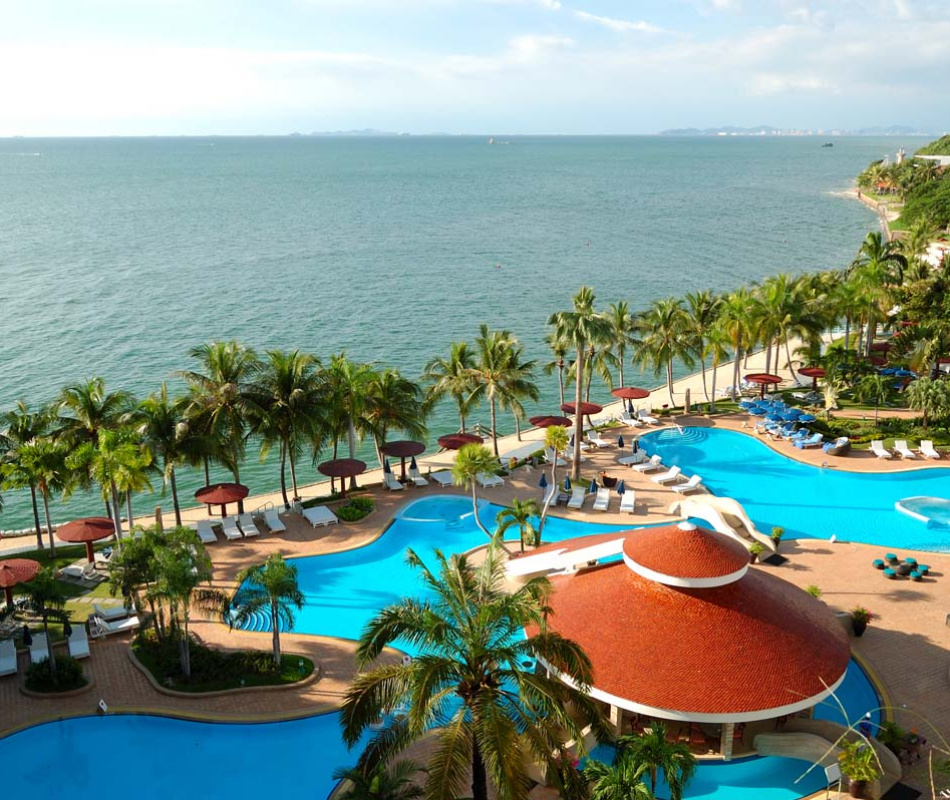
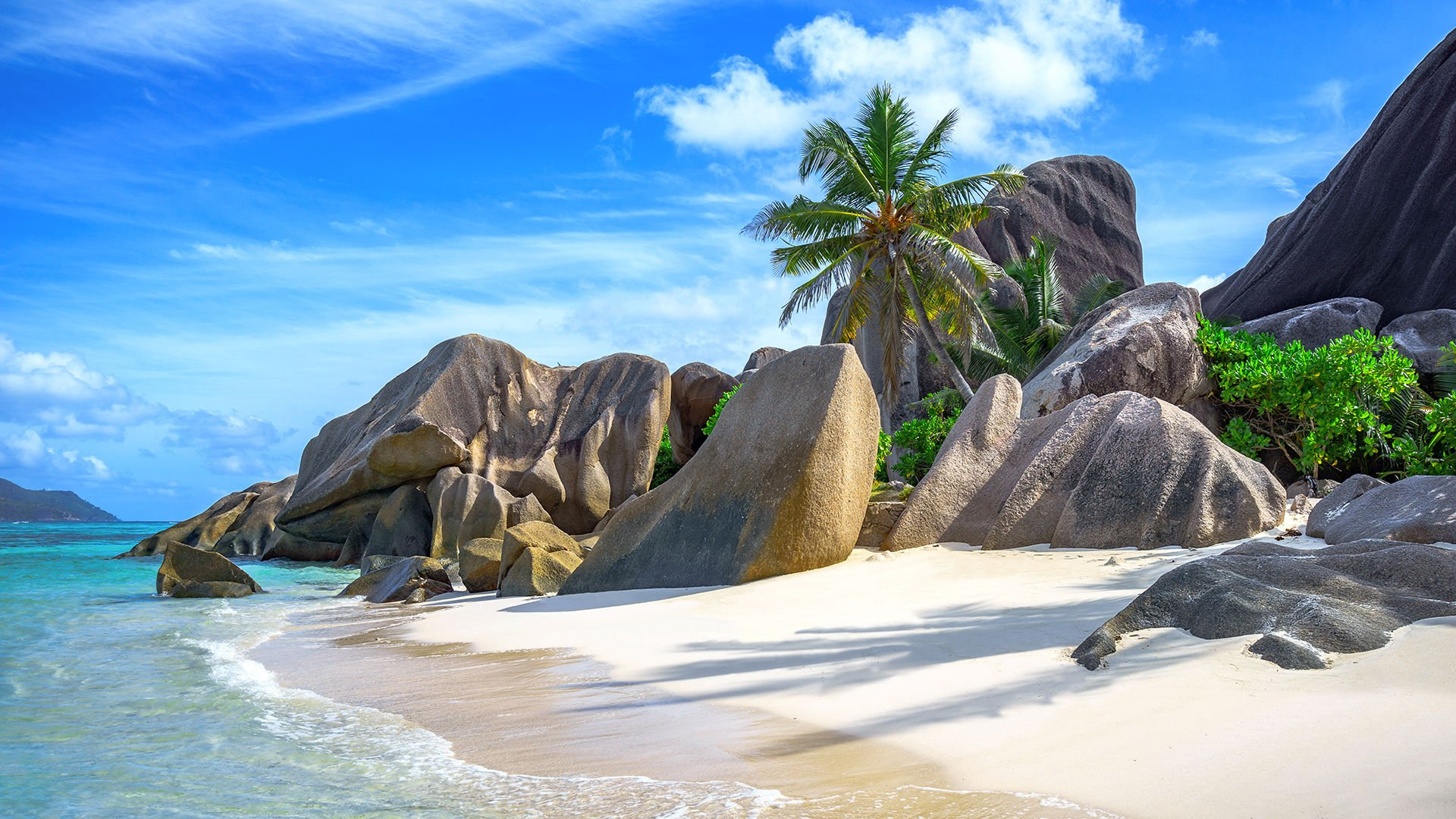
Thailand works equally well for a relaxed beach stay and a multi-centre journey combining the coast with culture, cuisine, nature or wellness. Its resorts are spread across the Andaman Sea, the Gulf of Thailand and the southeastern coast, so weather patterns, sea conditions and travel logistics vary by region.
A Beach Stay or a Multi-Centre Journey
For a shorter holiday, staying in one carefully selected resort usually creates a more relaxing experience and avoids unnecessary domestic flights and boat transfers. This format suits families, honeymooners and travellers looking for uninterrupted time by the sea.
A longer itinerary can combine a beach resort with the capital, cultural landmarks, a food-focused programme or the landscapes of northern Thailand. Island-hopping is most rewarding when the itinerary allows enough time in each destination rather than treating every island as a brief stop.
Matching the Coast to the Travel Season
The main beach season on the Andaman coast generally begins in November. Official Tourism Authority of Thailand materials identify November to April as a favourable period for several islands in this region, when rainfall is less frequent and sea conditions are often calmer.
The Gulf of Thailand follows a different weather pattern. During parts of the summer and early autumn, some Gulf islands may offer better conditions than the Andaman coast. There is therefore no single best month for every Thai beach destination: the travel dates should be matched to a specific island and coastline.
During the monsoon period, boat schedules, marine excursions and access to certain island national parks may be restricted. These factors should be checked before the hotel and route are confirmed.
Choosing the Right Resort and Hotel
The hotel category alone does not determine the quality of a beach holiday. Travellers should also consider the swimming conditions, tides, waves, distance from the airport or pier and the amount of infrastructure available outside the resort.
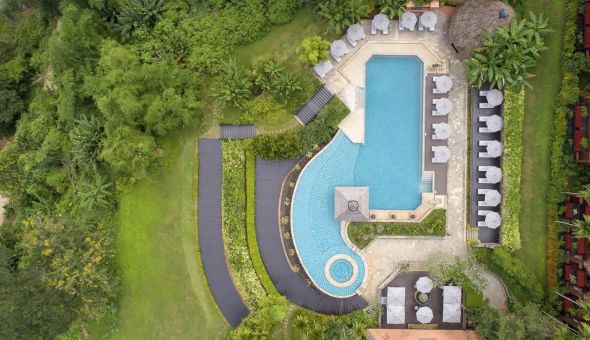
Families may prioritise sheltered water, flexible accommodation, children’s facilities and straightforward transfers. Couples may prefer a secluded villa, private pool, sea views and individually arranged boat experiences.
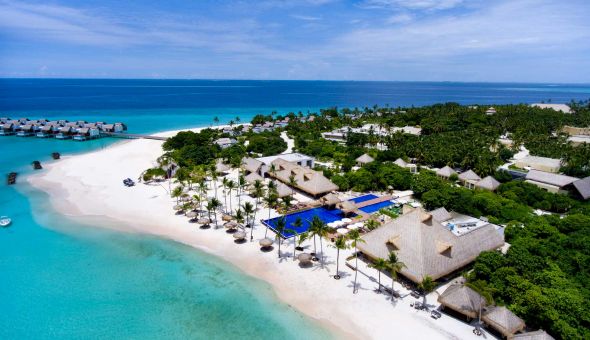
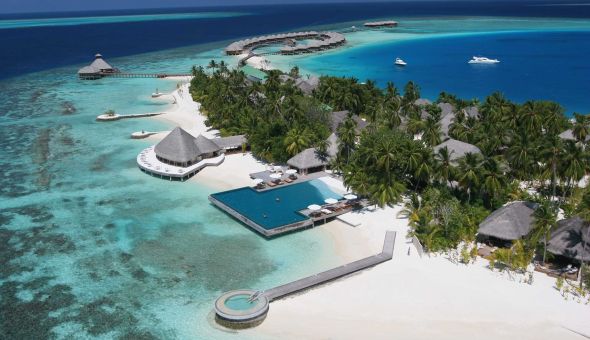
Remote island resorts offer greater privacy but often require more complex transfers. As the property becomes a central part of the journey, its restaurants, meal plan, wellness facilities and range of activities should be assessed carefully.
Experiences Beyond the Beach
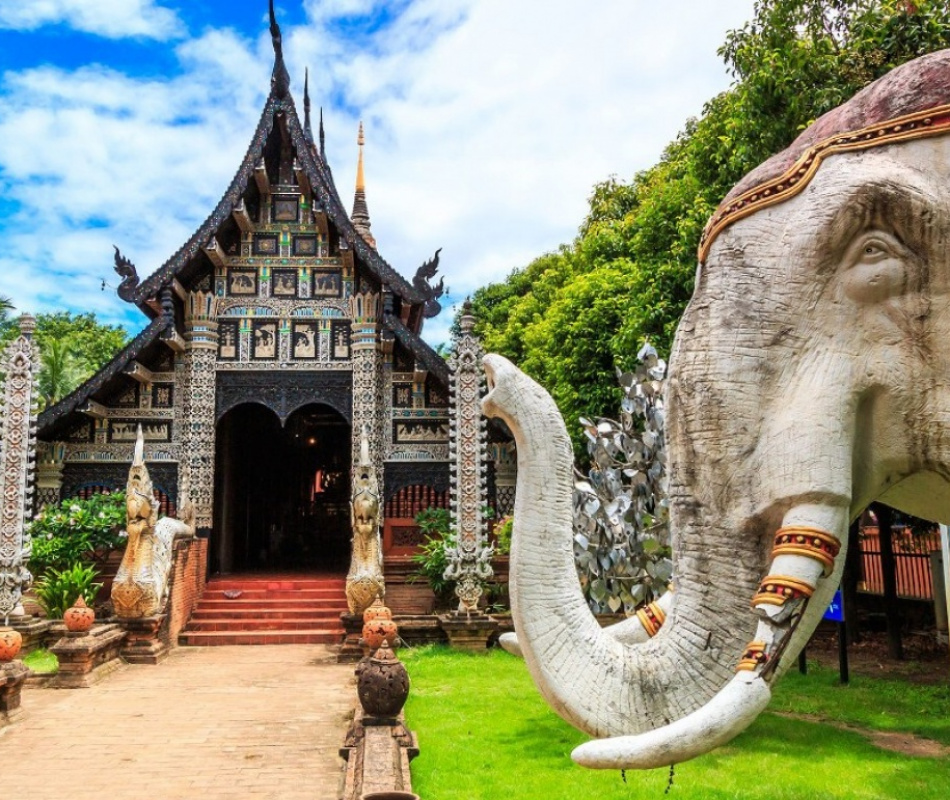
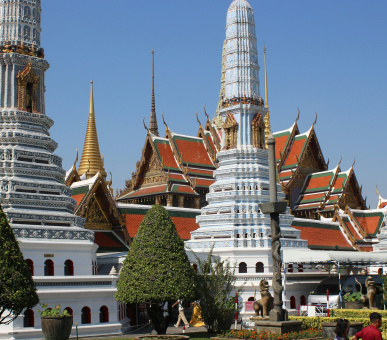
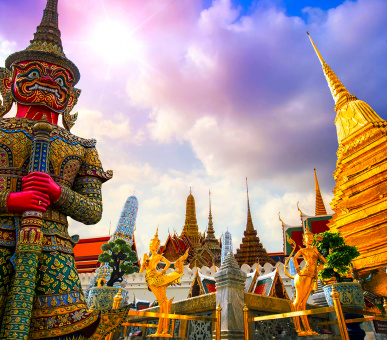
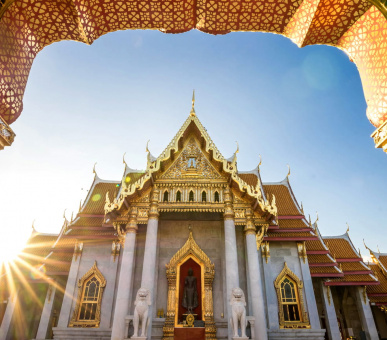
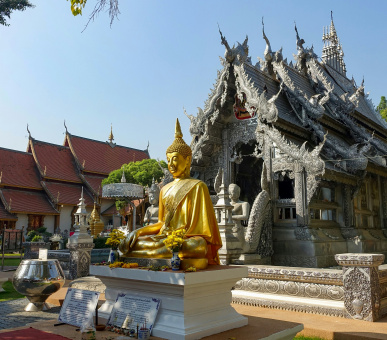
A Thailand itinerary can include Buddhist temples, cultural and historical sites, national parks, local cuisine, diving, snorkelling, yoga and wellness programmes. Some destinations focus on privacy and nature, while others provide a livelier setting with restaurants, activities and nightlife.
A tailored itinerary connects the right coastline, season, hotel and travel pace while coordinating domestic flights and transfers without making the route unnecessarily complicated.