Bespoke Travel in Spain
Spain offers cultural itineraries, Mediterranean escapes, culinary journeys and visits to celebrated wine regions. A well-paced trip usually combines two destinations, such as Madrid and Andalusia, Barcelona and Mallorca, or the Basque Country and Rioja. High-speed trains connect the principal cities, while a car with a driver is more convenient for coastal and rural routes.
Madrid and Barcelona
In Madrid, an itinerary can include the Prado Museum, the Royal Palace, galleries and contemporary Spanish dining. The city centre also offers a choice of distinguished palace hotels.
Barcelona combines Gaudí’s architecture, museums, restaurants and the Mediterranean coast. Timed tickets for the Sagrada Família, Park Güell and other popular landmarks should be arranged in advance. The journey can continue to the Costa Brava or Mallorca.
The Balearic Islands and Coast
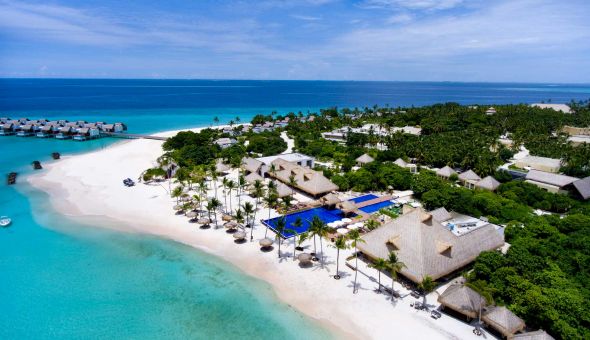
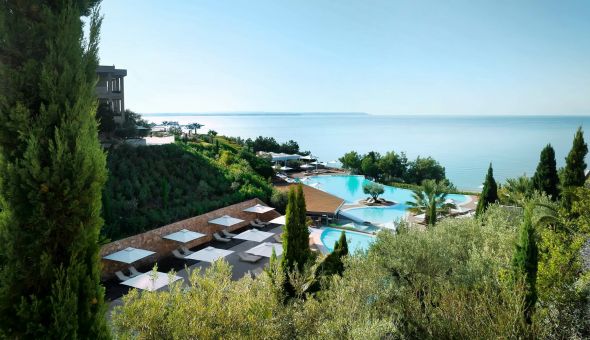
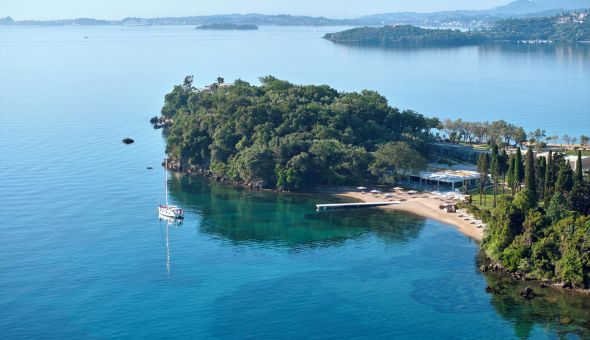
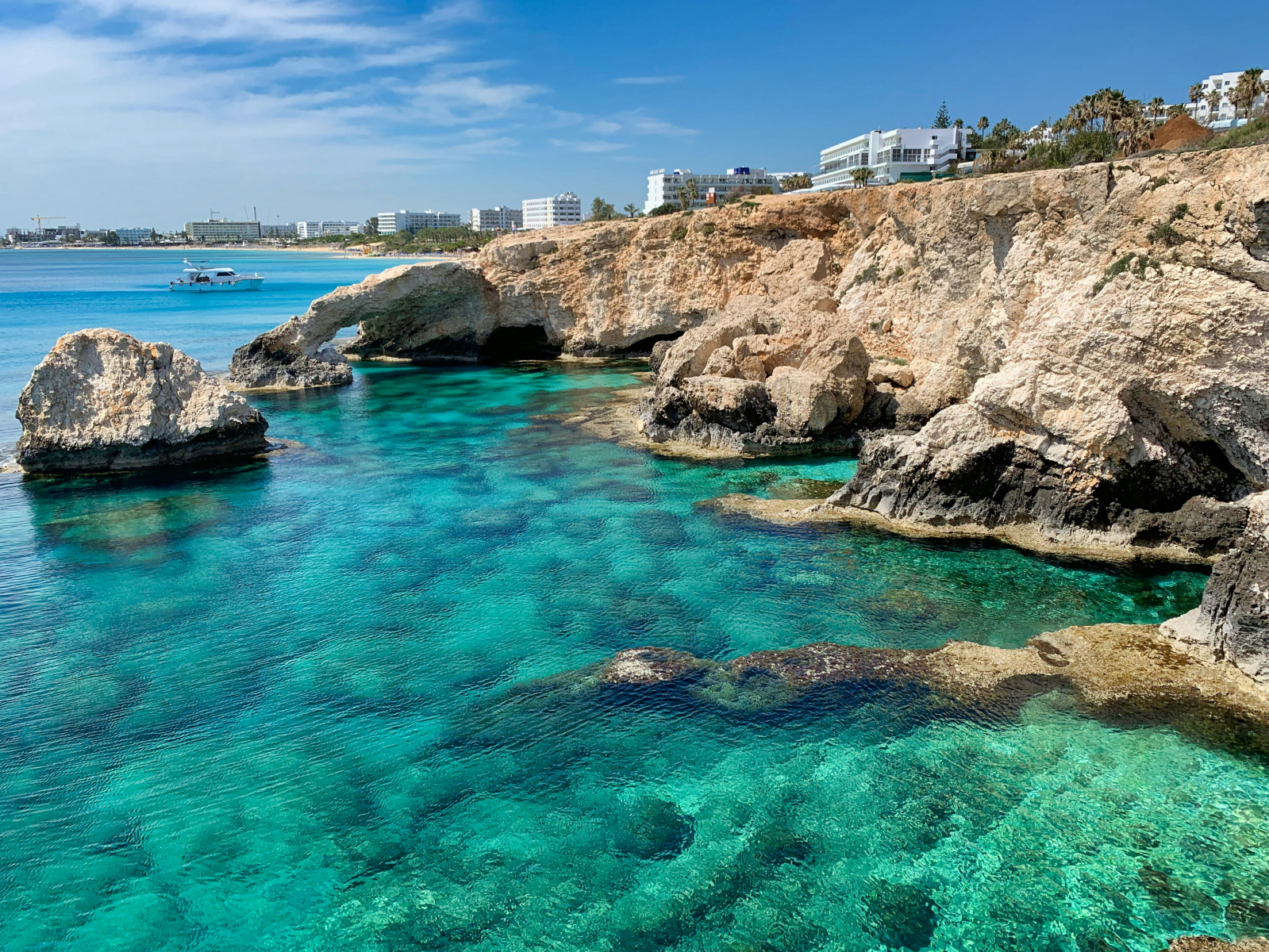
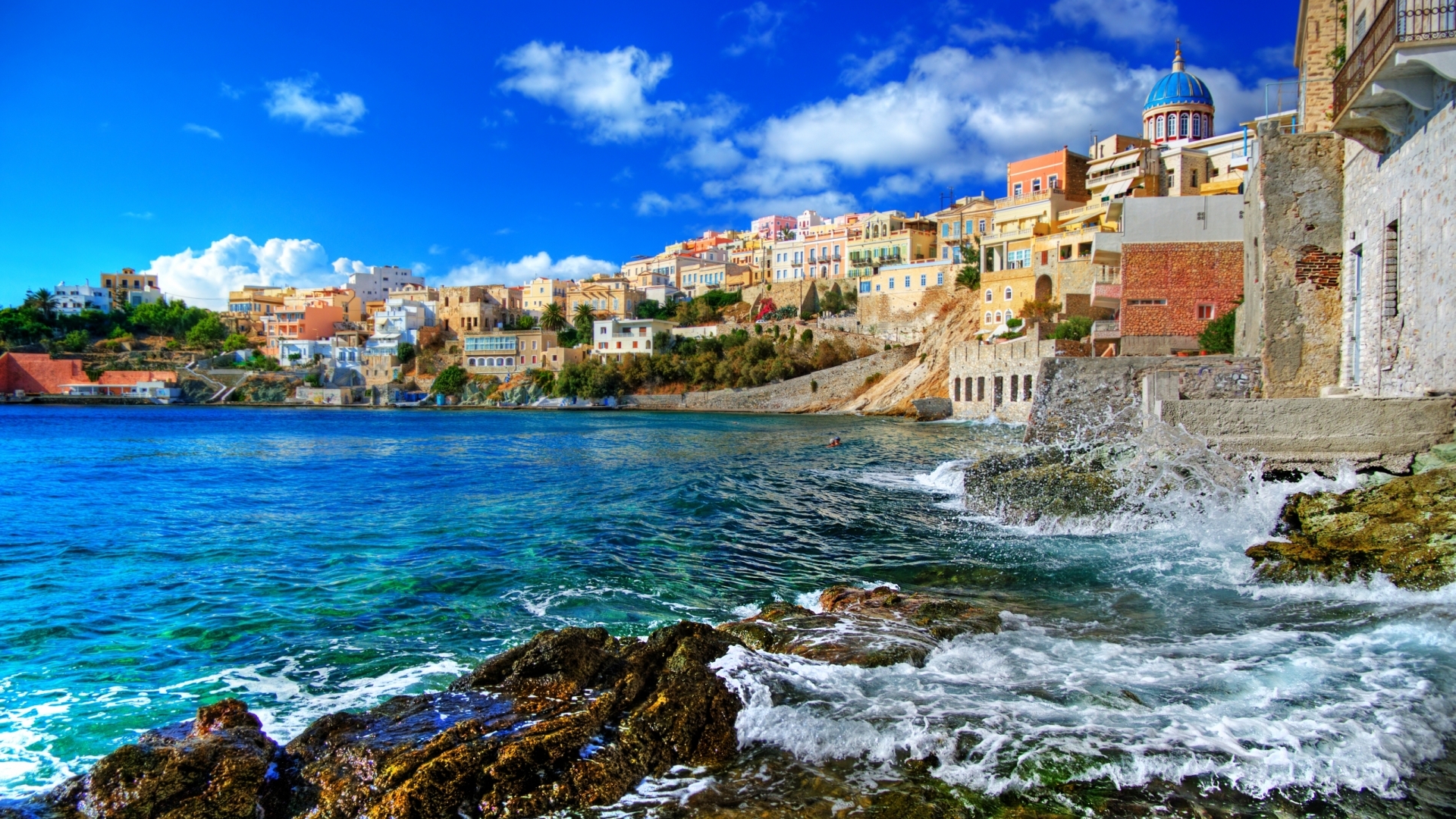
Mallorca offers five-star hotels, villas, mountain scenery and yacht journeys. Ibiza combines beach clubs and restaurants with quieter areas in the north of the island. On the mainland, Marbella, the Costa Brava and the Costa Blanca provide different styles of coastal travel, from resort stays to smaller bays and seaside towns.
Andalusia: Palaces and Historic Cities
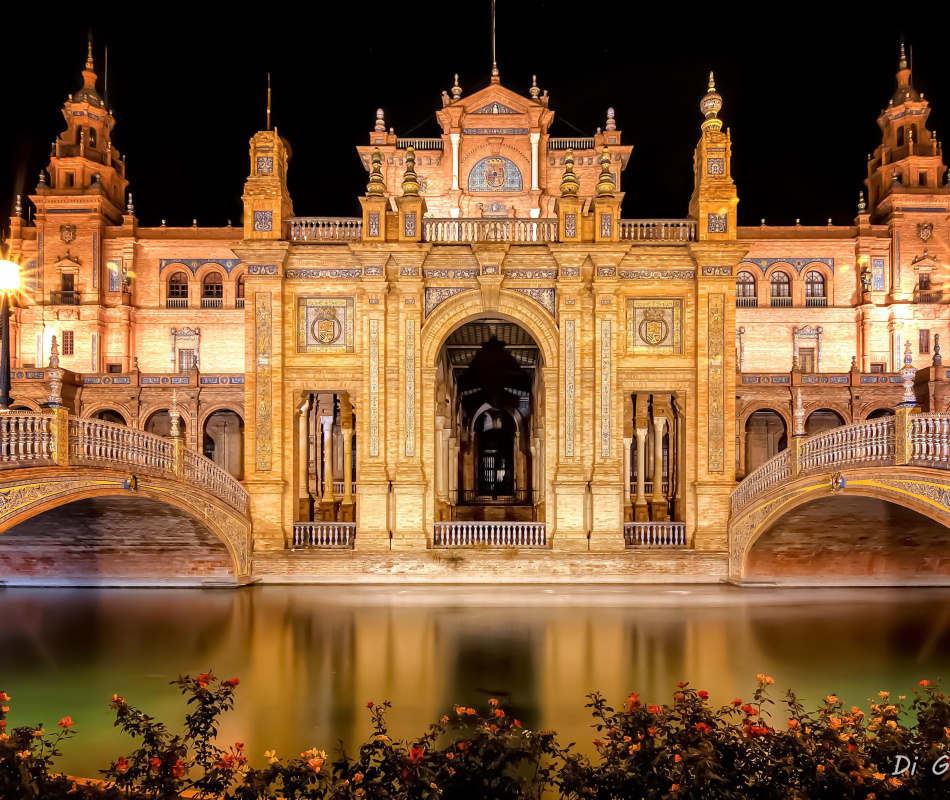
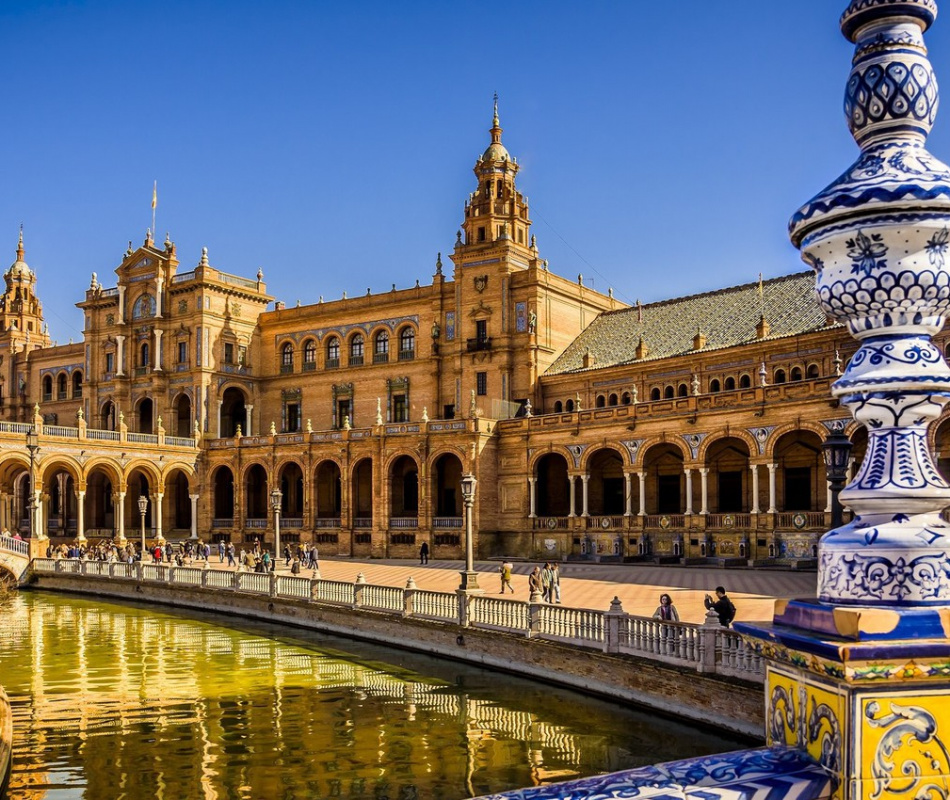
Seville, Córdoba and Granada are known for palaces, gardens and Moorish architecture. Tickets for the Alhambra should be booked well in advance. An Andalusian itinerary can also include a historic hotel, horse riding or time on the Costa del Sol.
The Basque Country and Wine Regions
San Sebastián is celebrated for fine dining, while Bilbao is known for contemporary architecture and the Guggenheim Museum. The region pairs naturally with visits to Rioja wineries. Reservations for renowned restaurants and winery experiences should be made in advance.
When to Visit Spain
Spring and autumn are well suited to city and culinary journeys. The Mediterranean season generally runs from June to September, with July and August attracting the highest demand. The Canary Islands offer a mild climate for travel during the winter months.