We are looking for the best deals
This will take some time
en
ru
Contacts
Book
Search on site
Greece

Opened with restrictions

Holidays in Greece

Opened with restrictions

Tour selection request
Leave your contacts and we will contact you
Name *
Email *
Сomment
Hotels
All offers
Excursions
All offers

Tours in Greece

Our advantages

Planning a Holiday in Greece

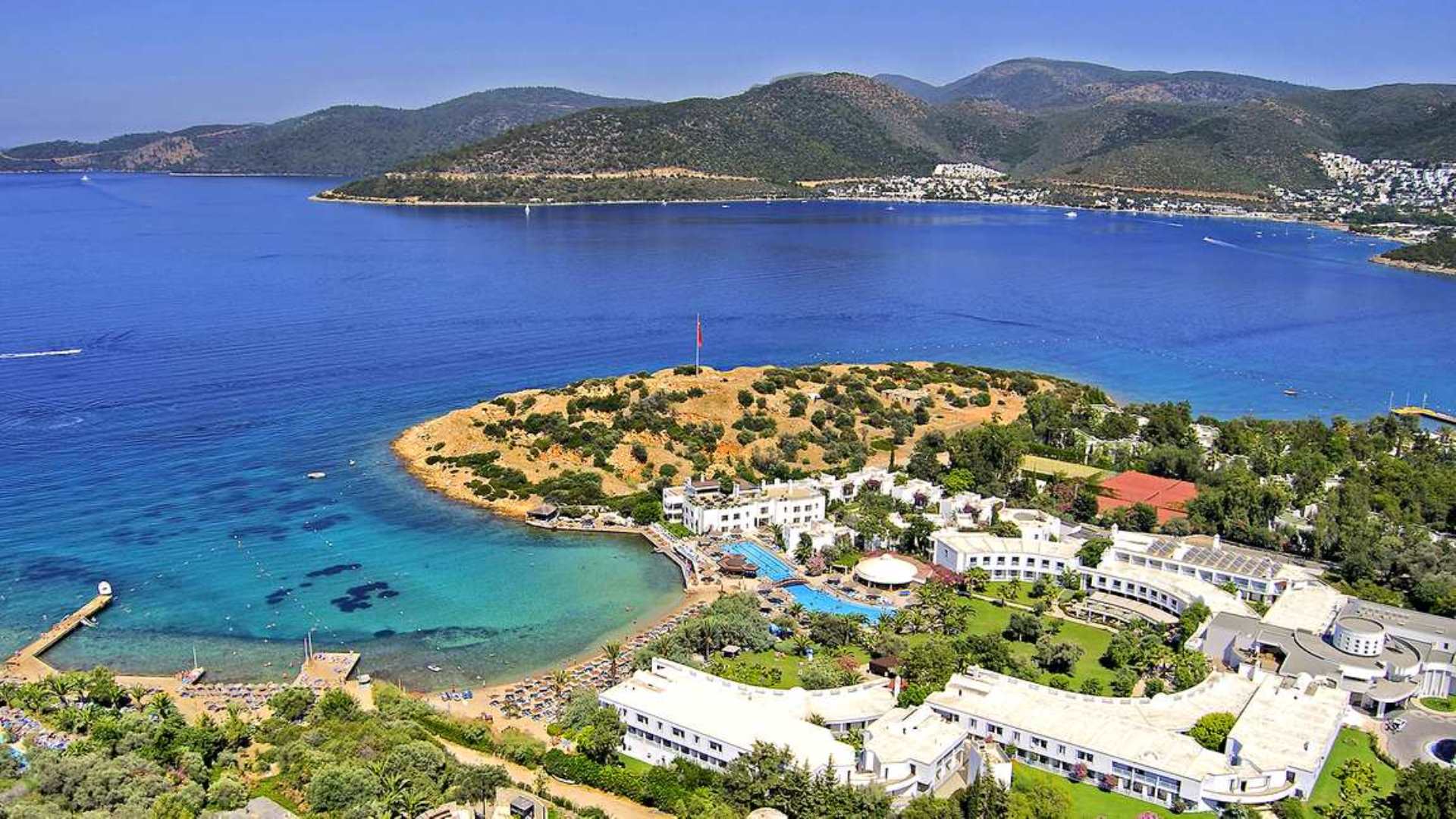
Greece combines island resorts, mainland coastlines, historic cities, natural landscapes and sailing routes. Each region differs in beach style, atmosphere and access, so the journey should begin with the preferred type of experience rather than with a hotel name alone. Greece includes around 6,000 islands and islets, of which 227 are inhabited.

When to Travel

The principal beach season runs from late spring to early autumn. July and August bring the liveliest resort atmosphere but also greater demand and higher temperatures.

Late May, June, September and early October are better suited to travellers seeking warm weather with fewer peak-season crowds. Greece’s official tourism organisation also recommends spring and early autumn for visitors wishing to avoid the hottest and busiest summer period.

Spring and autumn work particularly well for mainland touring, culture, food and walking routes. Winter island journeys require careful checks because some hotels, restaurants and ferry services operate on reduced schedules.

Islands or Mainland

An island stay suits travellers focused on the sea, smaller towns, local dining and boat journeys. Greek islands range from cosmopolitan destinations with nightlife to quieter places centred on nature, water sports or relaxed coastal living.

The mainland can be more practical for family resorts, road trips and journeys combining the coast with archaeological sites, mountains or cities. It may also reduce reliance on ferries.

Choosing an Island

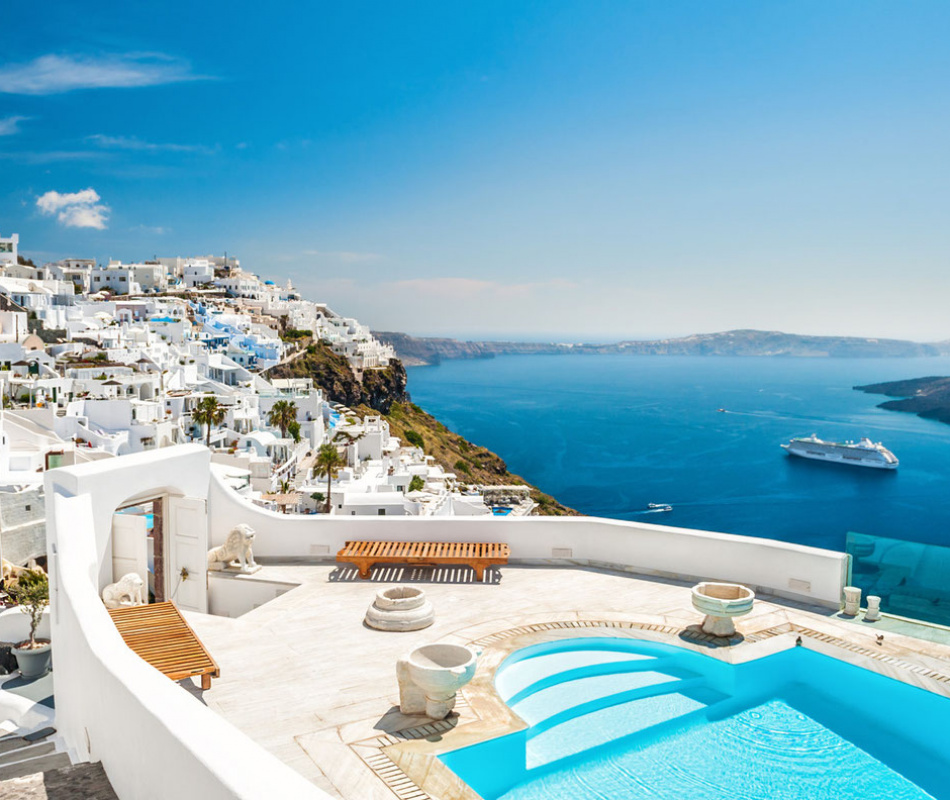
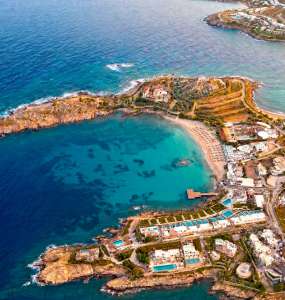
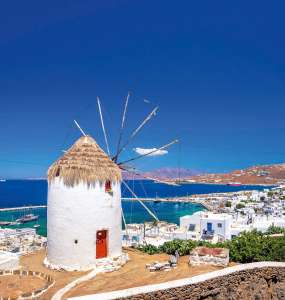
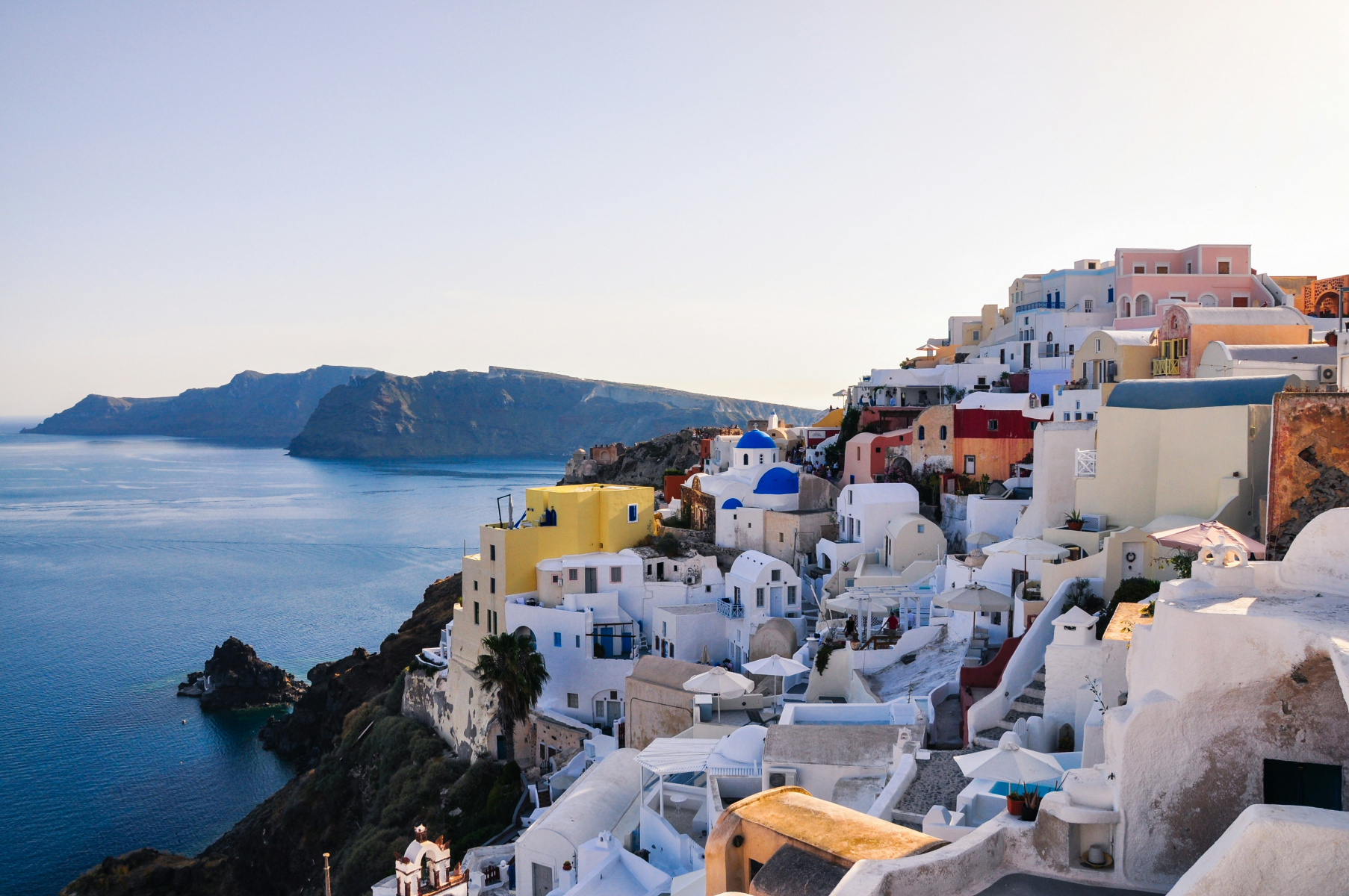
The Cyclades suit travellers interested in distinctive architecture, dry Aegean landscapes, restaurants and an active summer atmosphere. Individual islands within the group still vary considerably in pace and privacy.

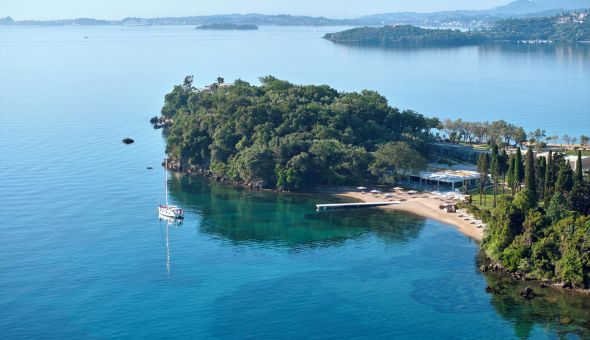
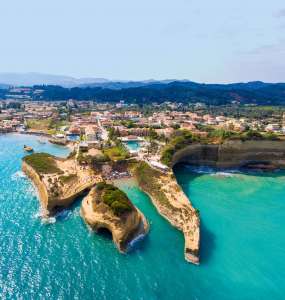
The Ionian Islands are generally greener and work particularly well for sheltered bays and sailing. Crete is large enough to require its own regional itinerary; selecting one coast does not provide convenient access to the entire island.

The final choice should reflect the beach, transfer time, hotel style and preferred pace rather than the destination’s popularity alone.

One Island or Island Hopping

A shorter holiday is normally more comfortable on one island. A journey of ten days or longer may combine two neighbouring islands with a practical direct connection.

Greek islands are connected with the mainland, and regular inter-island ferry services support a wide range of island-hopping routes. Summer schedules are generally more extensive, but ports, journey times and connections should be confirmed before hotels are booked.

A private yacht offers an alternative for reaching smaller islands, sheltered coves and beaches without changing hotels according to a fixed ferry timetable.

Selecting a Hotel

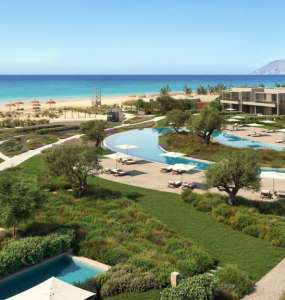
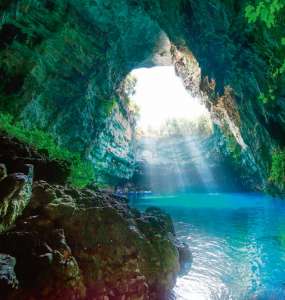
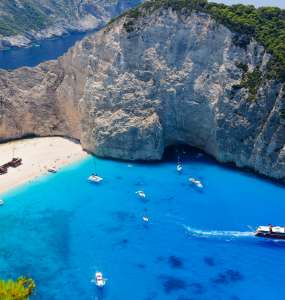
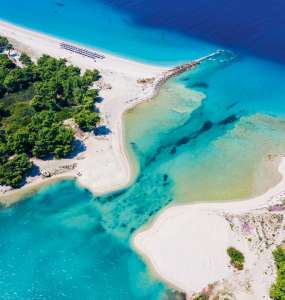
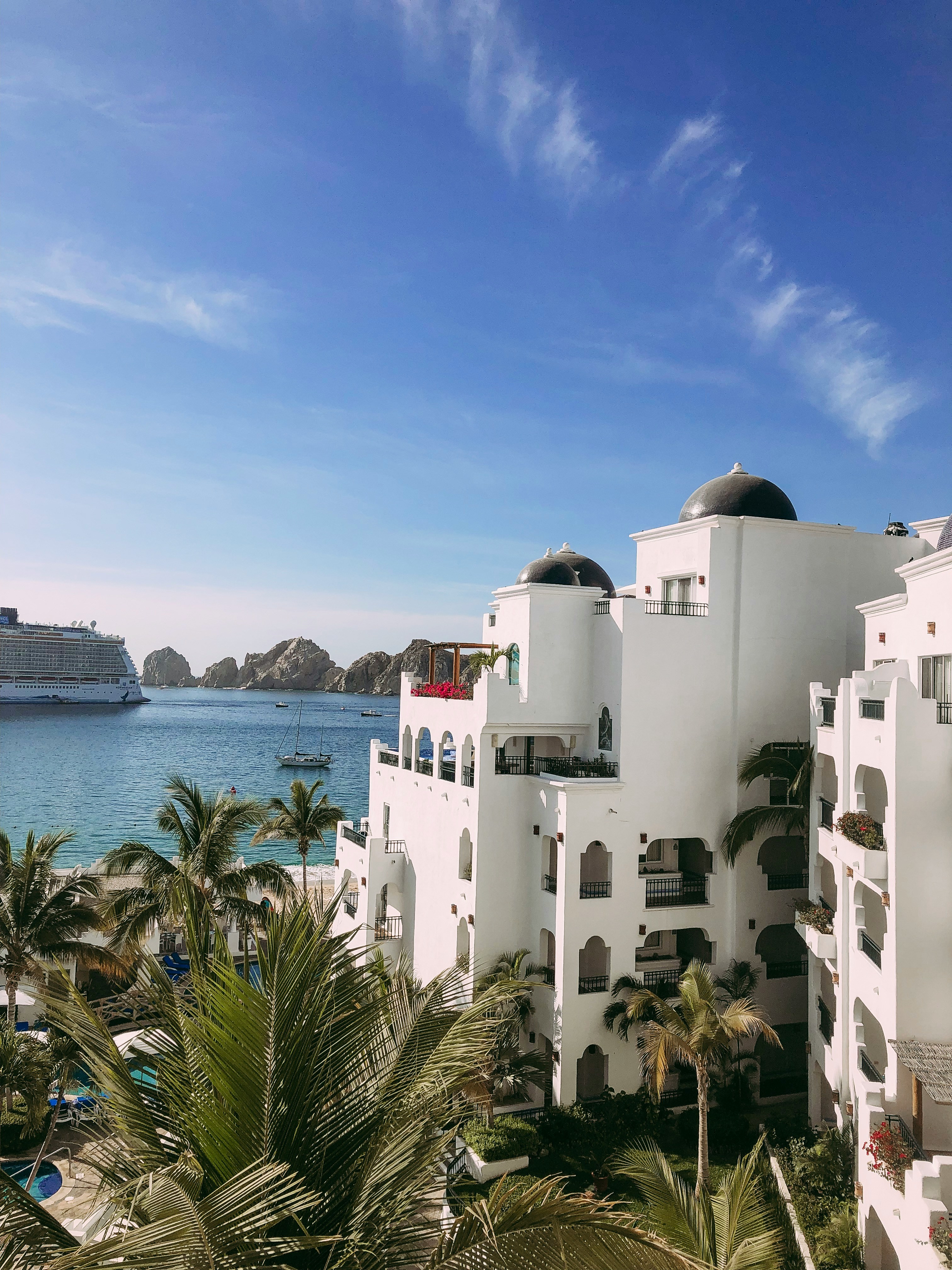
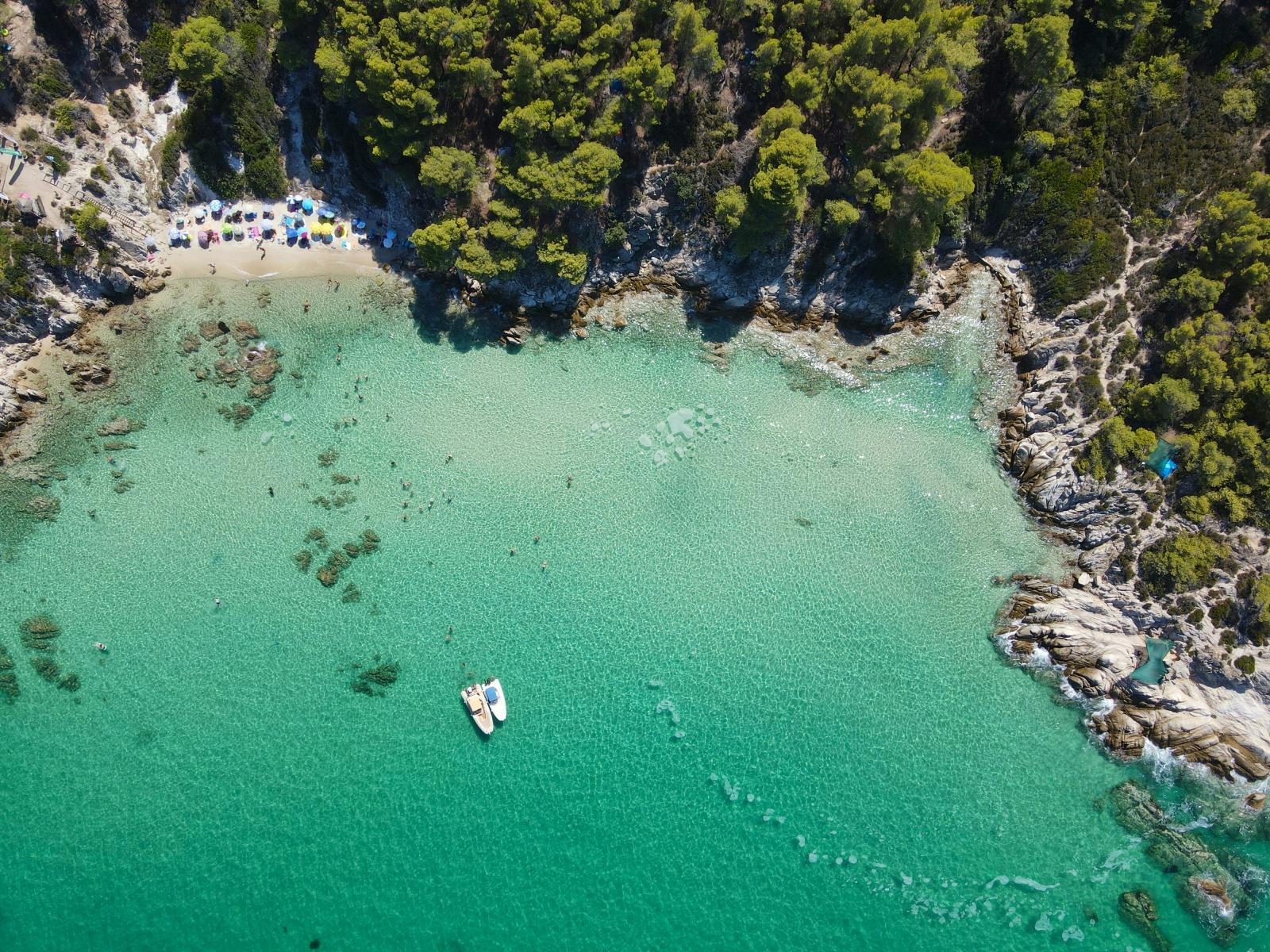
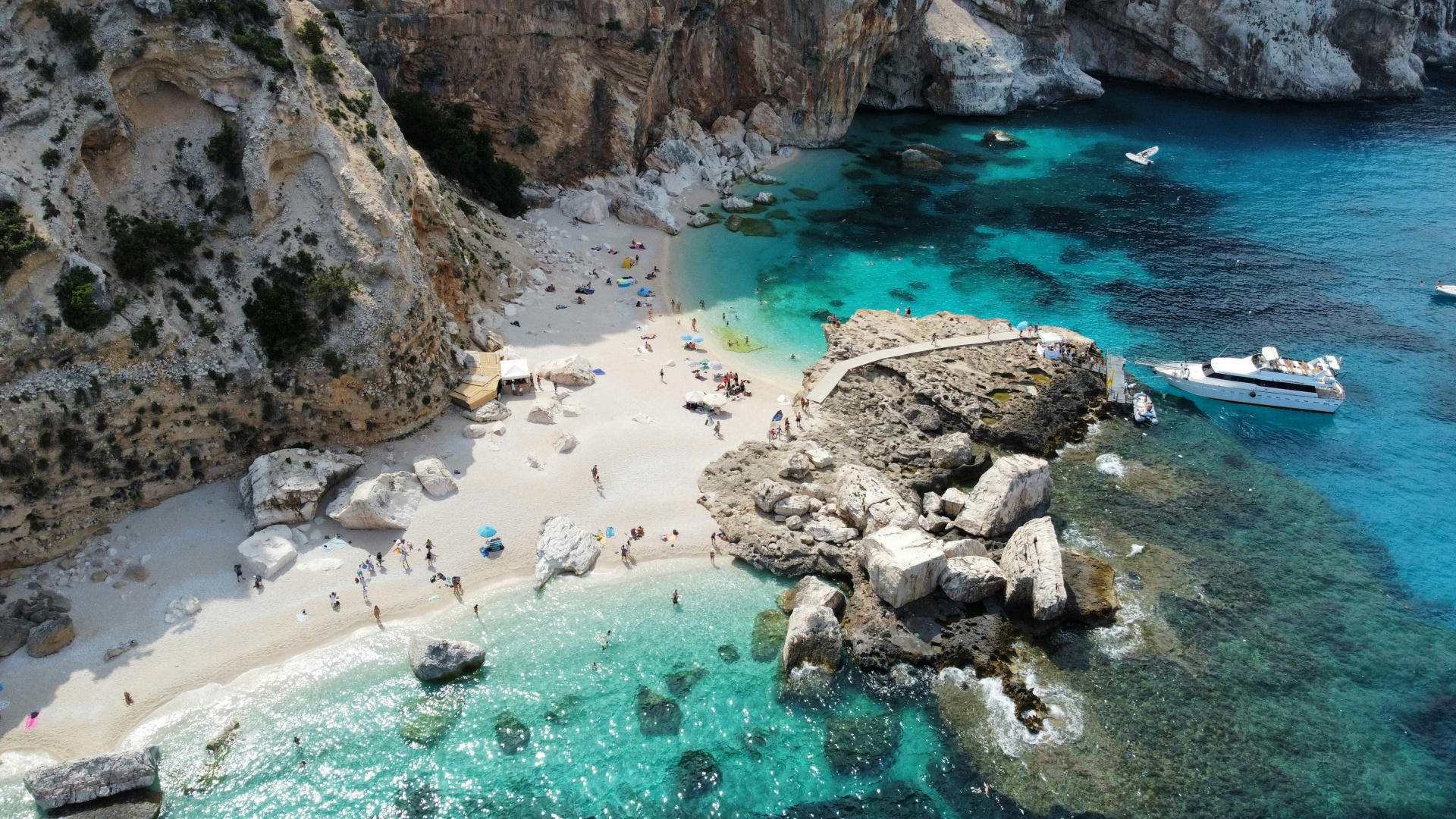
A beachfront label does not explain the actual swimming conditions. The beach surface, water entry, waves, shade, dining options and distance between the room and the sea should all be assessed. Greece’s coastline includes long sandy beaches, sheltered coves, pebbled shores, dunes, sea caves and volcanic dark-sand areas.

Families may prioritise calm water, spacious accommodation, children’s facilities and straightforward transfers. Couples may prefer a smaller property, greater privacy and privately arranged boat experiences.

A tailored itinerary coordinates the season, island, hotel, ferries and private transfers while keeping the journey relaxed.

/ / Greece