Oundle School
Hotel description
- Address: Oundle School, Oundle, Peterborough PE8 4GH
- Director: Charles M. P. Bush (Charles M P Bush), has served as Director of the school since 2005. Received education in Melbourne Grammar School and Oxford University. Previously held the post of Director of Eastborn College (Eastbourne College), head of mathematics department in Malborough and Abingdon (Abingdon), teaching in Aylesbery (Aylesbery Grammar School).
- Year of reason: 1556
- School status: Mixed training. 11-18 years of age. Day-to-day training/domaining from 11 years (no week board).
- Beauty: English Church, regular visit to church. Religion does not affect school enrolment.
- Ownership: School Directors Conference (HMC)
- Number of pupils: 1,071 pupils, of whom 229 are full-time students (124 boys, 105 girls), 842 live in school residence (514 boys, 328 girls), in the last year of study (Upper sixth): 187 pupils.
Oundle School location
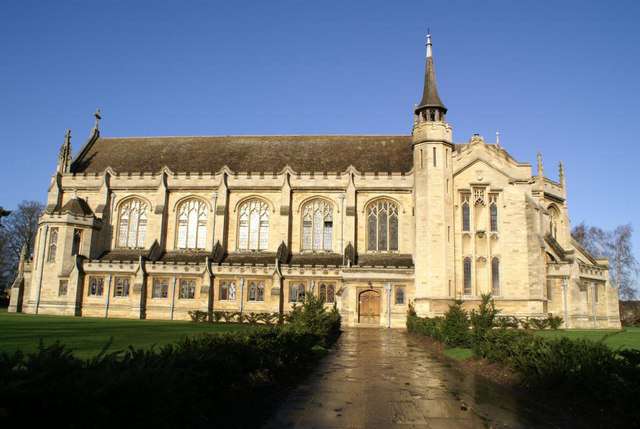
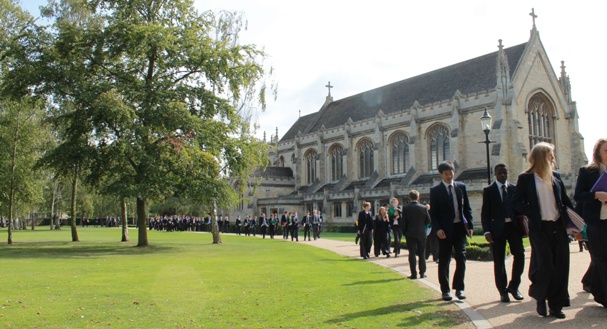
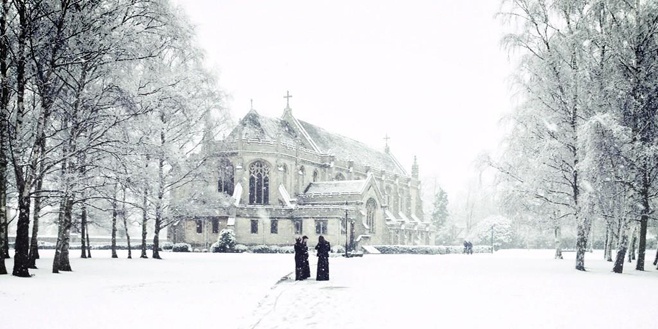
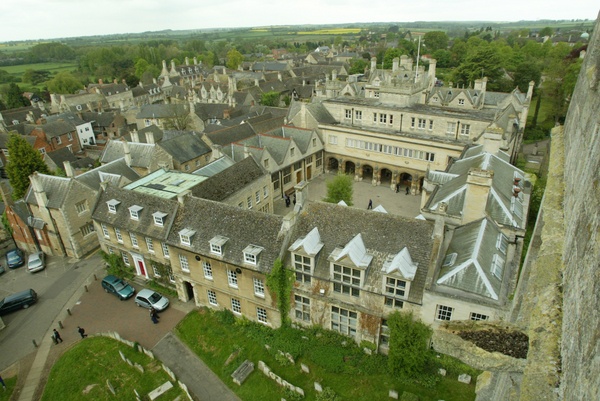
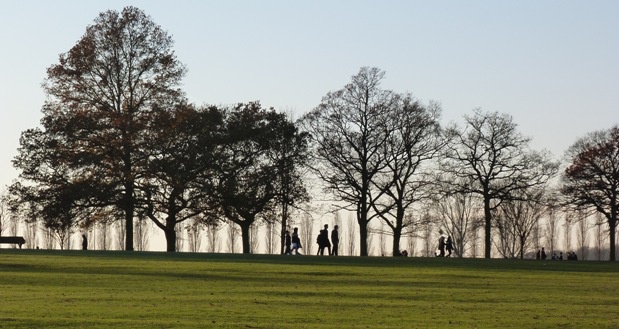
Aundle School It is located in Northamptonshayer County (Northamptonshire), in a single-name town, small and very cozy. There's a town of Peterboro. Oundle school. The school was conceived as an institution providing liberal education based on the principles of the English Church. Since the foundation, it has been a boys school, but since 1990, girls have been allowed to attend school.
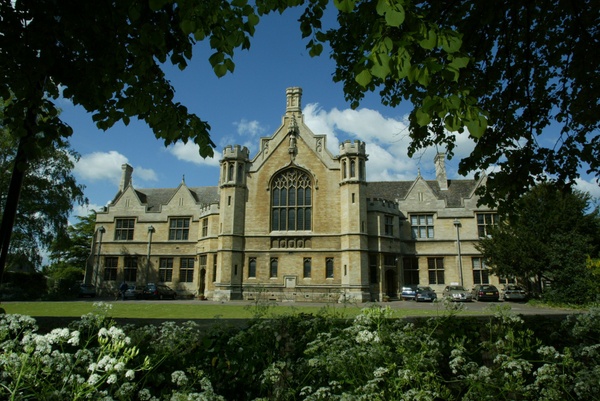
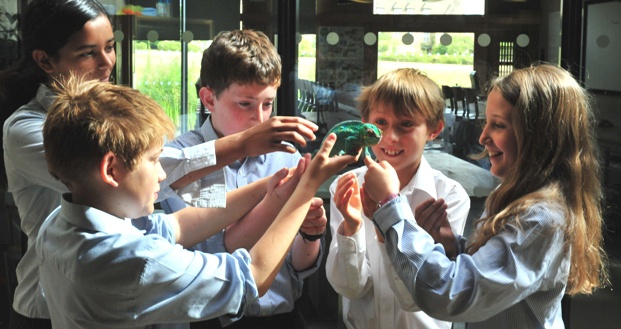
School buildings were built from 17 to 21 years. They are dispersed throughout the city, and thus the school ' s territory is most of it. Special attention is paid to the teaching of technology: students develop their own maps and cars in the new technical centre. Aundle is the only school participating in the annual conference of the American Association for Science Development (American Association for the Advancement of Science).
Training in Oundle School
The basic age of admission is 11, 13 and a small number of students are 16 years old.
Entrance examinations are required for school enrolment. Six GCSE examinations (including English, mathematics, sciences and modern language), at least 3 evaluation examinations, are required for advanced levels
A and 3 examinations for B evaluations. Similarly, estimates A for items selected for A-level should be obtained.Training plan: Includes secondary education examinations (GCSE), international GCSE (IGCSE), advanced level (A-level) and university training (Pre-U). For A-level selection of 25 subjects, 4 subjects for Pre-U, including General Studies (the study of the most important aspects of today ' s world: for example, politics, languages, art, science, mathematics), where no examination is required. 28 per cent of students are awarded A-level sciences, 23 per cent arts and humanitarian sciences, 44 per cent and both.
Professional area: There's a possibility of working. A-level students can gain experience in Germany and France.
Special conditions: additional English classes. Professionals work with students with dyslexia.
Languages: French (from 11 years), German (from 12 years), Spanish (from 13 years) can be studied for surrender to GCSE and A-level. You can turn the GCSE into Mandarin Chinese. The Arabic, Russian and Italian languages are also available as additional classes. 70 per cent of pupils give the GCSE more than one language, 65 per cent A-level. The school organizes regular student exchanges with France, Spain, Czech Republic and China.
Information and communication technologies (ICT): Published as a separate subject and as included in the programme for other subjects. There are 500 computers at school that students can use every day. All computers are connected to the local network, access to e-mail and Internet. Many students use their own laptops.
Results of the GCSE examinations: 96 per cent received at least an estimate of C for more than 8 subjects, 4 per cent for 5-7 subjects.
A-level 40 per cent surrendered more than 4 items, 60 per cent to 3 subjects, average final score 411.
After graduation, 98 per cent of graduates go to higher education (55% a year). Of these, 16 per cent go to Oxford and Cambridge universities, select courses in medicine, dental science, veterinary science, engineering, law, humanitarian and social sciences, economics, business studies, design or other disciplines, such as media, management, agriculture.
The others choose art or music courses, management training, advertising or their own business.Arts in Oundle School
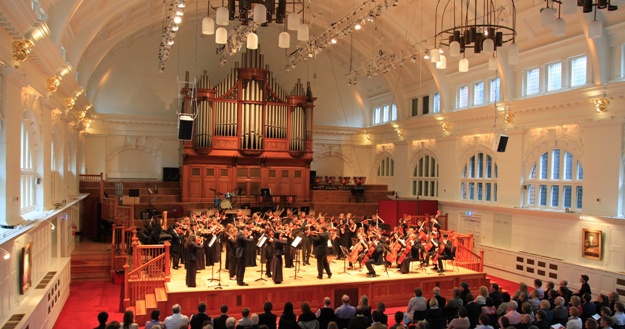
Music: More than 60 per cent of students play a musical instrument and pass an instrumental examination. There are 25 musical groups in the school, including choirs, orchestras, spiritual and structural ensembles. Some students play at the National Youth Orchestra, the National Youth Orchestra, the National Youth Chamber Orchestra, the fellows of the Universities of Oxford and Cambridge, and participate in concerts at the Saint Paula, the Canterbury Caucus. The school organizes visits to France, Spain, Hong Kong, Malaysia.
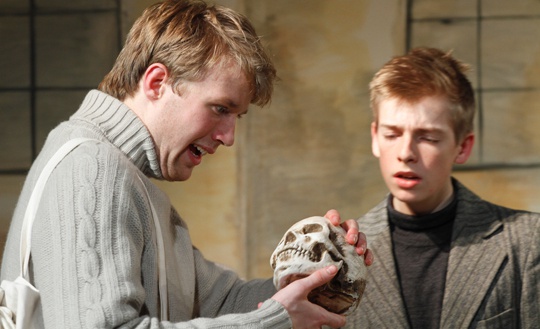
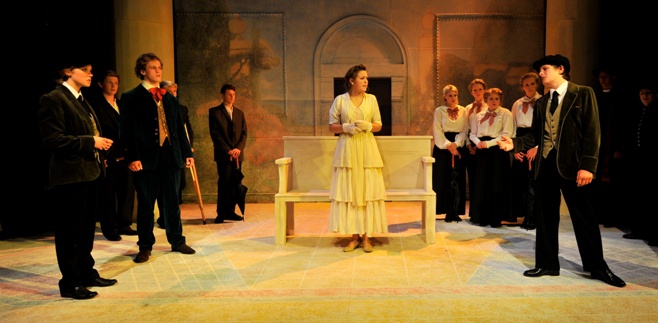
Drama and dance: You can turn to GCSE and A-level. Many students participate in drama.
Arts and design: On average, 60 pupils are given GCSE, 25 A-level. 60 students give up GCSE on technology, 25 give A-level art. It is also possible to study race, textile, photo, print, sculpture. At Aundle's school, there's a gallery of art, a theatre where not only school students but actors from other theatres, but also professional performances.
Sport in Oundle School
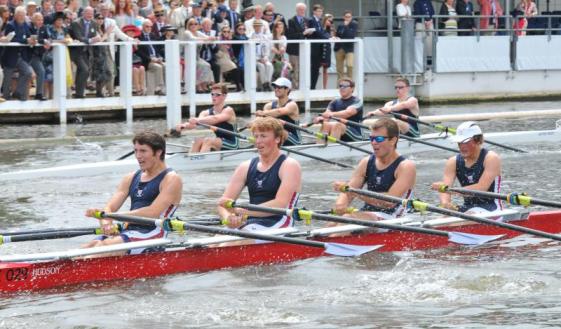
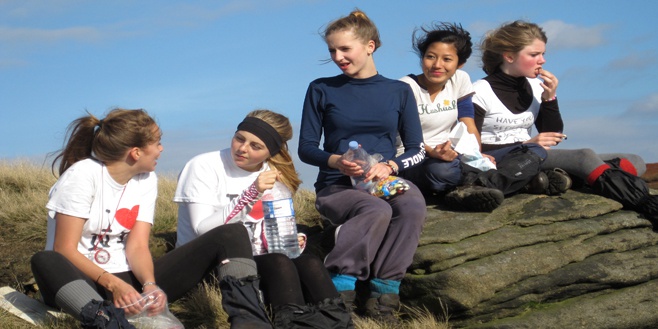
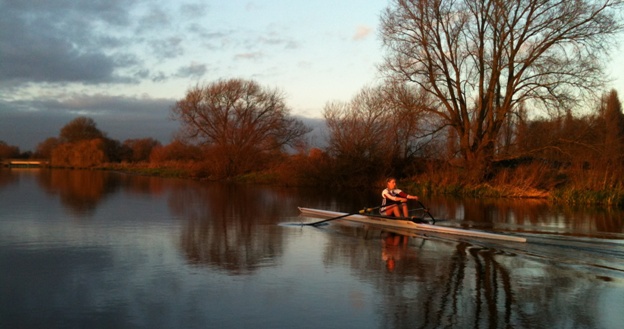
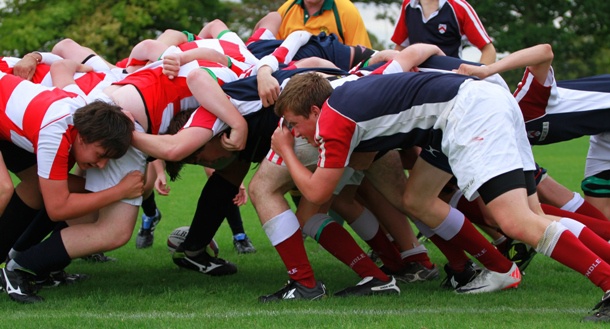
For many years, the school celebrates its high sporting results, especially in rugby, cricket and female hockey. Students are in favour of Aundle at different levels in more than 20 sports, from sea to non-ball. The greatest emphasis is on ragby, hockey, cricket, burial, football. In addition to sports, schoolchildren participate in the Duke of Edinburgh prize (community, sports, expedition) and in military sports training (CCF).
There are 46 clubs in the school: Astronomy, chess, croquet, jurisprudence, politics, science, military games, writing, debate club, school and local newspapers and radio stations.
School life in Oundle School
School form: Mandatory all the time. Prefects and the Chief are appointed by the Director. There are different competitions between dormitories.
Social field: Divingu, Geography, Historical Visits: Berlin, Prague, Budapest, China, Moscow. Students can have their bike at school.
There's a school store in the school.Survival in Oundle School
Boys and girls live in separate dormitories, approximately 60. Eight dormitories for boys and five for girls. Young schoolchildren live in one house (approximately 40). The beds are in every dorm. There's a restriction on the time off. A week's board is not allowed.
Discipline in Oundle School
Students who have not completed their homework once will have to do so. For smoking marijuana in the school.