"IF YOU ARE AN ARTIST AT HEART..."
For generations, creative minds have found inspiration in travel. Let's visit the places visited by the French painter, engraver, and sculptor, the genius of vibrant colors, Henri Matisse: admire their natural beauty and historical legacy.
BELLE-ÎLE, Brittany
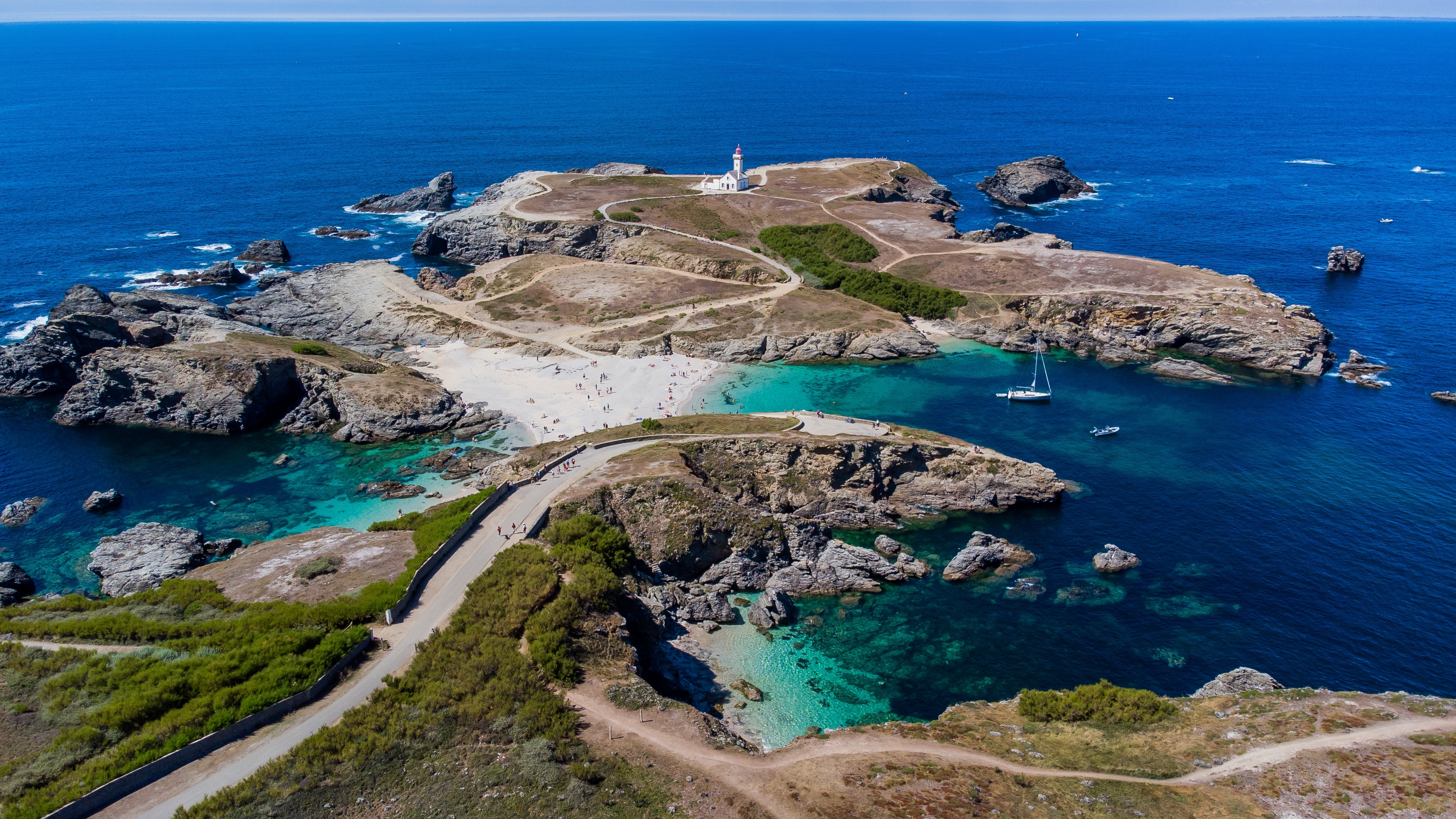
Belle-Île in the Bay of Biscay is Brittany's largest island. It was here that Matisse discovered the theory of light and color, began studying the works of Monet, Vincent van Gogh, and Cézanne, and began painting in the Impressionist style. A trip to Brittany has always evoked a spirit of adventure. Here, the legends of King Arthur, Parsifal and Lancelot, Tristan and Isolde, the wizard Merlin, and the stories of the Druids come to life. These Celtic priests worshiped nature. Their rituals were associated with numerous menhirs and dolmens—megalithic structures that appeared long before the arrival of the Celts. It is in Brittany, near Carnac, that the world's largest concentration of megaliths is located—more than three thousand stone blocks erected 7,000 years ago—some of the oldest in Europe. Who erected them and why remains a mystery. Last year, the Carnac stones were added to the UNESCO World Heritage List.
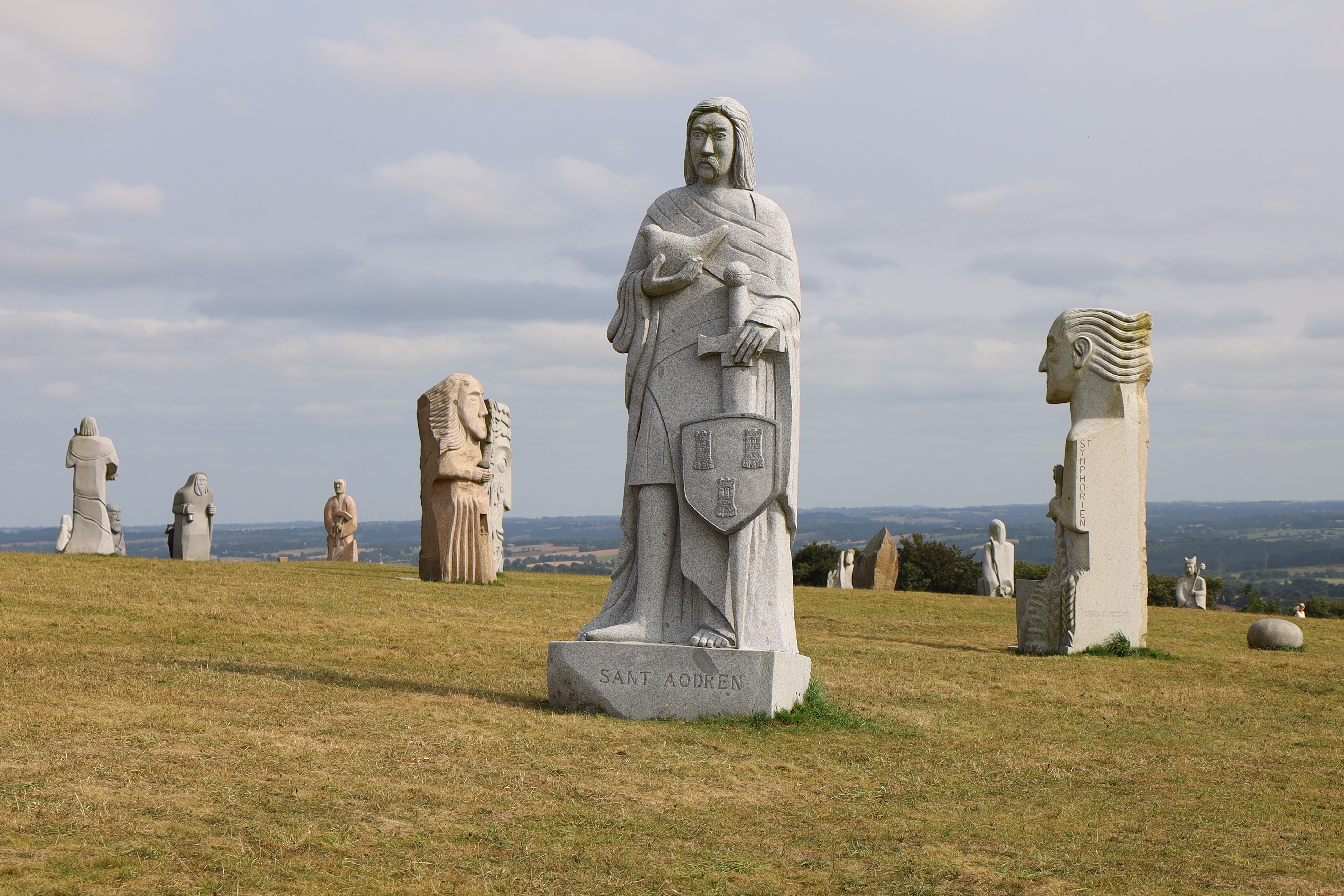
The Celts arrived in Brittany as early as the 8th century BC. They established salt mines, were the first to learn how to mine iron and steel, bringing an end to the Bronze Age, panned for gold in the Alpine rivers, created exquisite jewelry and the finest swords and helmets, chain mail and horse harnesses of the time, and conquered all of Europe. In the 5th century AD. Mass migrations from Britain brought the region its current name and Christianity. Today, in memory of the northerners, the Valley of the Saints was created in Carnoët, with 190 granite statues. Carved by modern sculptors, they reach 3-4 meters in height and represent monks who arrived from Ireland, Wales, and Cornwall. The number of statues is constantly growing.
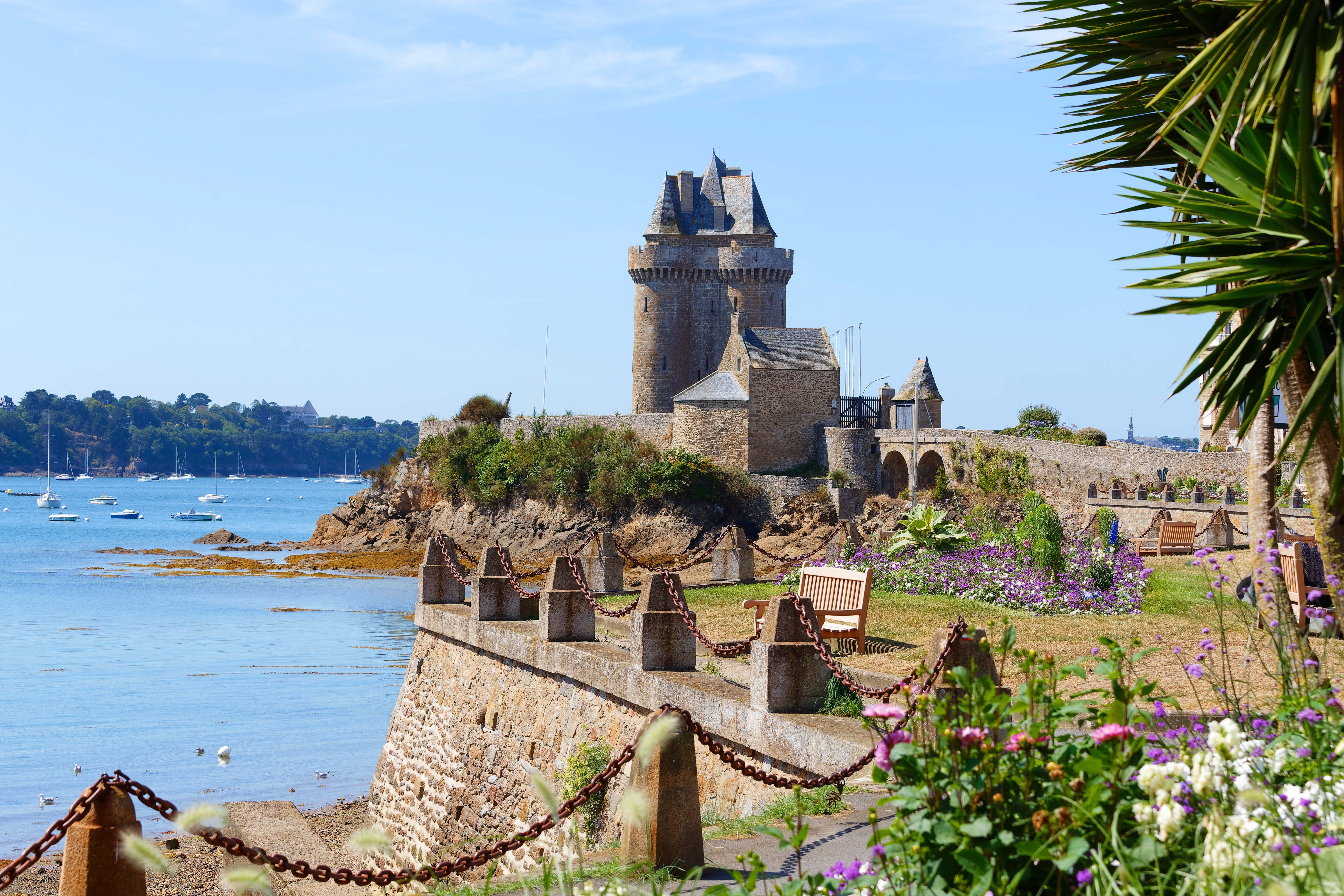
Until the end of the Hundred Years' War in 1453, Brittany remained independent. Only through the dynastic marriage of Anne of Brittany and Charles VIII did it become part of France, retaining its culture, customs, language, and architecture. This region surpasses any other in the number of man-made landmarks. Saint-Malo in the northern part is known as a haven for privateers and the birthplace of Jacques Cartier, one of the 16th-century discoverers of Canada. The impressive ramparts of the Old Town, the fortifications designed by the famous military architect Vauban, and the 14th-century Solidor Tower are all worth seeing here. Saint-Malo is a stone's throw from Fougères, home to the château of the same name—the largest medieval fortress in Europe—and Mont Saint-Michel in Normandy is also nearby.
The resort town of Dinard, west of Saint-Malo, is known as the "British Brighton." It boasts over 400 Belle Époque villas, and Picasso, Churchill, and Hugh Grant stayed at its first hotel, Le Grand Hôtel Dinard. Nearby are France's leading equestrian club and the country's second-oldest golf course, Golf de Dinard (1887), founded by British immigrants. Returning to Belle-Île, its fortifications were built by Benedictine monks in the early 11th century to protect against pirates and Normans. Monasteries, houses, and a fishing port also appeared. Landmarks include the Vauban Citadel, the Sarah Bernhardt house-museum housed in an abandoned fortress, and a lighthouse. The combination of rocky areas and family-friendly beaches highlights the island's duality.
AJACCO, Corsica
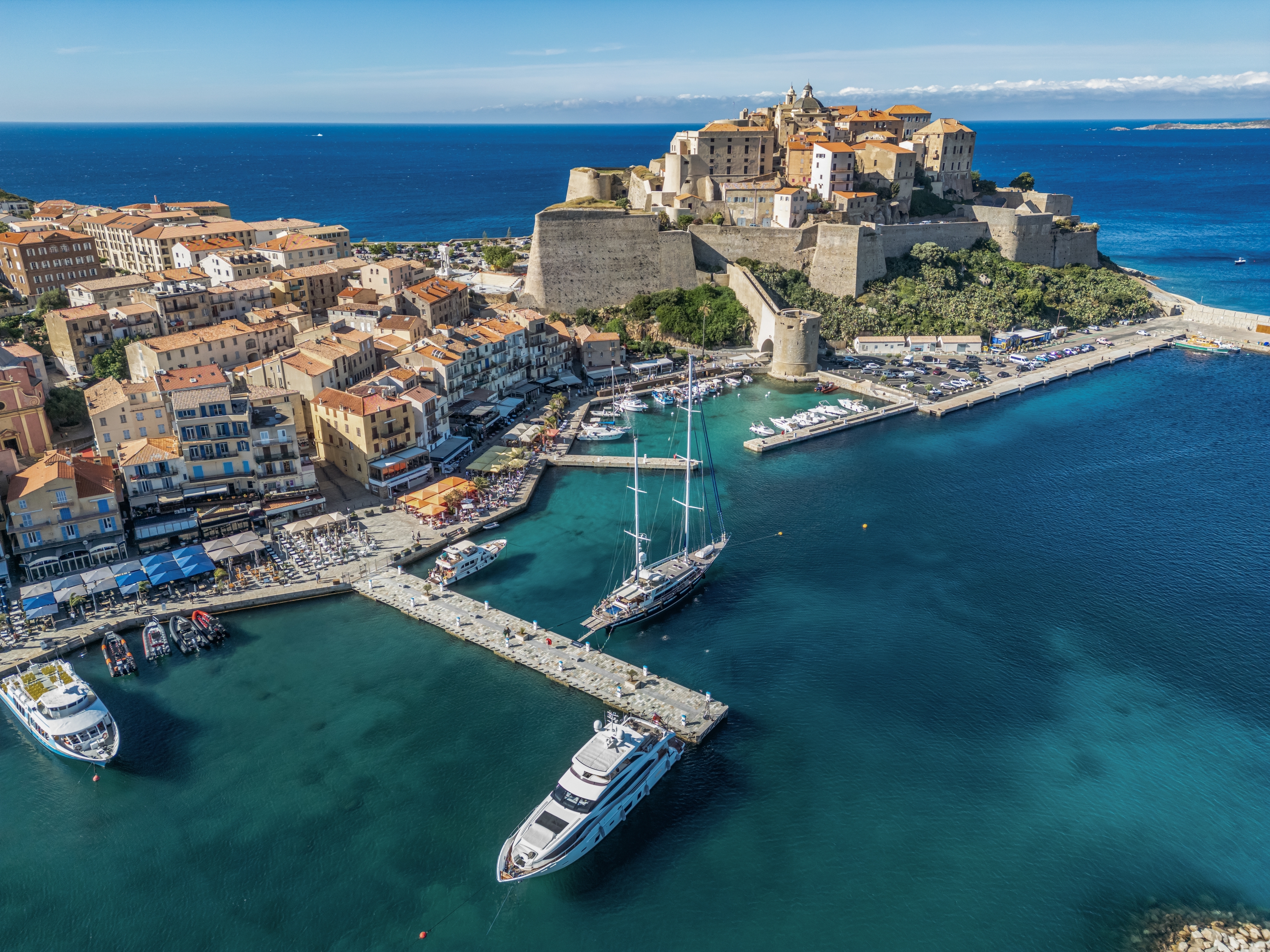
The southern climate and abundance of greenery so inspired Matisse that he painted over 50 paintings during his five months in Corsica. But it wasn't so much the sunshine, which is twice as abundant here as in Paris, as the Corsicans themselves that impressed him—their simplicity, generosity, warmth, and hospitality. Ajaccio, Napoleon's birthplace, is home to the Bonaparte family house-museum, a 16th-century Genoese fortress, and the Fesch Museum, with a collection of masterpieces by Italian masters including Botticelli, Perugino, Michelangelo, Titian, Fra Bartolomeo, Veronese, and Vasari.
After visiting the main city, explore the island, which over 8,000 years has been visited by the Torreans, the ancient Greeks and Romans, the Byzantines, the Pisans, and the Genoese. For only a brief period in the 18th century, Corsica was truly independent, and its loyal son, Pasquale Pascoli, who led the Corsican Republic, is honored in a house-museum in his birthplace in Morosaglia. Today, although territorially part of France, the locals remain Corsicans first and foremost, and French only second. In the mountains in the center of the island lies the former capital of the Corsican Republic, the city of Corte, with its 15th-century citadel. In Calvi, to the west, a 13th-century Genoese fortress overlooks the sea. Corsicans firmly believe that Christopher Columbus was born here, and they are always happy to show you his home. The citadel offers stunning sunset views. Here you can relax on the 4.5-kilometer beach, visit the Scandola Nature Reserve with its bizarre volcanic rocks and diverse birdlife, go on an off-road ride in the Agriate semi-desert, and taste Corsican wines.
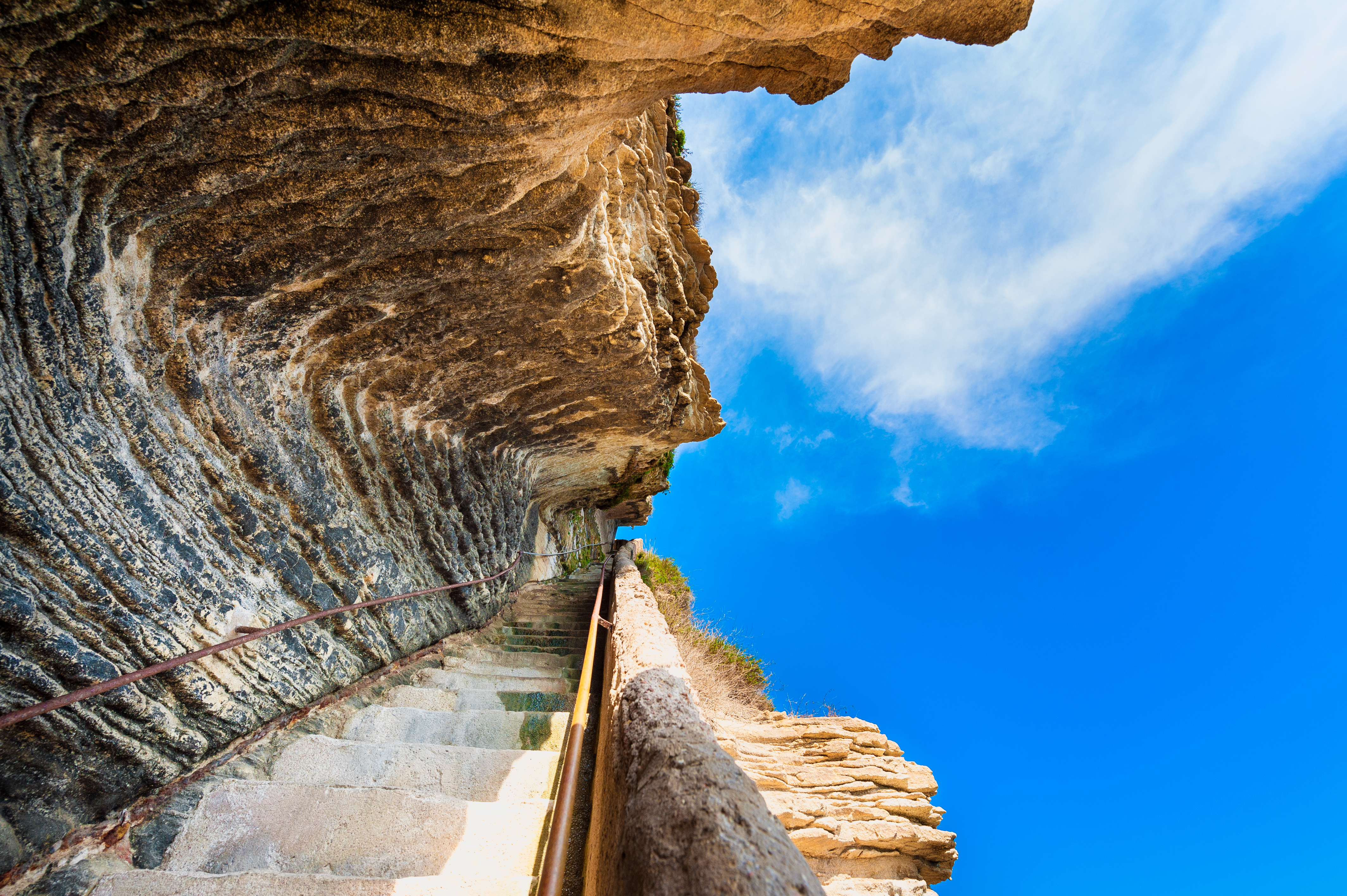
Bonifacio's signature landmark is the King of Aragon's Staircase, with its 187 steps carved into the cliff above the sea, and the citadel of this southern town offers panoramic views of Sardinia. Corsica boasts a multitude of luxury villas and hotels, including some Michelin-starred. In Bastia, stay at the Hôtel Des Gouverneurs, a building dating back to 1380—the only hotel within its citadel. To the south of Corsica, the island of Cavallo captivates with its Seychelles-like granite boulders and deserted beaches, a favorite of many stars, from Catherine Deneuve to Mick Jagger and Caroline of Monaco. There is only one hotel here—the Hôtel & Spa des Pêcheurs (Small Luxury Hotels of the World).
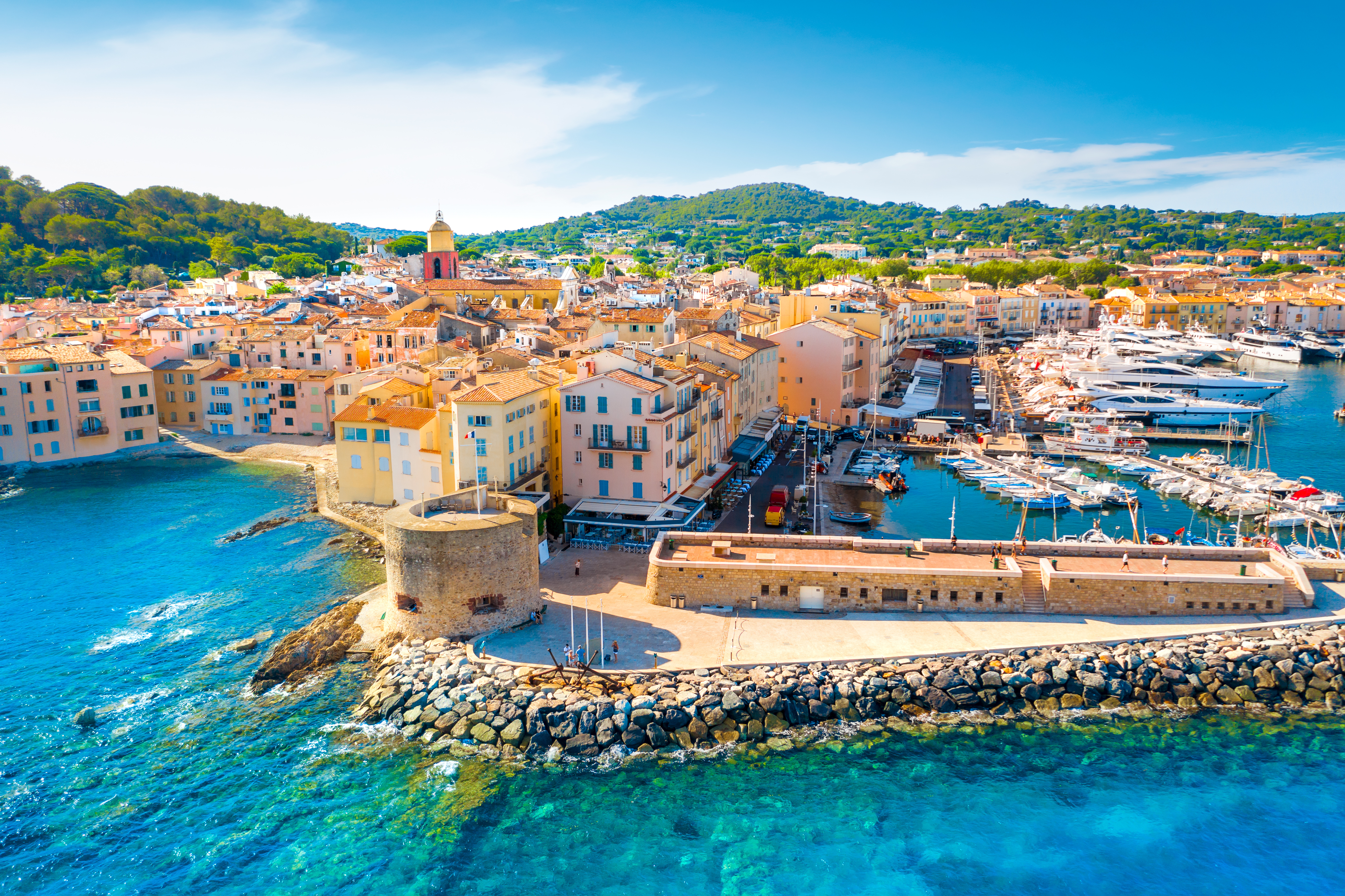
SAINT-TROPEZ
Even before Matisse arrived here in 1904 with his wife and four-year-old son, Paul Signac had settled here: he sailed a yacht, bought a house, opened the La Hune studio, and began inviting artists, including Matisse. Today, the bays with sailboats, blooming gardens, and the bell tower of Saint-Tropez are depicted in the paintings of many outstanding artists. Their works are on display at the local Musée des Anonsiades, housed in a 16th-century chapel. The early 17th-century citadel houses the Museum of Maritime History, whose exhibits reflect the 500-year period of history when the daring Tropezians sailed to Africa, India, the Far East, and even rounded Cape Horn while whaling. You can feel the local pride during the annual "Bravada" festival, commemorating the battle of June 15, 1637, when the Tropezians destroyed 21 Spanish galleons.
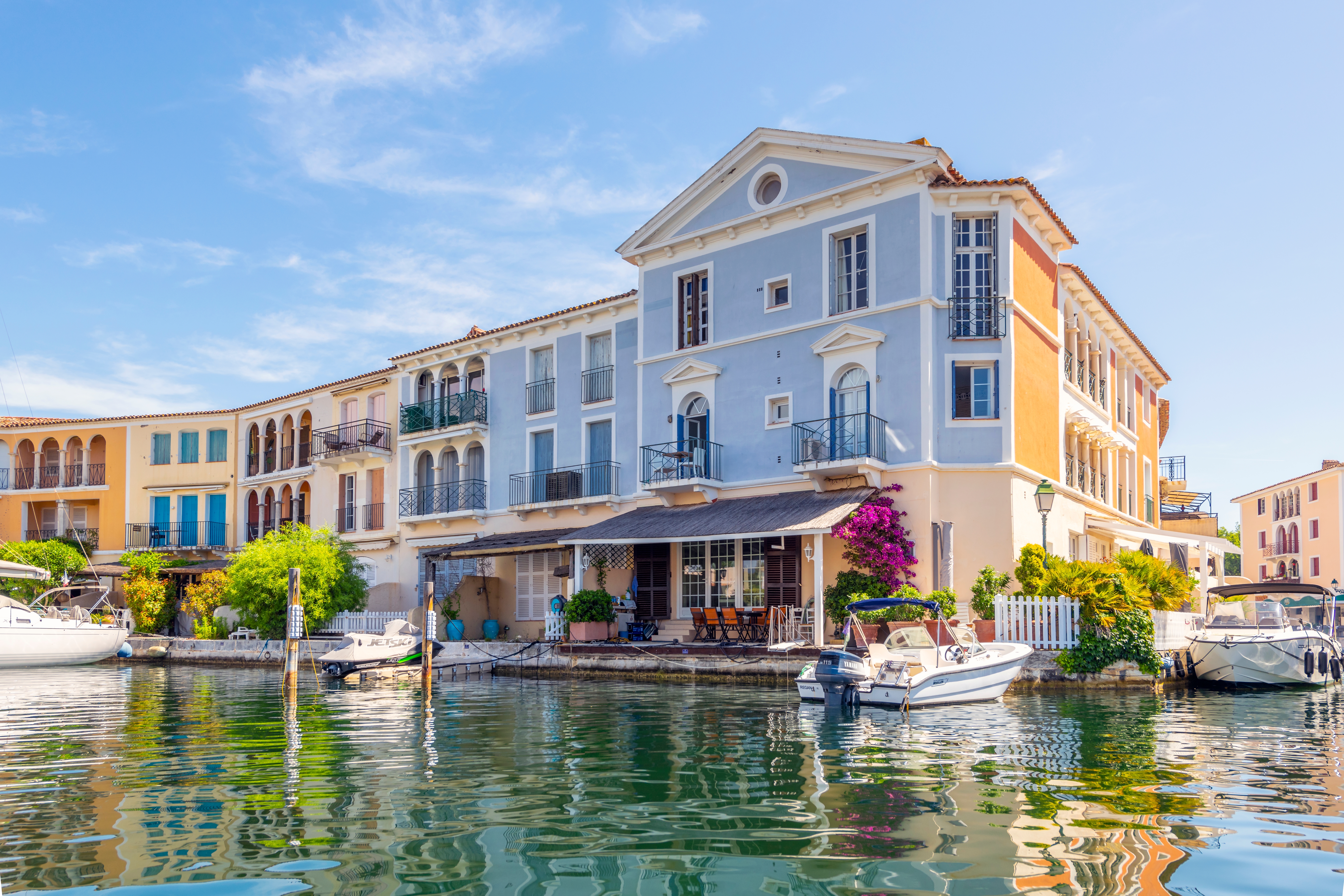
Between beach breaks, visit the mid-19th-century Château de la Moutte. It belonged to the noble family of Martin Roquebrune and later to Napoleon III's Prime Minister, Émile Ollivier, who married Franz Liszt's daughter. The château houses portraits of the politician's family, and its library contains over 4,000 books. Visitors can explore the halls and park, filled with Mediterranean plants, centuries-old trees, and exotic flowers. In summer, the "Nights of the Château de la Moutte" festival attracts connoisseurs of classical music and jazz. In addition to hotels, including the new COMO Le Beauvallon, the resort boasts magnificent villas with terraced gardens overlooking the sea, private docks, and tennis courts. Twelve kilometers from Saint-Tropez, the fairytale town of Port Grimaud, or "the Venice of Provence," is the brainchild of François Spoerri. The Alsatian architect dreamed of the sea, sails, and Phoenician cities, dreaming of creating a place where houses would merge with the water. This idea sustained him while he was a prisoner at Dachau. Soon after his liberation, he purchased 30 hectares of marshy land near Saint-Tropez and, having obtained the necessary permits, began construction with the artist Jean Giraud. By the summer of 1967, the first colorful facades had appeared, and today the town boasts 2,400 colorful houses, each overlooking the canals and equipped with its own dock.
COLLIOURE, France
A garden town immersed in the blossoming of bananas, oranges, lemons, figs, pomegranates, and cherries. This is how Matisse saw Collioure in May 1905, feeling at home. From his bedroom window, he could spend long hours watching the fishermen at the port. The artist freely experimented with vibrant colors and, a year later, presented his painting "Joy of Life" at the Salon des Indépendants. Another masterpiece inspired by Collioure was "Dance," depicting the Catalan folk dance "Sardana."
Collioure is part of the little-known Côte Vermeil (Crimson or Scarlet Coast), a stone's throw from Spain. Art lovers will follow the trail of Fauvism here, discovering the legacy of Matisse and Derain in art galleries and right among the city walls, where reproductions of paintings are displayed. Those interested in antiquity will visit the Royal Castle (Château Royal) overlooking the sea. The first of its four fortresses was founded by the Templars in the early 13th century, and the modern complex remembers the kings of Majorca, the Habsburgs, and Vauban. It housed a prison for victims of the Vichy regime. Today, it is one of the main attractions of Northern, or French, Catalonia.
At an altitude of 170 meters above sea level stands Fort Saint-Elme, founded in the 9th century. The fortress terraces offer a 360-degree panorama for 150 km. The foundations of the Church of Notre-Dame-des-Anges are set directly into the sea: when you cross the threshold of the church, you find yourself below sea level! The structure itself has evolved from a lighthouse and prison to a bell tower and, finally, a church, built during the reign of Napoleon Bonaparte. Matisse, Derain, Raoul Dufy, and other artists depicted its bell tower in their paintings. The Catalan Baroque altarpiece, covered in gold leaf, is a local landmark. Collioure is famous for its wine production and, of course, its beaches, which stretch amid lush greenery and ancient architecture.
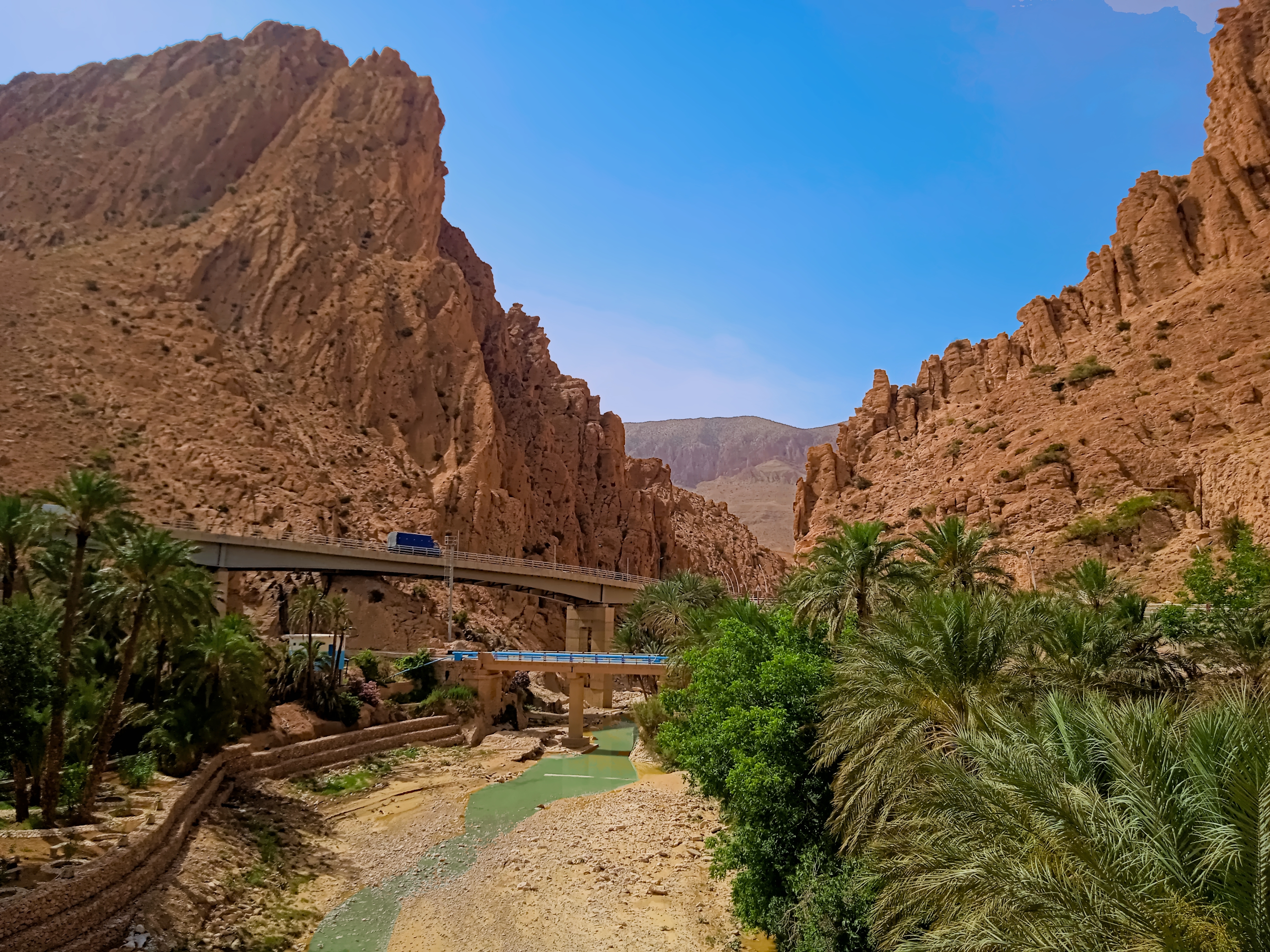
BISKRA, Algeria
This oasis town is called the "Nice of the Sahara," the "gateway to the desert," and the "date capital." It's surrounded by date palms bearing exceptionally sweet, delicious fruit. In the late 19th century, Biskra was a frequent destination for artists. Matisse, who arrived here in the spring of 1906, was captivated by its carpet-weaving traditions, reminding him of his home: he himself came from a family of weavers, and had been surrounded by vibrant patterns since childhood. Of the few paintings he created in Algeria, the most popular is "Blue Nude (Souvenir of Biskra)."
Today, Algeria is the largest and one of the most fascinating countries in Africa. It has it all: the sands of the Sahara and the beaches of the Mediterranean, the ruins of ancient cities and modern metropolises. The ancient Roman cities of Timgad, also known as the "Pompeii of Africa," and Djemila, a 3rd-century BC Mauritanian royal mausoleum, are UNESCO World Heritage Sites. The Tassili n'Ajjer National Park is renowned for its intricate sandstone figures and petroglyphs dating back to 6000 BC in the Sahara Desert. The capital, Algiers, captivates with its fantastic architecture against the backdrop of the sea and green hills. The 11th-century Great Mosque in its historic kasbah was built during the Almoravids. The capital's new mosque, built in modern times, is the largest in Africa, and its minaret is the tallest in the world.
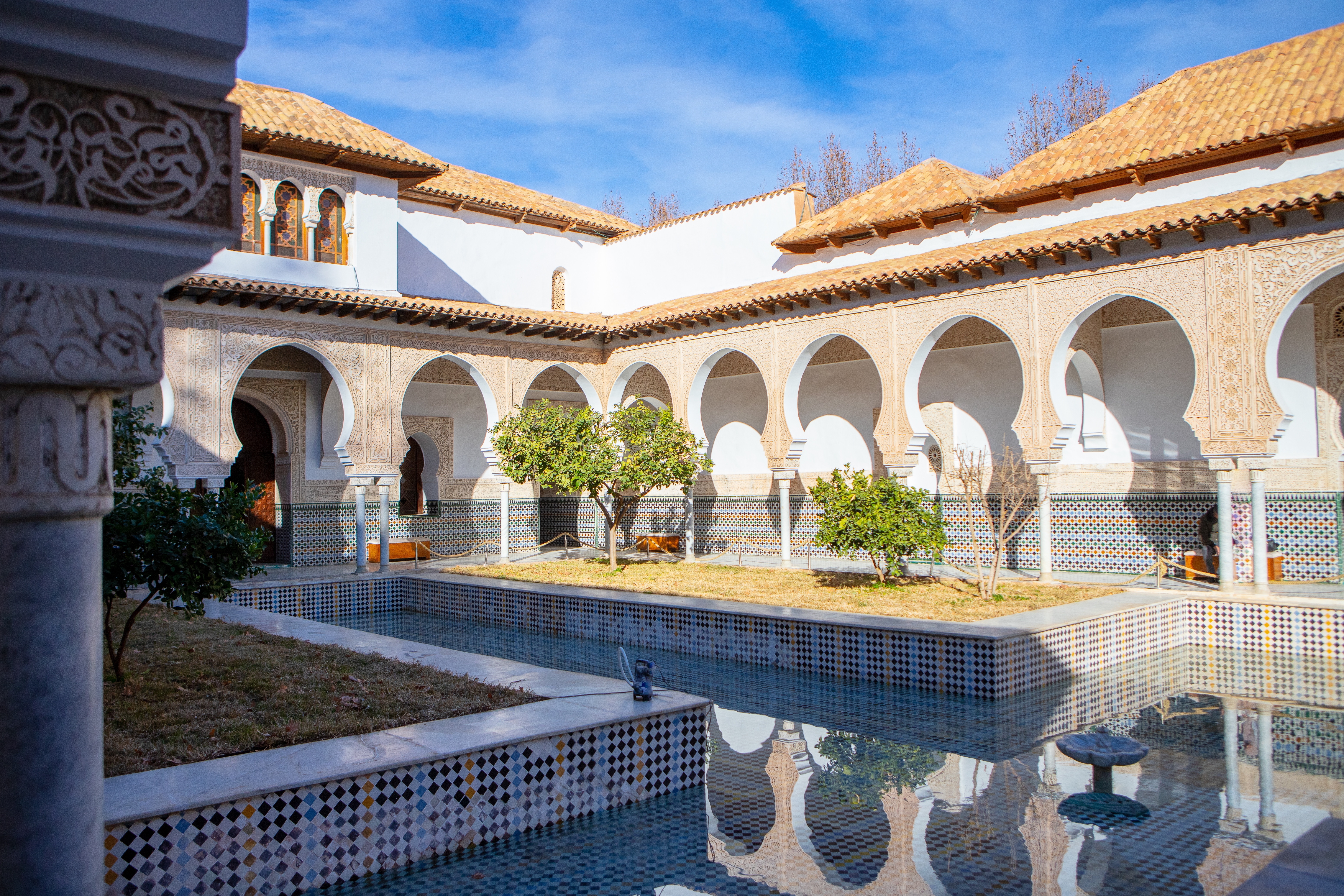
The recently restored Dar Mustafa Pasha Palace, dating from the late 18th century, is covered with 500,000 hand-painted marble tiles from Tunisia, Italy, Spain, and the Netherlands. Its walls now house a museum. Hôtel El Djazair, formerly known as Hôtel Saint-George, was the ruler's mansion during Ottoman Algeria, then a boarding school for girls, and finally a hotel for British and European guests. Albert Camus, himself an Algerian, stayed here. The seaside city of Oran, the country's second largest and most Europeanized city, has preserved its fortifications, mosques, and Bey's Palace. Yves Saint Laurent spent the first 17 years of his life here. He described the city of his childhood as "a cosmopolitan place where traders from all over the world gather, a glittering city in a patchwork of colors under the quiet sun of North Africa..." Spend an evening strolling along the 3-kilometer palm-lined promenade, whose colonial facades recall the French Riviera. Camus and other intellectuals frequented the brasserie Le Cintra near the sea. Oran's railway station impresses with its neo-Moorish splendor. Two bronze lions greet visitors at the entrance to City Hall. Next door stands a former opera house, now a theater. A statue of Our Lady stands in the chapel near the 16th-century Fort Santa Cruz – an exact copy of the one that adorns the Cathedral of Notre-Dame de la Garde in Marseille. On the border with Morocco lies Tlemcen, the pearl of the Maghreb. Among its 45 official monuments are the Tlemcen Great Mosque, built in 1082 (reconstructed in 1136), and the Royal Palace, whose furnishings recall the Alhambra.
TANGIER, Morocco
Matisse first visited Morocco in 1912 and was struck by the country's unique character. There he met Zora, who became his favorite Moroccan model. His works, inspired by Tangier, feature many African motifs. Equally compelling is the fact that Yves Saint Laurent and Pierre Bergé settled in Tangier in 1997. Their "fortunate home," Villa Mabrouka, with its magnificent gardens, which they also designed, has now been converted into the Villa Mabrouka boutique hotel.
Ibn Battuta was also a native of Tangier, and a museum dedicated to him has been opened here. Modern technology makes the story of this great 14th-century explorer, who traveled 120,000 kilometers in his lifetime, even more fascinating. The city boasts numerous monuments from various periods, from the Phoenician era to the present day. Its medina houses the American Legation Museum, the only American landmark outside the United States. Near Tangier, the luxurious Mediterranean resort of Tamuda Bay, with its Royal Mansour, Sofitel, and St. Regis hotels, attracts visitors with its charm. In Marrakech, visit one of the most unusual botanical gardens on the planet – André Heller's Anima, as well as the House of Photography, which reflects life in Morocco and Africa in general from 1879 to 1960.
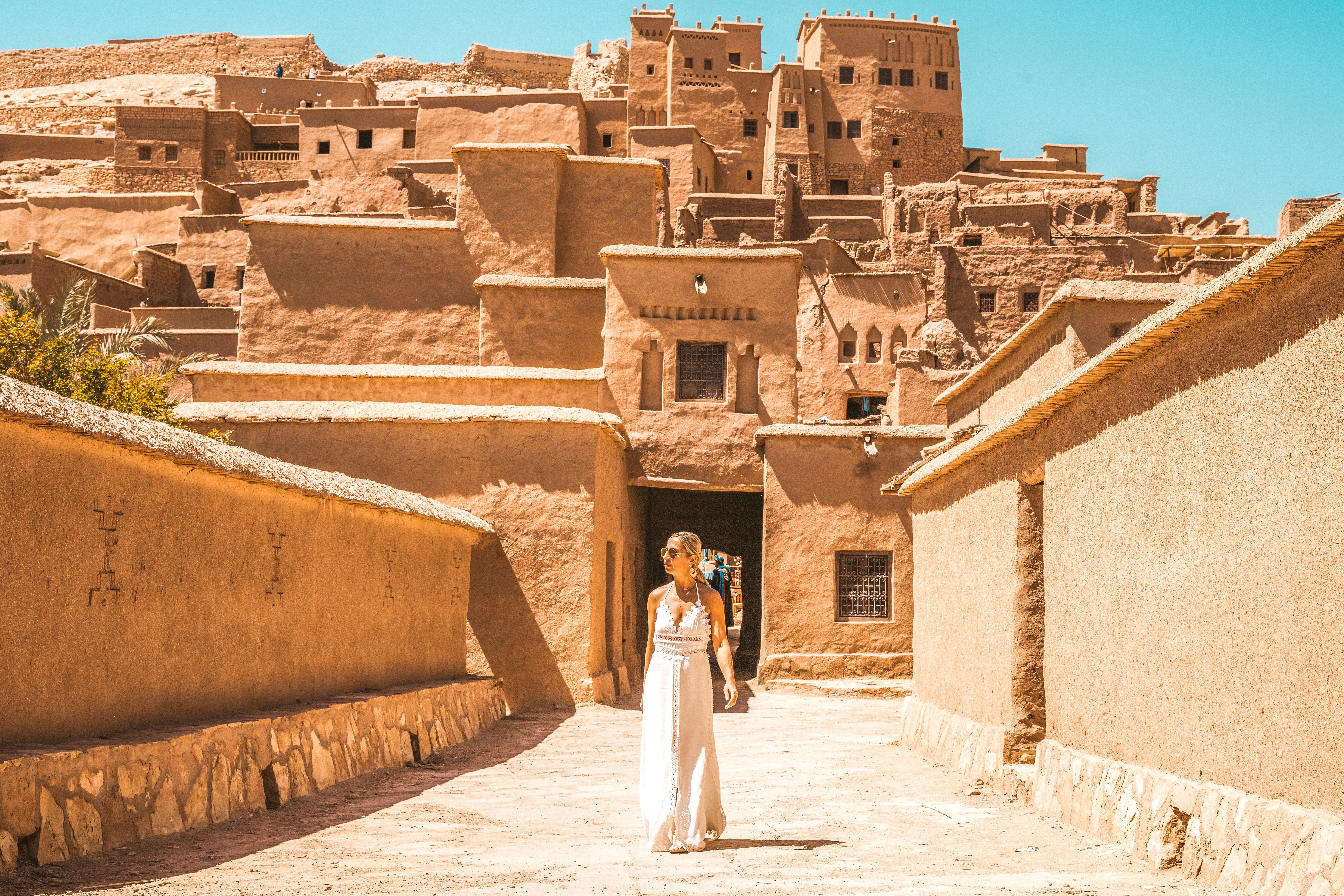
In Fez, wander the labyrinth of the world's largest medieval medina, comprised of 9,000 streets and alleys. There, you'll see the 9th-century Al-Karaouine Mosque, home to one of the oldest universities in the world. An hour's drive away is Meknes, one of Morocco's four historic capitals and a center of wine production that flourished under the French. Visit the ruins of the ancient Roman city of Volubilis, with its capitol, forum, triumphal arch, and the homes of wealthy citizens. Take a tour of the holy city of Moulay Idriss, closed to non-Muslims until 2005. In Casablanca, admire the splendor of the glittering gold and marble Hassan II Mosque, the largest Muslim house of worship in the country. The Royal Mansour Casablanca is a match for it. Book lovers are drawn to Rabat, designated World Book Capital 2026. The city is home to 54 publishing houses and hosts Africa's third-largest international book and publishing fair. Film buffs will also enjoy the UNESCO-listed fortified city of Aït Benhaddou, where episodes of "Gladiator," "Prince of Persia," and "Game of Thrones" were filmed. Nearby, Ouarzazate, known as "Moroccan Hollywood" and "the gateway to the desert," is also located.