Tailor-made journeys through Uruguay
Uruguay combines the architecture of Montevideo, Atlantic resorts, wine estates and small historic towns. Seven to ten days allow time for several evenings in the capital, a stay on the coast and a journey west to Colonia del Sacramento and Carmelo. A longer itinerary can be combined naturally with Buenos Aires.
Montevideo and the Río de la Plata
An introduction to the capital begins in Ciudad Vieja, home to Plaza Independencia, Teatro Solís, galleries and historic buildings. The journey can continue along the Rambla beside the Río de la Plata, followed by dinner featuring Uruguayan beef, seafood and local wines.
Museums, markets and performances of candombe add further cultural context. This musical tradition is recognised by UNESCO as Intangible Cultural Heritage. Two or three nights are usually sufficient for exploring Montevideo without compressing the programme.
Punta del Este and José Ignacio
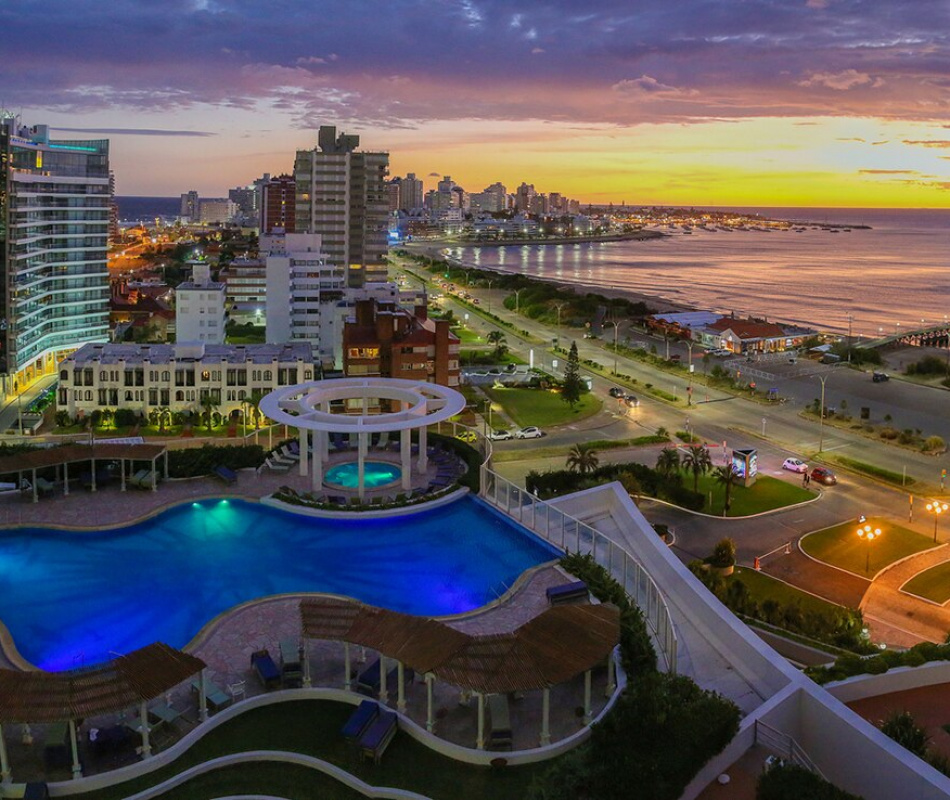
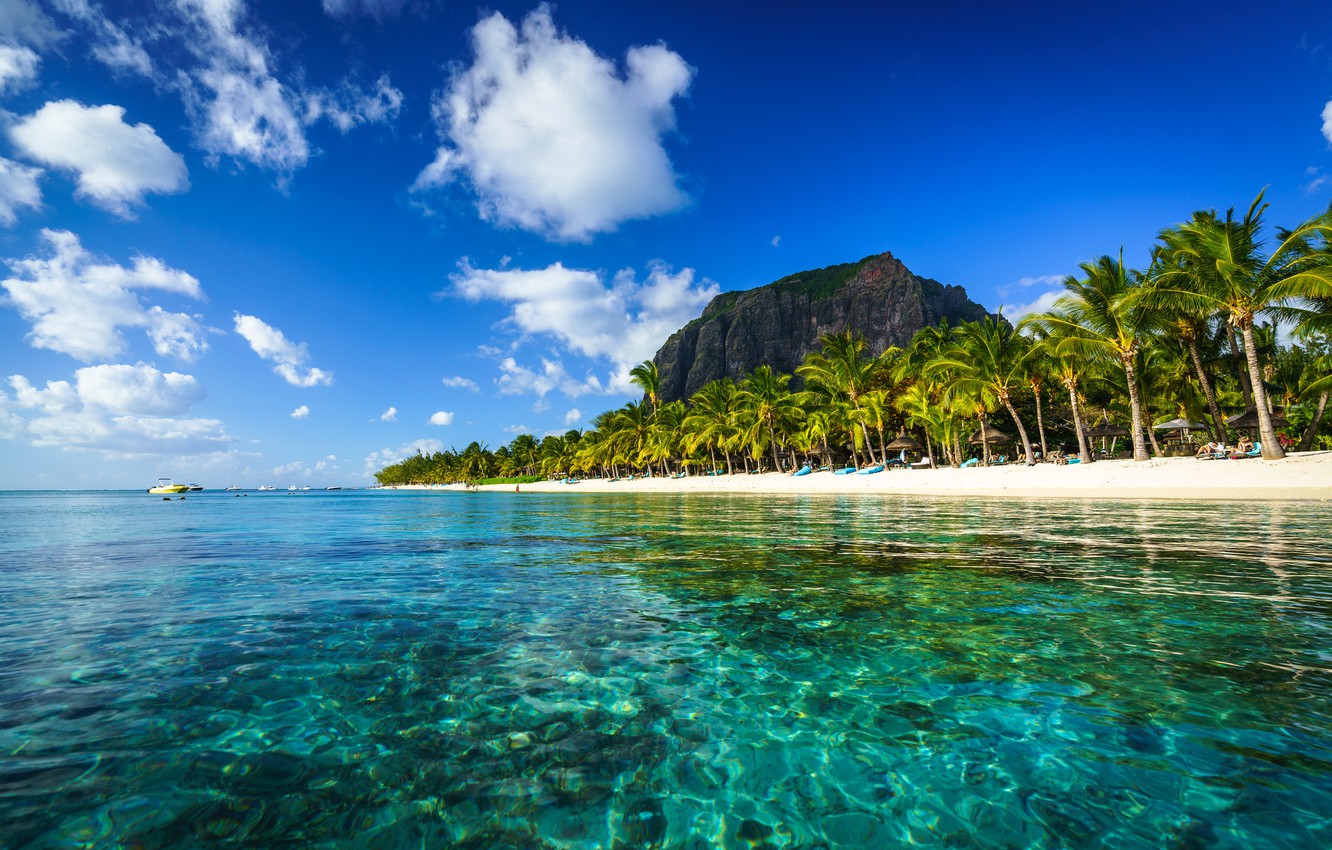
Punta del Este suits travellers looking for a marina, restaurants, galleries and a lively resort atmosphere. Mansa and Brava beaches have different water conditions and settings, so hotel location should be chosen according to the preferred style of stay.
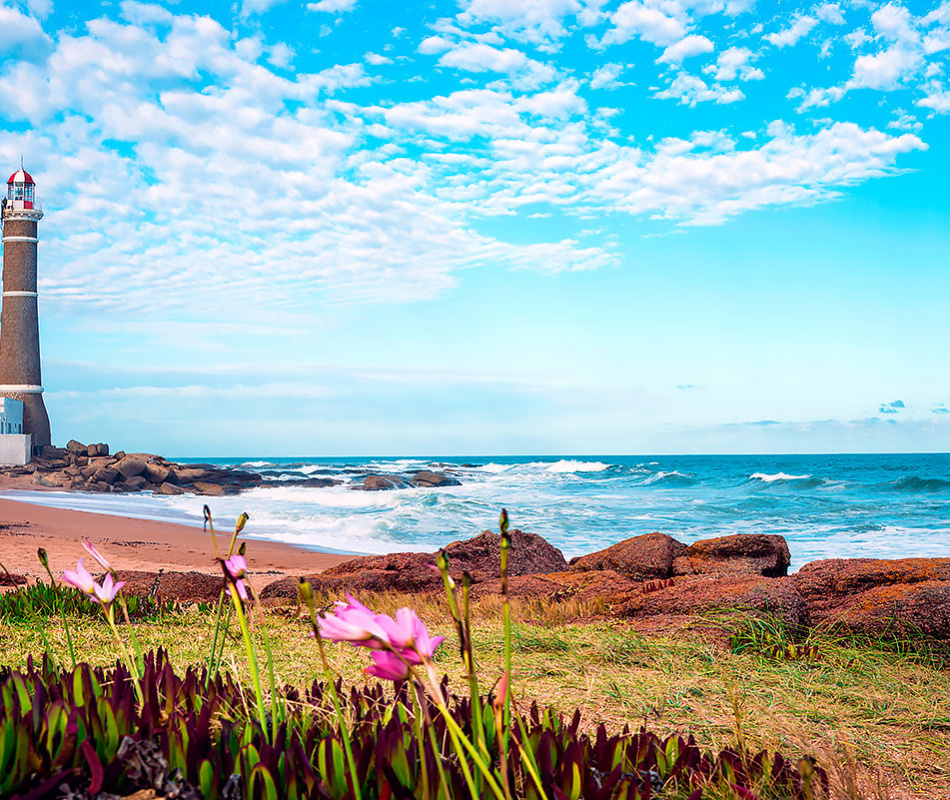
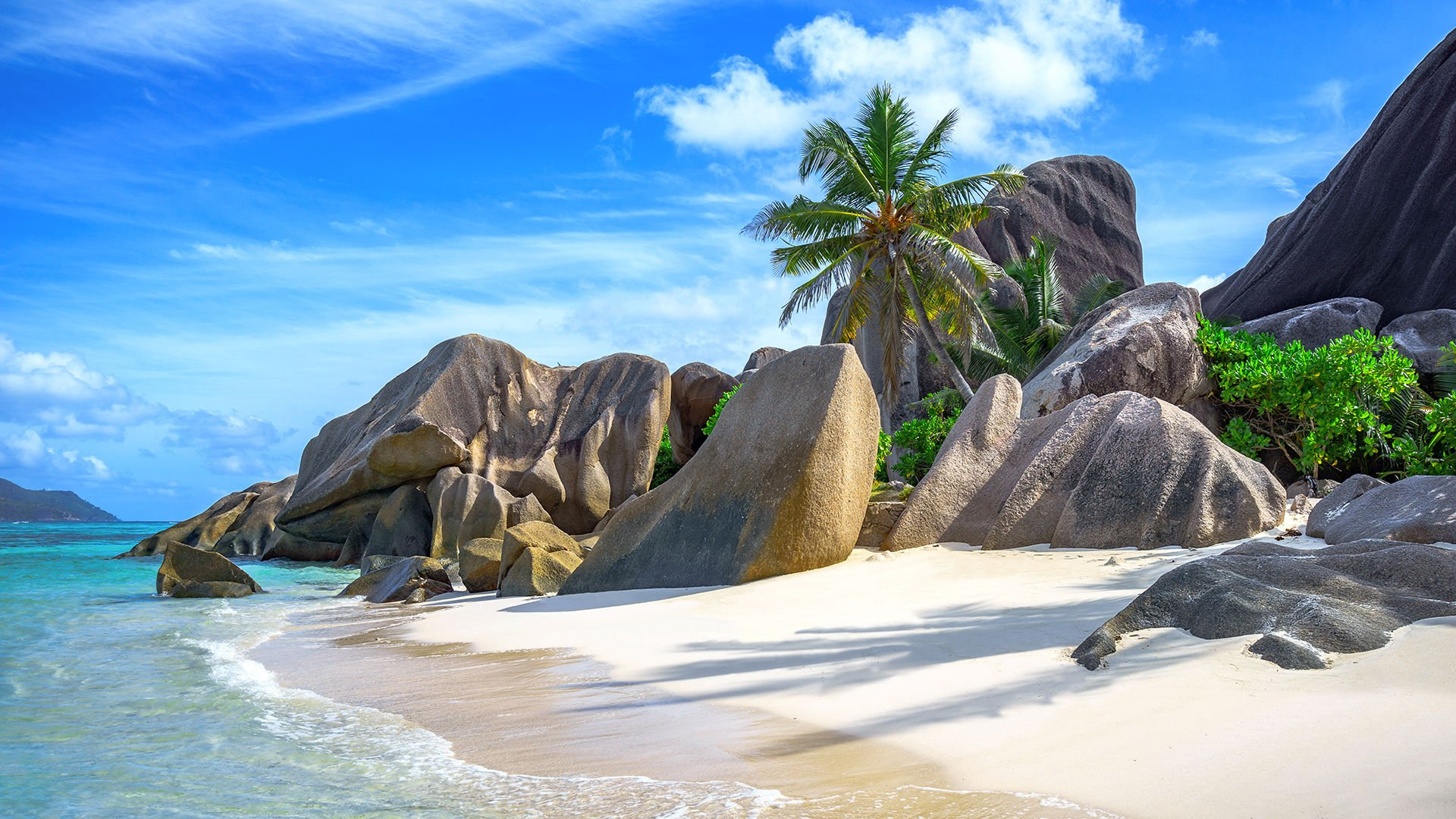
José Ignacio offers a different rhythm, defined by its lighthouse, broad beaches, small design-led hotels and acclaimed restaurants beside the ocean. Accommodation and dining should be reserved well ahead during the busiest period from late December through February.
Colonia, Carmelo and the wine regions
The Historic Quarter of Colonia del Sacramento is a UNESCO World Heritage site. Its cobbled lanes and low-rise buildings reflect the town’s intertwined Portuguese and Spanish architectural traditions.
From Colonia, the route can continue to Carmelo, where vineyards, country estates and Tannat tastings are combined with time beside the river. Winery appointments should be arranged in advance. Canelones, located closer to Montevideo, is a practical alternative for a shorter introduction to Uruguayan wine.
When to travel and how to plan the route
December to February is the principal beach season. November and March often provide warm weather with fewer visitors. Spring and autumn suit city, wine and countryside itineraries, while winter brings cooler and windier conditions to the coast.
The eastern resorts and western wine regions lie in opposite directions from Montevideo. A continuous journey with a car and driver is therefore more efficient than returning to the capital each day. Ferries connect Buenos Aires with Colonia and Montevideo, although timetables and border requirements should be checked for the selected travel dates.