Planning a Holiday in Japan
Japan combines contemporary cities, historic districts, mountain landscapes, islands, hot-spring resorts and highly regional cuisine. Rather than attempting to cover the entire country, a successful itinerary should connect a limited number of regions suited to the season and the traveller’s main interests.
When to Travel
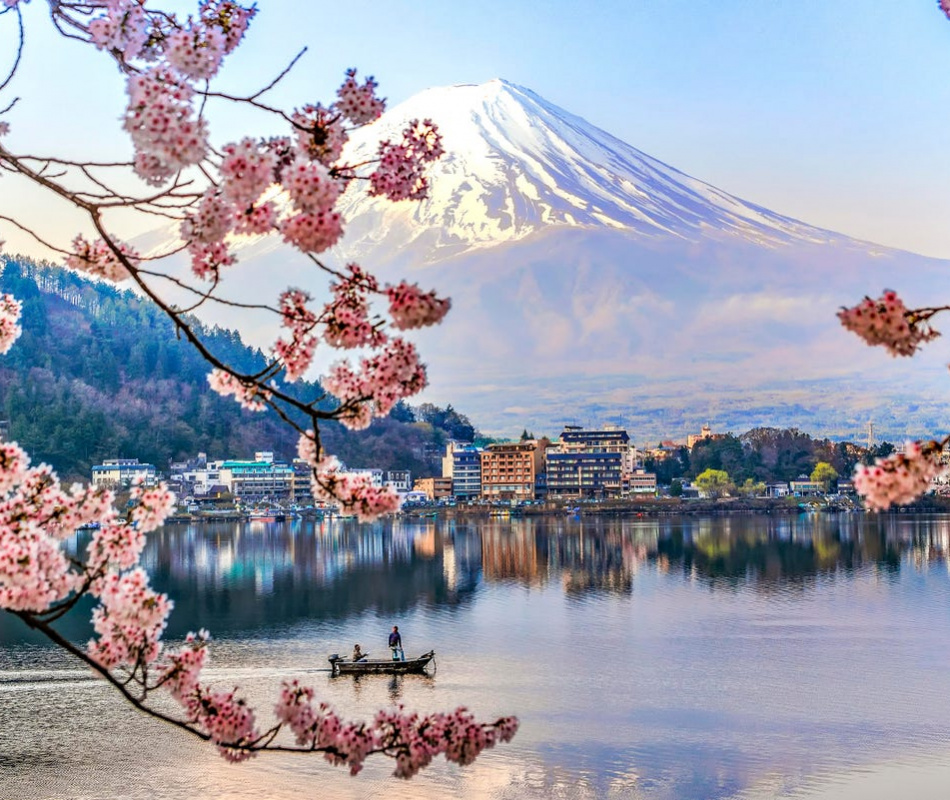
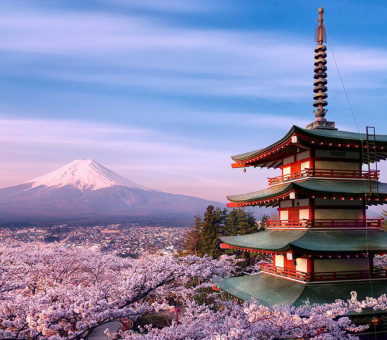
Spring is associated with cherry blossom season, which progresses northwards between March and May depending on the region. Exact dates vary each year, while the best-known locations experience greater demand for hotels and transport.
Autumn suits cultural touring, countryside stays and food-focused journeys. The autumn colours begin in the north and gradually move south between late September and early December.
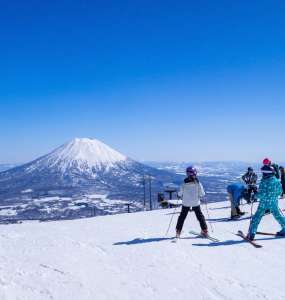
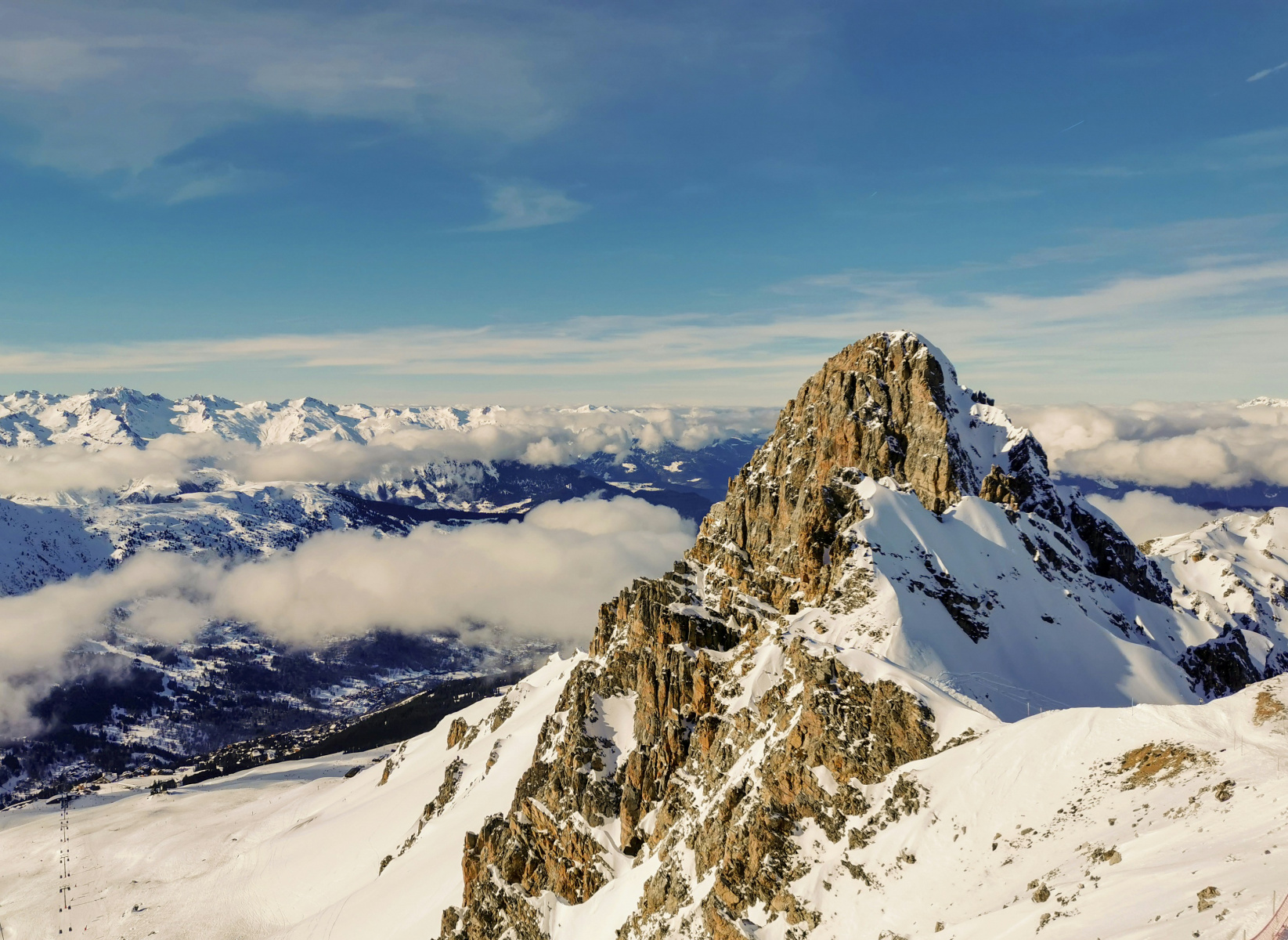
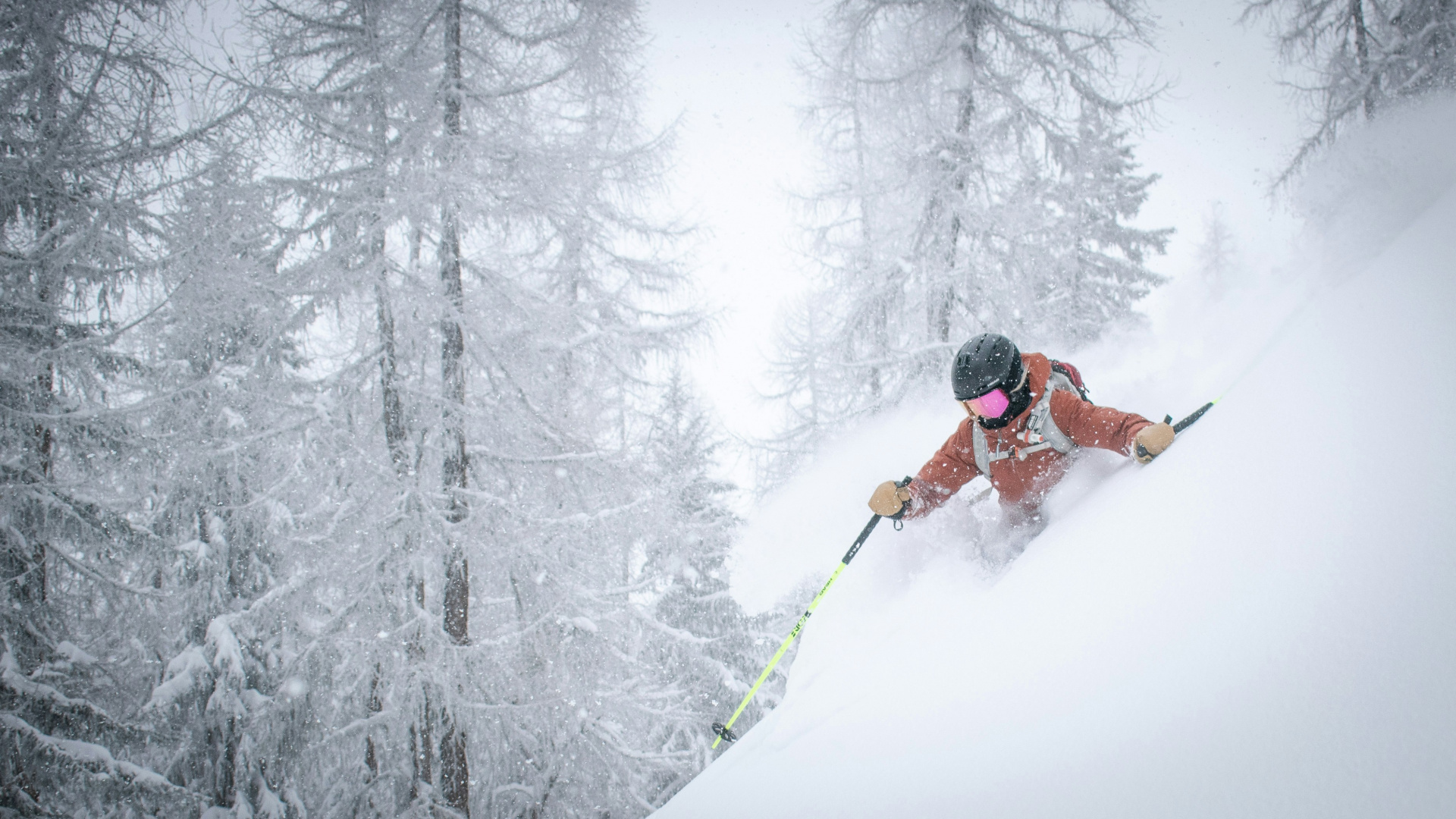
Summer is hot and humid in many major cities, while August and September may bring typhoons. Northern and mountain regions can provide alternatives to city-based touring. Winter is well suited to skiing, snow landscapes, ryokan stays and hot springs.
A First Itinerary
A first journey is usually more rewarding when focused on two or three main bases. A balanced route can combine a contemporary city, a historic region and one countryside or hot-spring stay.
Tokyo, Kyoto, Osaka and Hiroshima are connected by high-speed rail, making them practical to combine. However, changing cities every night creates unnecessary pressure, so sufficient time should be allowed in each main destination.
Cities and Regions
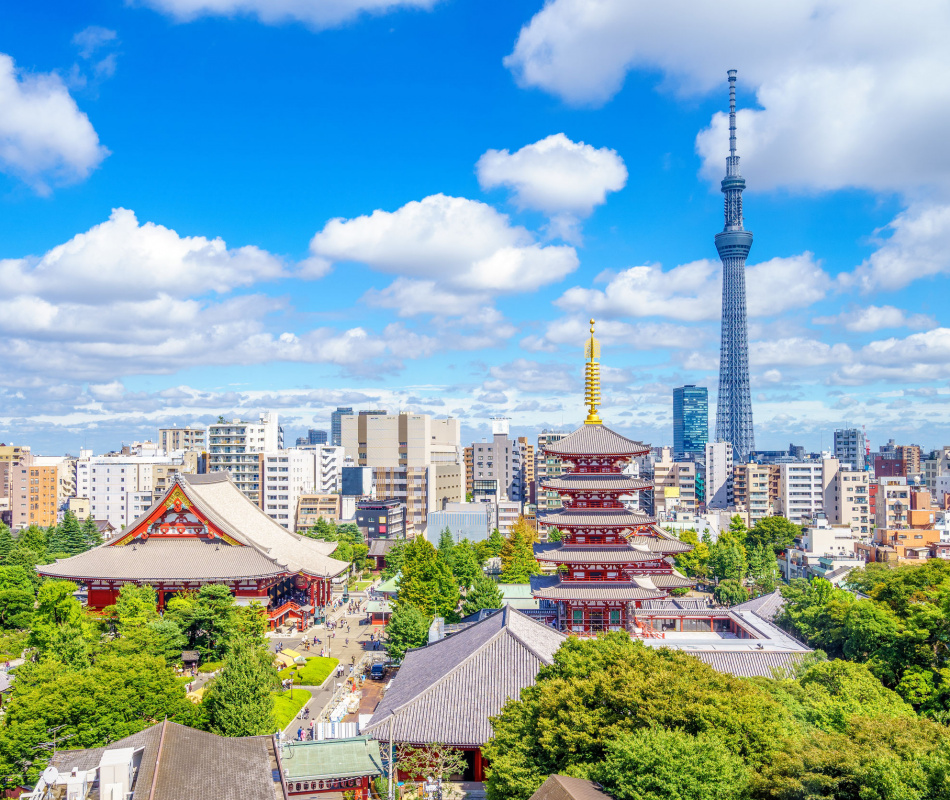
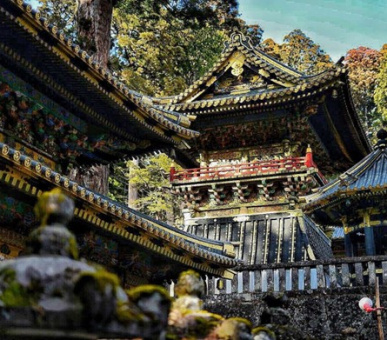
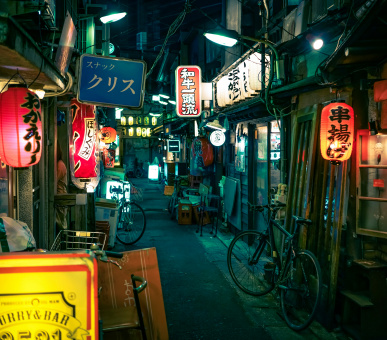
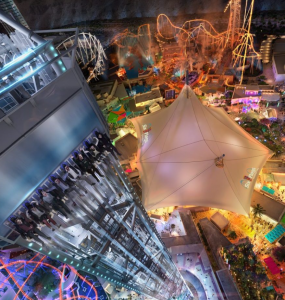
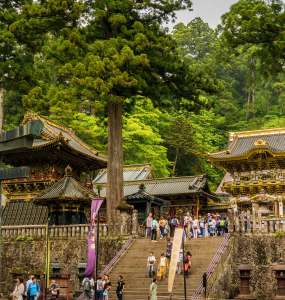
Major cities offer contemporary architecture, museums, dining, shopping and family attractions. Historic regions provide greater access to gardens, crafts, temples and traditional streetscapes.
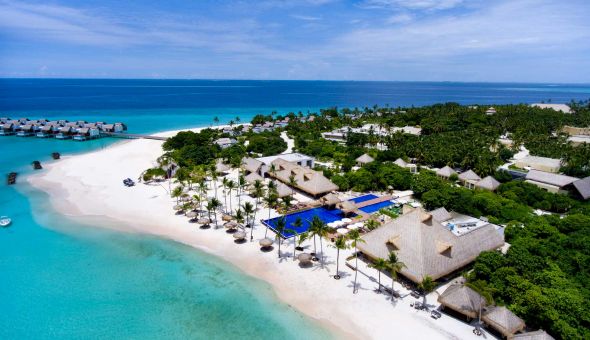
A return journey can focus on mountain areas, smaller towns, northern Japan or the islands. Conditions vary substantially from snowy Hokkaido to subtropical Okinawa, making regional selection inseparable from seasonal planning.
Ryokan and Onsen
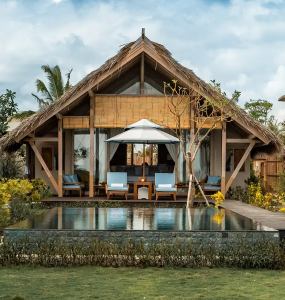
Including a ryokan stay adds a distinct cultural dimension to the itinerary. Traditional inns commonly feature tatami rooms, futon bedding, a Japanese breakfast, a multi-course kaiseki dinner and, in many cases, hot-spring baths.
Selection should consider bedding, private bathing options, meal arrangements, dinner times and onsen etiquette. Families should also check children’s policies and whether alternative meals can be arranged.
Selecting Hotels
In major cities, neighbourhood and station access are generally more important than hotel size. A poorly connected location can add several unnecessary transfers to each day.
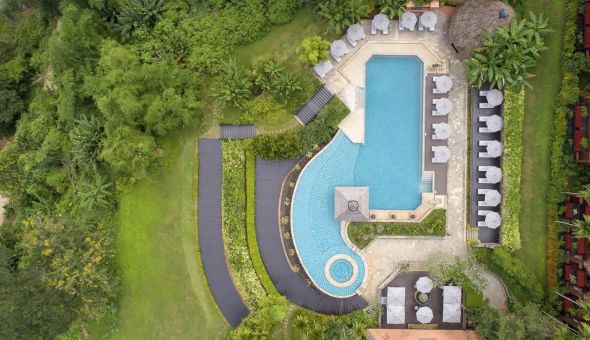
Historic cities may be combined with a countryside ryokan, while ski and hot-spring resorts require careful consideration of season, transport, dining and the facilities available within the property.
Rail and Luggage
The shinkansen is particularly useful between major cities, but a nationwide rail pass is not automatically the most economical option. Individual tickets and passes should be compared only after the route has been finalised.
Luggage-forwarding services allow larger suitcases to be sent between hotels while travellers carry a smaller overnight bag. This can make rail journeys and stays in traditional inns considerably more comfortable.
A tailored itinerary coordinates the season, regions, hotels, ryokan stays, rail tickets and transfers while maintaining a comfortable pace.