
Luxury Holidays in Hoi An
Lantern-lit lanes, a river cruise and a beautifully tailored outfit—Hoi An turns a few days into an occasion.













Hoi An holidays: heritage, countryside and coast
Hoi An is a historic destination in Central Vietnam where the architecture of a former trading port meets riverside scenery, rice fields and sandy beaches. It can be planned as a cultural city break, a relaxed coastal stay or part of a broader Central Vietnam itinerary.
Three or four nights work well for a first visit. Five to seven nights allow sufficient time for the Ancient Town, the beach, surrounding countryside and selected excursions without creating an overly busy programme.
Choosing where to stay
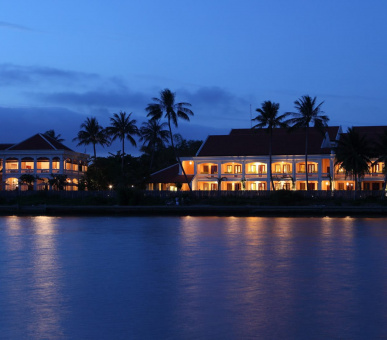
Accommodation close to the Ancient Town provides convenient access to historic streets, restaurants and evening activities. Hotels within and around the heritage area tend to be smaller, while vehicle access is restricted on certain streets and at particular times.
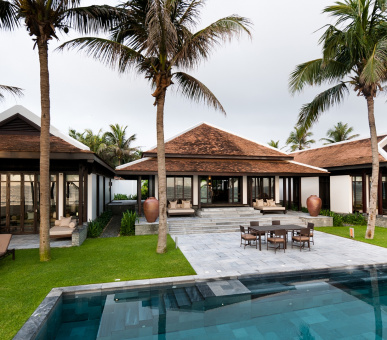
The countryside between the town and coast offers quieter boutique hotels and villas surrounded by gardens and rice fields. Cycling or short transfers provide access to both the historic centre and beaches. Before booking, it is worth checking road access, nearby dining and the precise distance from the main sights.
An Bang suits travellers who want a beach setting without becoming completely separated from Hoi An. The area has independent restaurants and a varied selection of accommodation. Cua Dai provides access to several larger resorts, although beach width and coastal conditions vary between individual sections.
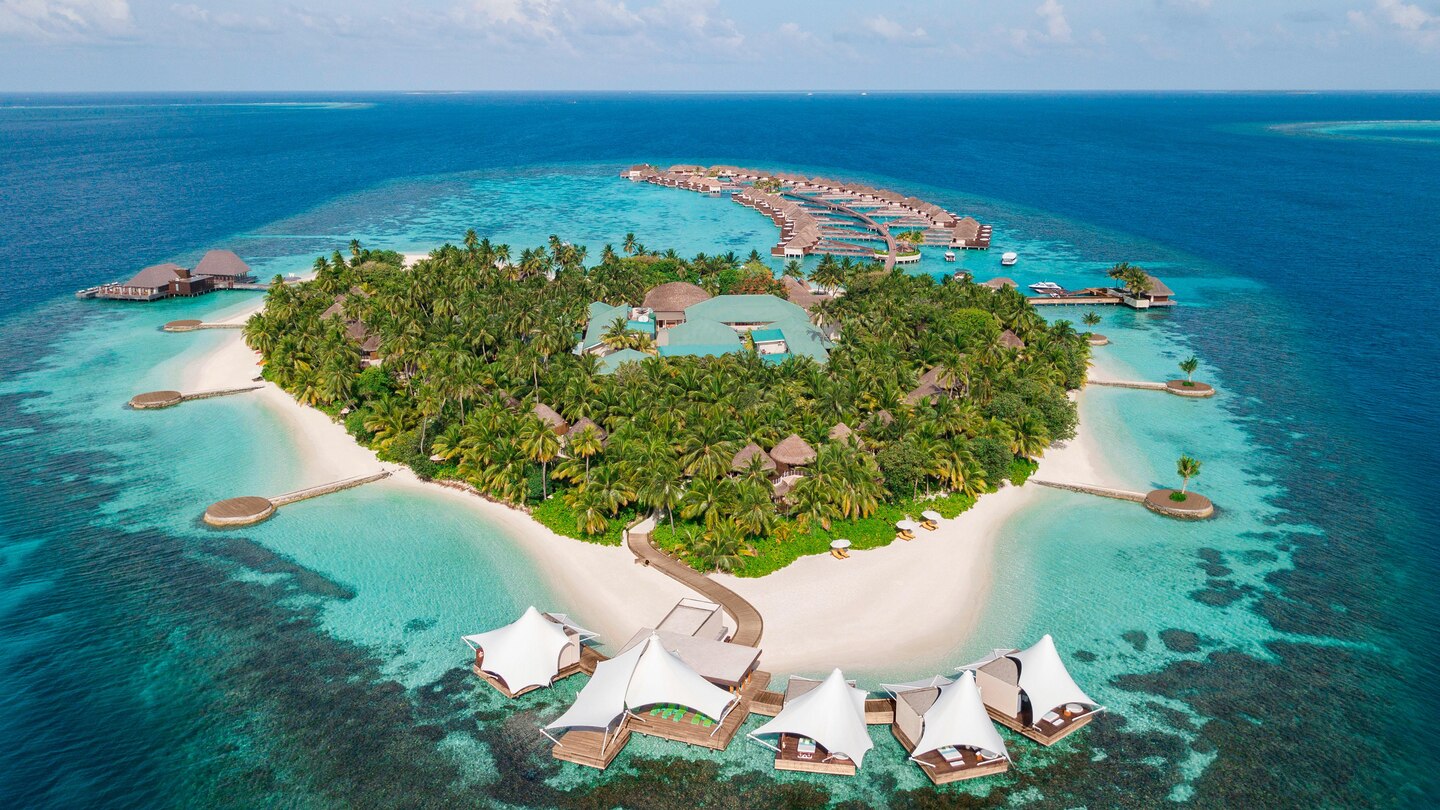
More secluded coastal resorts north of Hoi An are better suited to travellers intending to spend substantial time at the property. Transfers are normally required for visits to the Ancient Town and independent restaurants.
Exploring Hoi An and its surroundings
The Ancient Town preserves the street plan and buildings of a historic trading port, including traditional houses, temples, Chinese assembly halls and the Japanese Covered Bridge. Early morning provides a quieter atmosphere, while evenings are busier and defined by the town’s lantern lighting.
The surrounding countryside can be explored by bicycle, private vehicle or river excursion. Routes pass through rice fields, gardens and small communities. During the hottest months, longer cycling programmes are more comfortable in the morning or late afternoon.
My Son Sanctuary can be visited on a dedicated half-day excursion. Boat trips, snorkelling and visits to the Cham Islands depend on wind and sea conditions and should not be treated as guaranteed elements of a short stay.
When to visit Hoi An
March to May generally provides the most balanced conditions for walking, sightseeing and time at the beach. Temperatures are warm, while rainfall is usually lower than later in the year.
June to August is often sunny and suitable for the coast, but daytime heat can be intense. Ancient Town visits are best arranged for the morning and evening, with a slower programme during the middle of the day.
Weather becomes less predictable from September. October to January may bring prolonged rainfall, storms and flooding in low-lying riverside areas. Travellers during this period should maintain a flexible itinerary and choose a hotel with sufficient on-site facilities.
Planning the journey
Da Nang International Airport is the nearest major gateway. Transfers to Hoi An usually take approximately 45–60 minutes depending on the hotel’s location and traffic.
A hotel near the Ancient Town suits a three- or four-night cultural visit. Travellers giving equal priority to sightseeing and the beach may prefer the countryside between town and coast or a split stay combining a central hotel with a coastal resort.