
Luxury Holidays in Hue
Tour the Imperial City privately, cruise the Perfume River and taste royal cuisine—Hue reveals Vietnam’s deeper story.
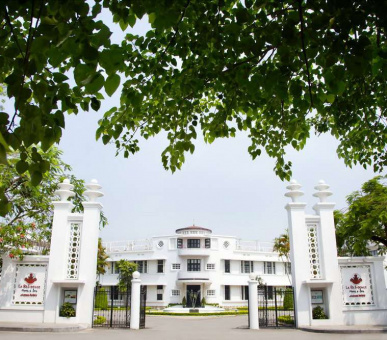








Hue holidays: Vietnam’s imperial heritage
Hue is Vietnam’s former imperial capital and one of the country’s most important cultural destinations. Its heritage includes a fortified citadel, palaces, temples, pagodas and the landscaped tombs of the Nguyen emperors. These sites are spread across both sides of the Perfume River and the surrounding countryside, making thoughtful planning essential.
Two or three nights work well for a first visit. This provides sufficient time for the Imperial City, selected royal tombs, pagodas, local markets and Hue’s distinctive cuisine without rushing between sites.
Choosing where to stay
The city centre on the southern bank of the Perfume River is convenient for a short cultural visit. It offers a broad selection of hotels and restaurants, while the citadel can be reached by a short drive or a walk across the river.
Accommodation closer to the citadel provides a quieter setting and more immediate access to historic neighbourhoods. Hotel and dining options are more limited, so the precise location and nearby facilities should be checked before booking.
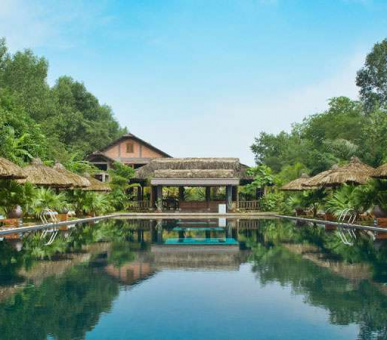
Countryside retreats surrounded by gardens and wooded hills suit a slower, more secluded stay. Private transport is normally required for sightseeing. Lagoon and coastal resorts may be a considerable distance from central Hue and should not be treated as city hotels when planning daily excursions.
Exploring Hue’s historic sites
The Imperial City within the citadel requires at least several hours. Its ceremonial gates, courtyards, temples and restored palace buildings are easier to understand with a knowledgeable guide who can explain the layout and traditions of the former royal court.
The imperial tombs are located outside the city centre. Rather than attempting to visit every complex in one day, it is better to select two or three. Minh Mang’s tomb is known for its balanced landscape design, Tu Duc’s for its garden setting and Khai Dinh’s for its blend of Vietnamese and European decorative influences.
Thien Mu Pagoda can be included in a route along the Perfume River. A boat trip provides an atmospheric perspective on the city, although road transport is generally more efficient when combining several widely separated sites.
When to visit Hue
February to April generally provides the most comfortable conditions for sightseeing, with lower rainfall and manageable temperatures for exploring outdoor monuments.
Temperatures and humidity rise in May. June and July can be particularly hot, making morning visits and a slower programme during the middle of the day advisable.
Rainfall increases from August. October to December may bring prolonged rain, typhoons and local flooding. Travellers visiting during this period should allow flexibility for changes to excursions and transfers.
Planning the journey
Transfers from Phu Bai Airport to central Hue usually take around 30 minutes. The journey from Da Nang International Airport takes approximately two hours, depending on traffic and the chosen route.
Hue combines naturally with Da Nang and Hoi An in a wider Central Vietnam itinerary. Travelling via the Hai Van Pass takes longer than the direct road but adds coastal and mountain scenery to the journey.
Two nights are sufficient for the principal monuments. Three nights allow the citadel, royal tombs and surrounding countryside to be explored at a more comfortable pace.