Tailor-made journeys through French Polynesia
French Polynesia comprises 118 islands and atolls divided between five archipelagos. Most journeys begin in Tahiti and continue through the Society Islands, although the route can also include the Tuamotu or the more distant Marquesas Islands. Considerable distances between the archipelagos make coordinated domestic flights and carefully planned stays essential.
Tahiti, Moorea and Bora Bora
Tahiti is the principal international gateway. A short stay can include Papeete Market, a drive along the coast and an exploration of the waterfalls and valleys in the island’s interior. One or two nights are usually sufficient.
Moorea is distinguished by its volcanic peaks, bays and opportunities for hiking, island drives and time beside the lagoon. It can be reached from Tahiti by ferry or a short flight.
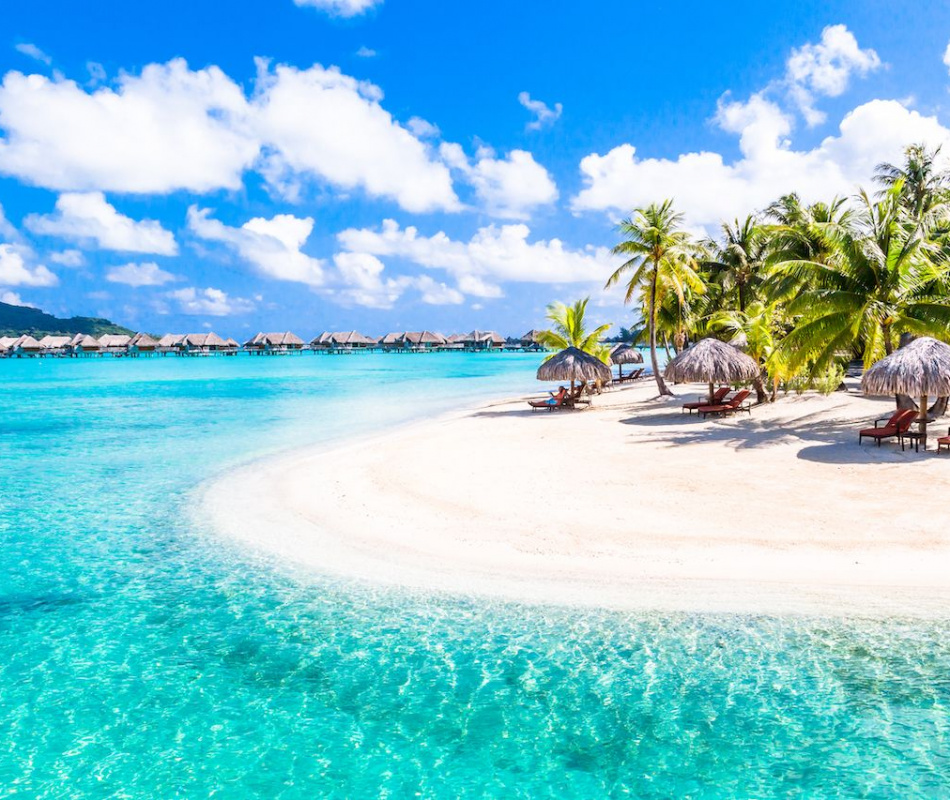
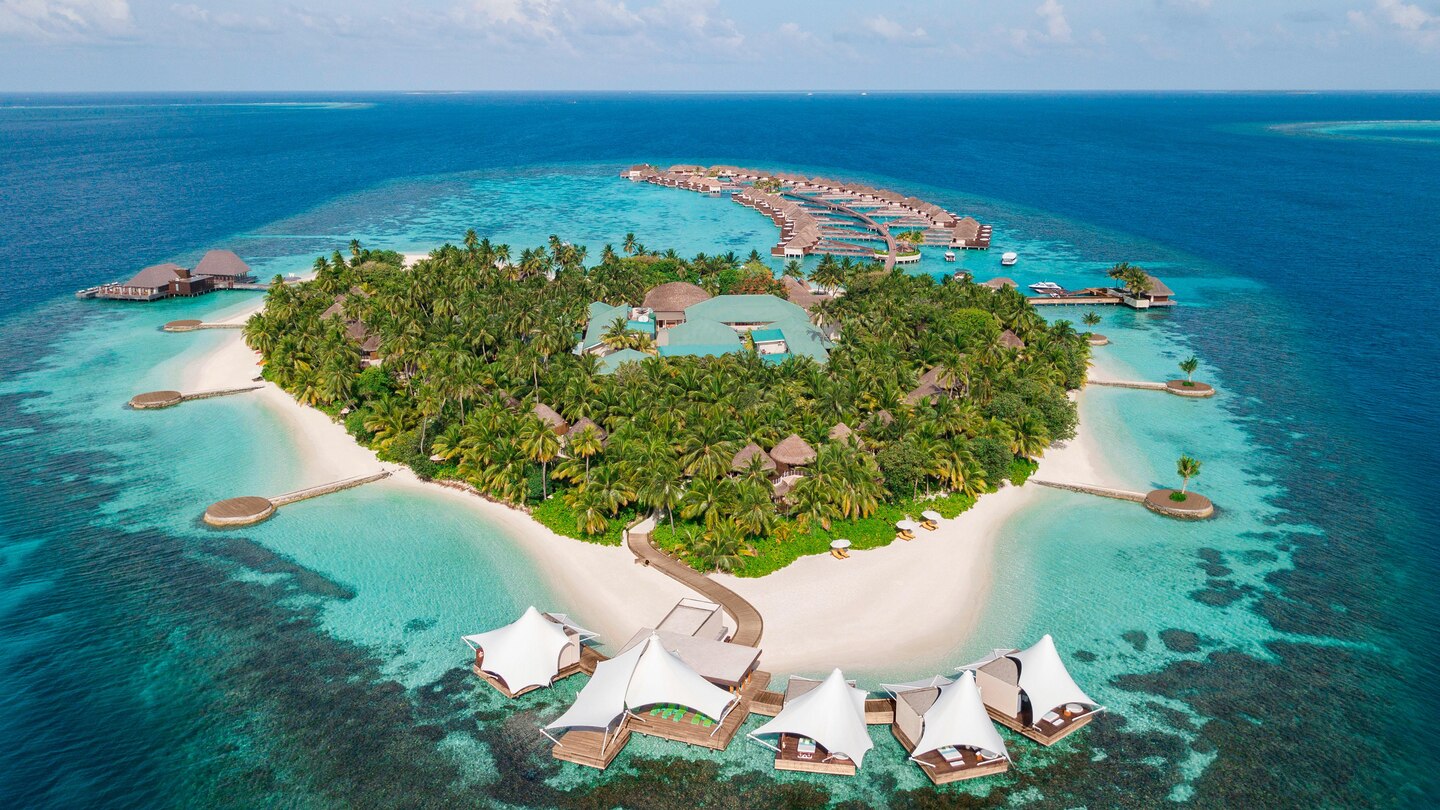
Bora Bora is known for its lagoon, Mount Otemanu and overwater villas. Resort selection should consider whether the property is on the main island or a motu, the view towards the mountain, beach quality, water depth beside the villa and airport transfer arrangements. At least four or five nights allow sufficient time to experience the island.
Taha’a and Raiatea
Taha’a is associated with vanilla gardens, pearl farms and small resorts positioned around the lagoon it shares with Raiatea. It suits travellers who want to combine time by the water with plantation visits and an introduction to island life.
Raiatea is home to Taputapuātea, a UNESCO World Heritage property connected with Polynesian culture, navigation and ceremonial traditions. Taha’a and Raiatea can be combined efficiently within the same section of an itinerary.
The Tuamotu atolls
Rangiroa, Fakarava and Tikehau are chosen for diving, snorkelling and abundant marine life. Dives through the ocean passes can involve strong currents, so locations and programmes should match each guest’s certification and experience.
Resort infrastructure is more limited than in Bora Bora, and domestic flights may not operate daily. The Tuamotus are therefore best planned as a stay of several nights rather than a brief stop.
When to travel and how to plan the route
May to October is the cooler and drier season, with particularly high demand from June to September. November to April is warmer and more humid, with a greater likelihood of tropical showers. Humpback whale excursions generally operate from August to November, although sightings depend on natural conditions.
Ten to fourteen days suit a journey through two or three islands. International arrivals pass through Tahiti, followed by domestic flights, ferries and resort boat transfers.