
South Coast (Galle/Tangalle)
South Coast (Galle/Tangalle)
Hotels




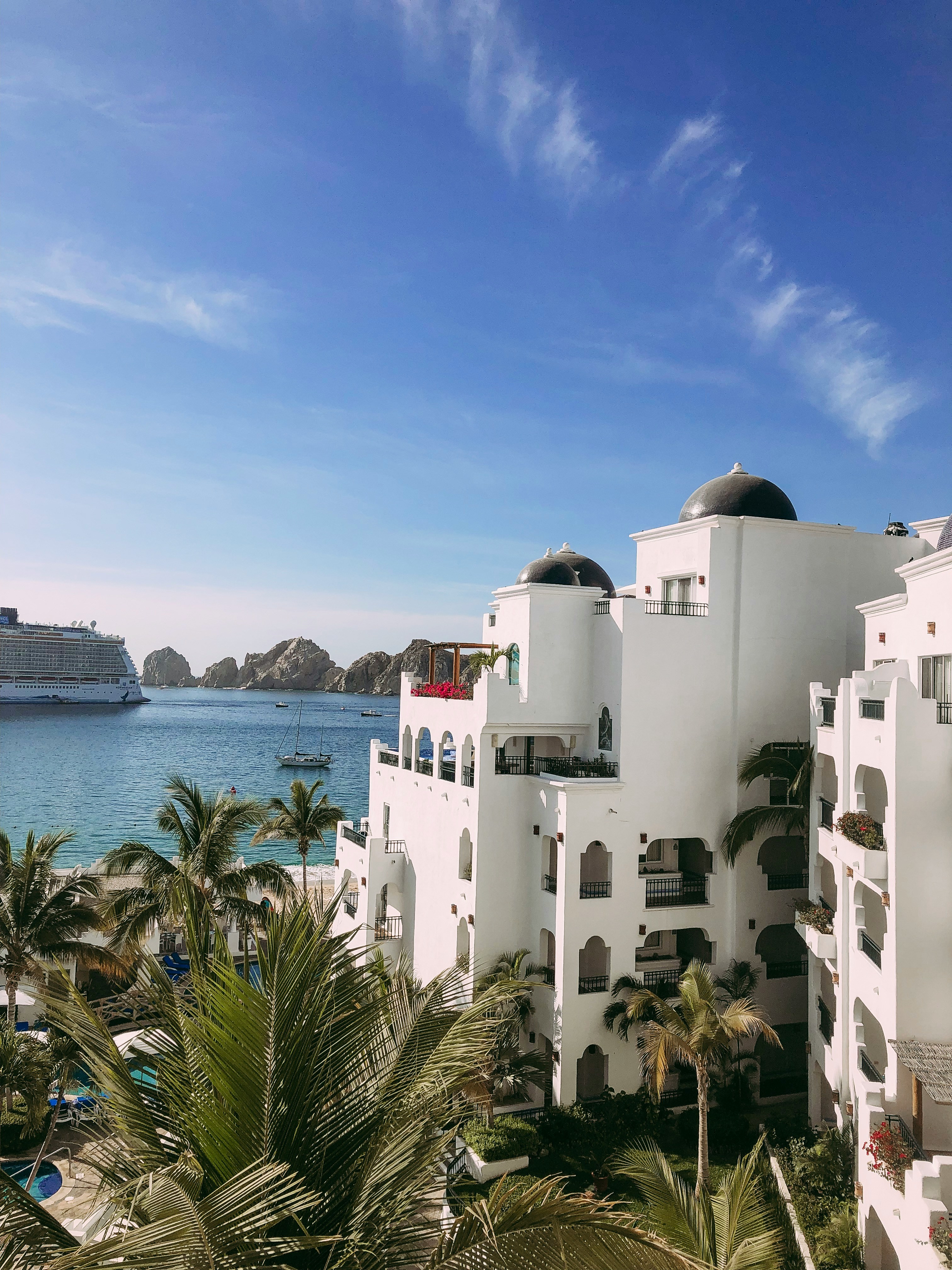
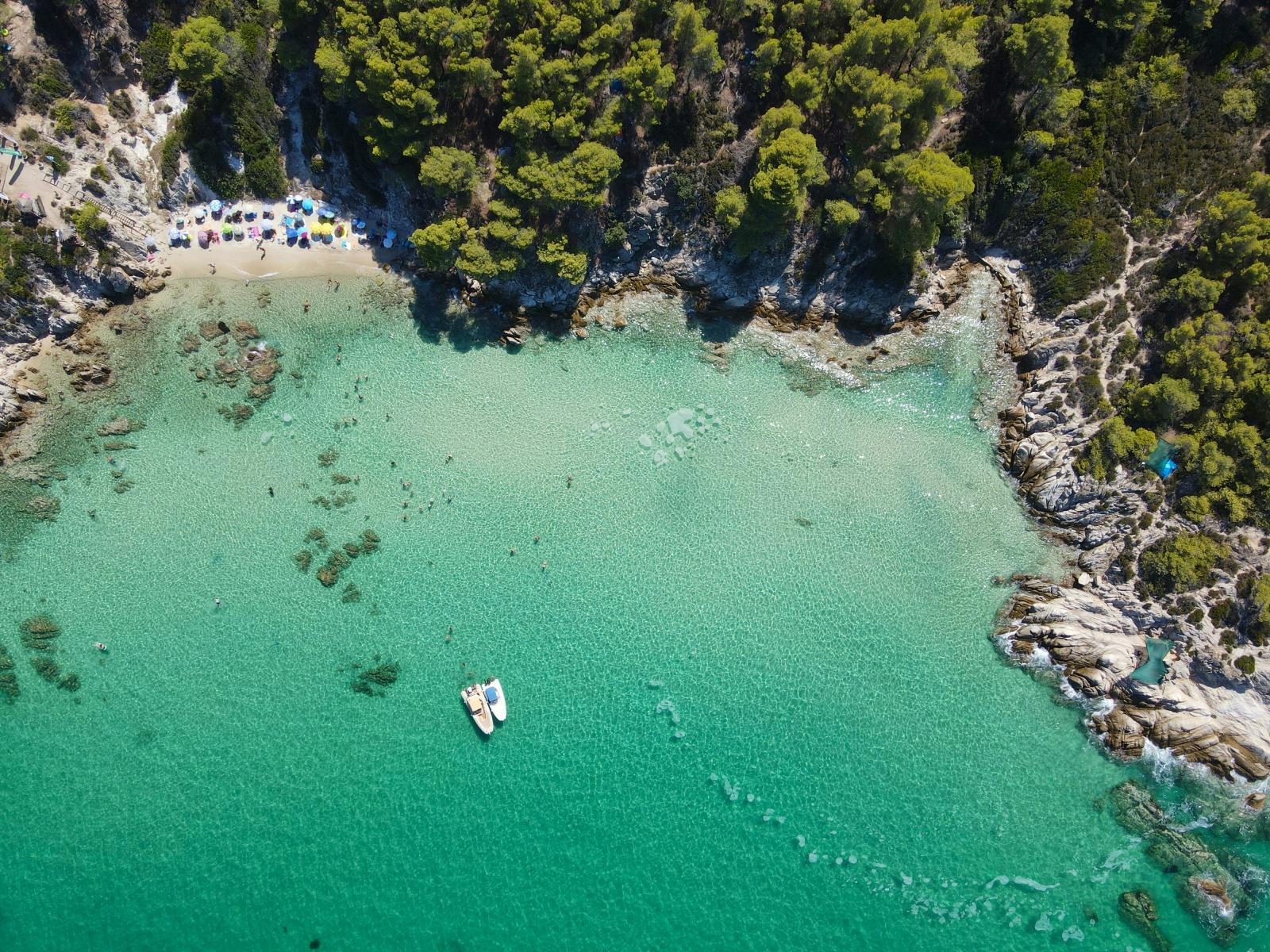
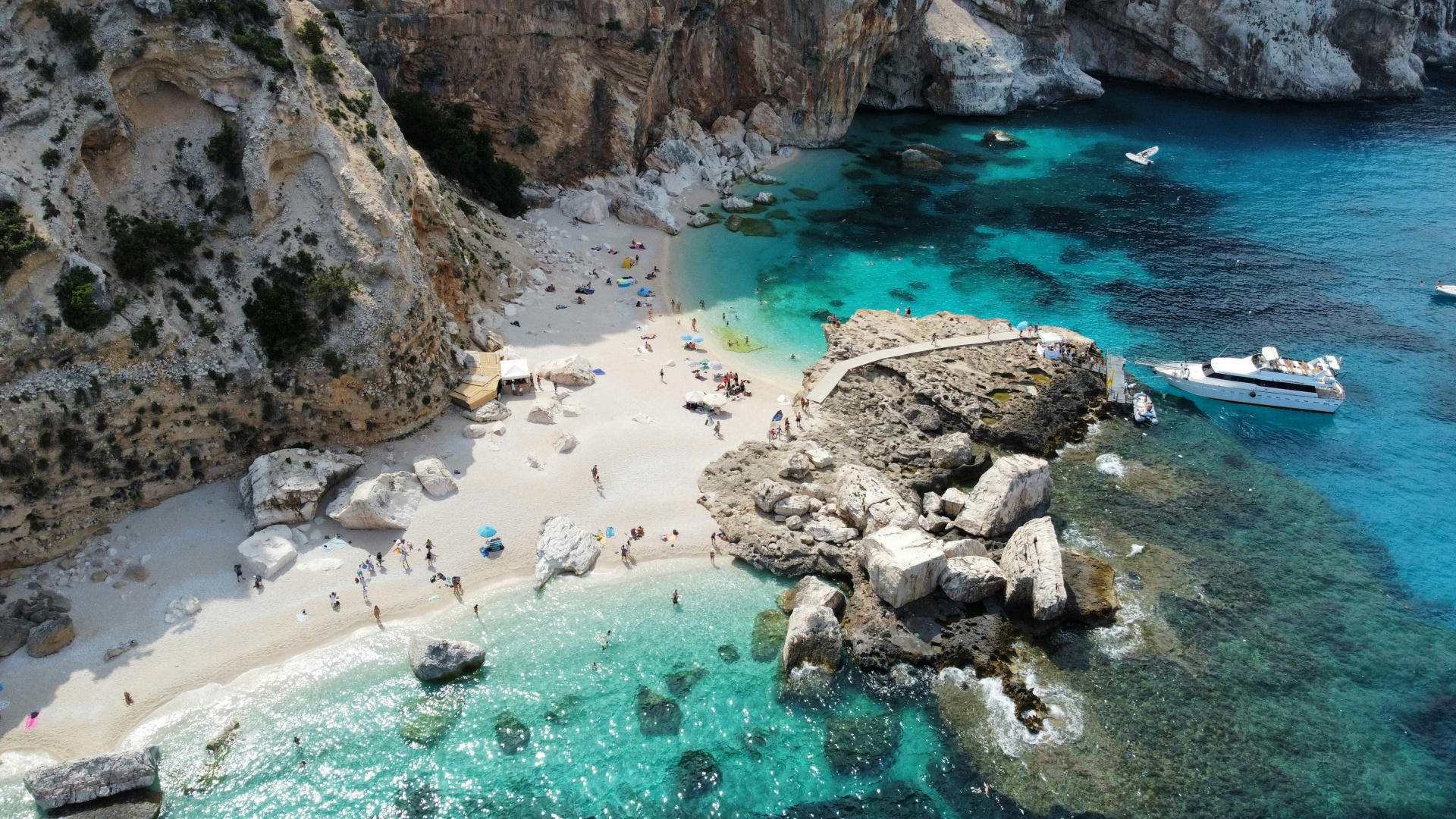
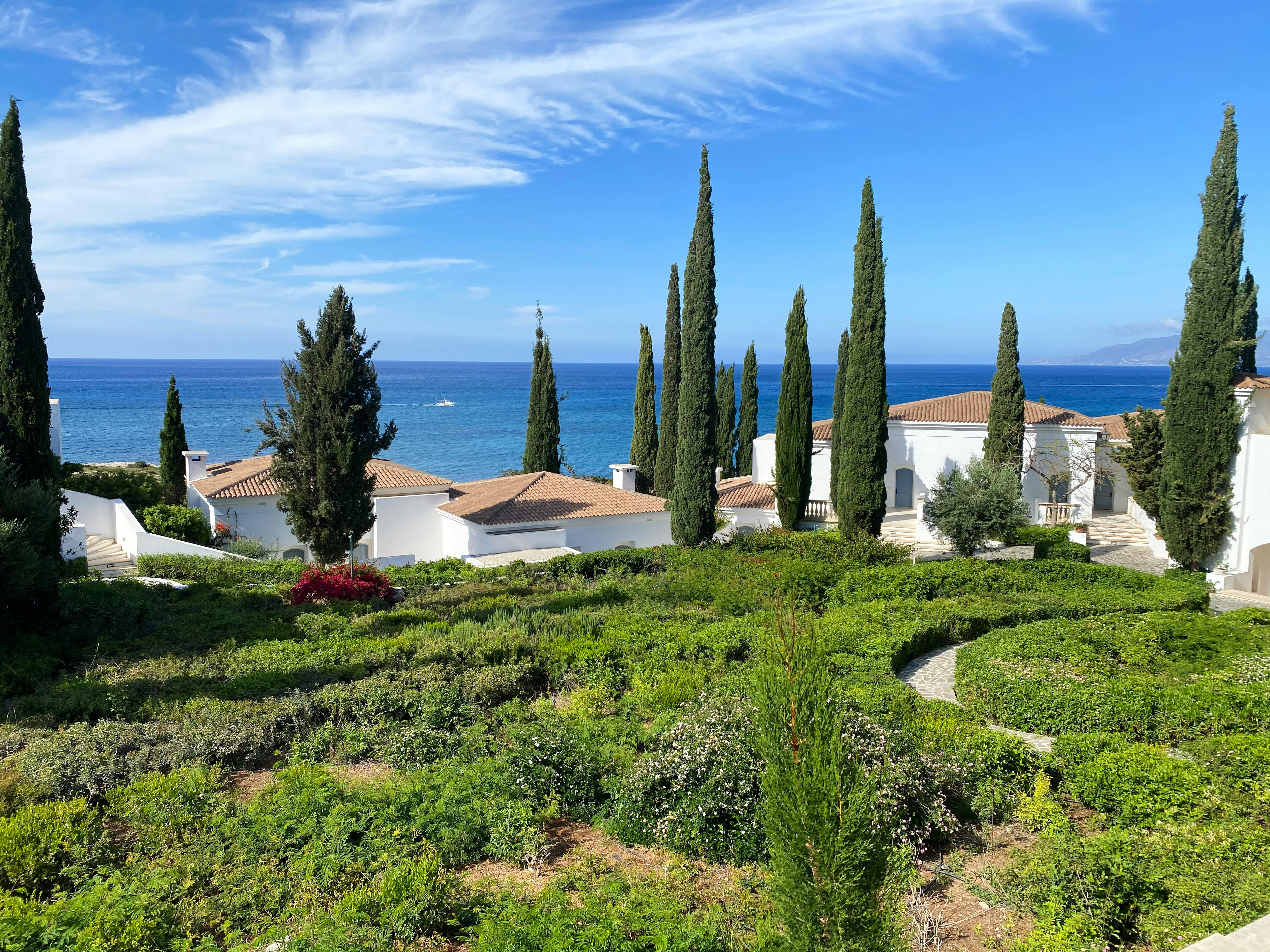

Sri Lanka’s south coast — beaches, heritage and nature
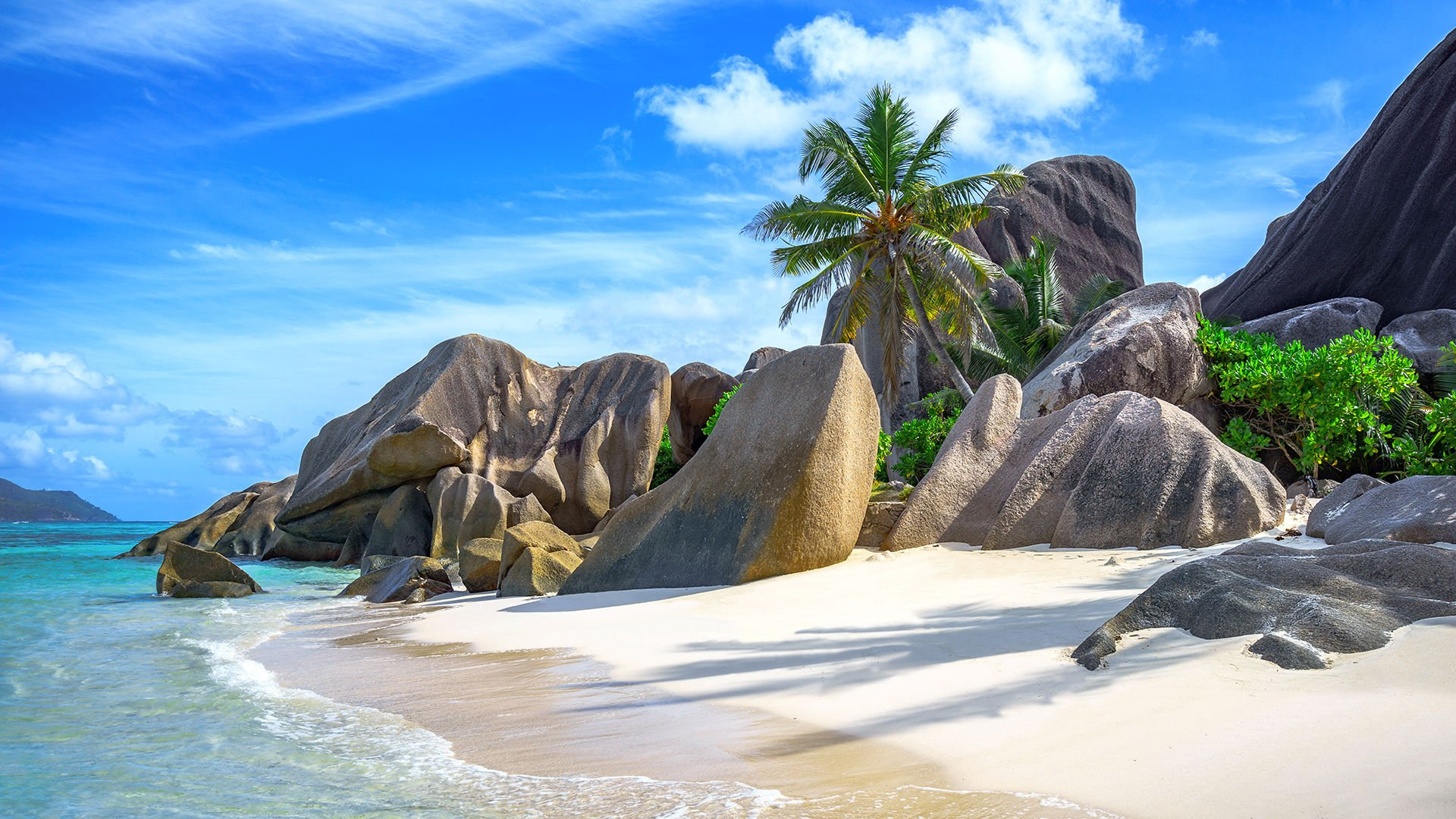
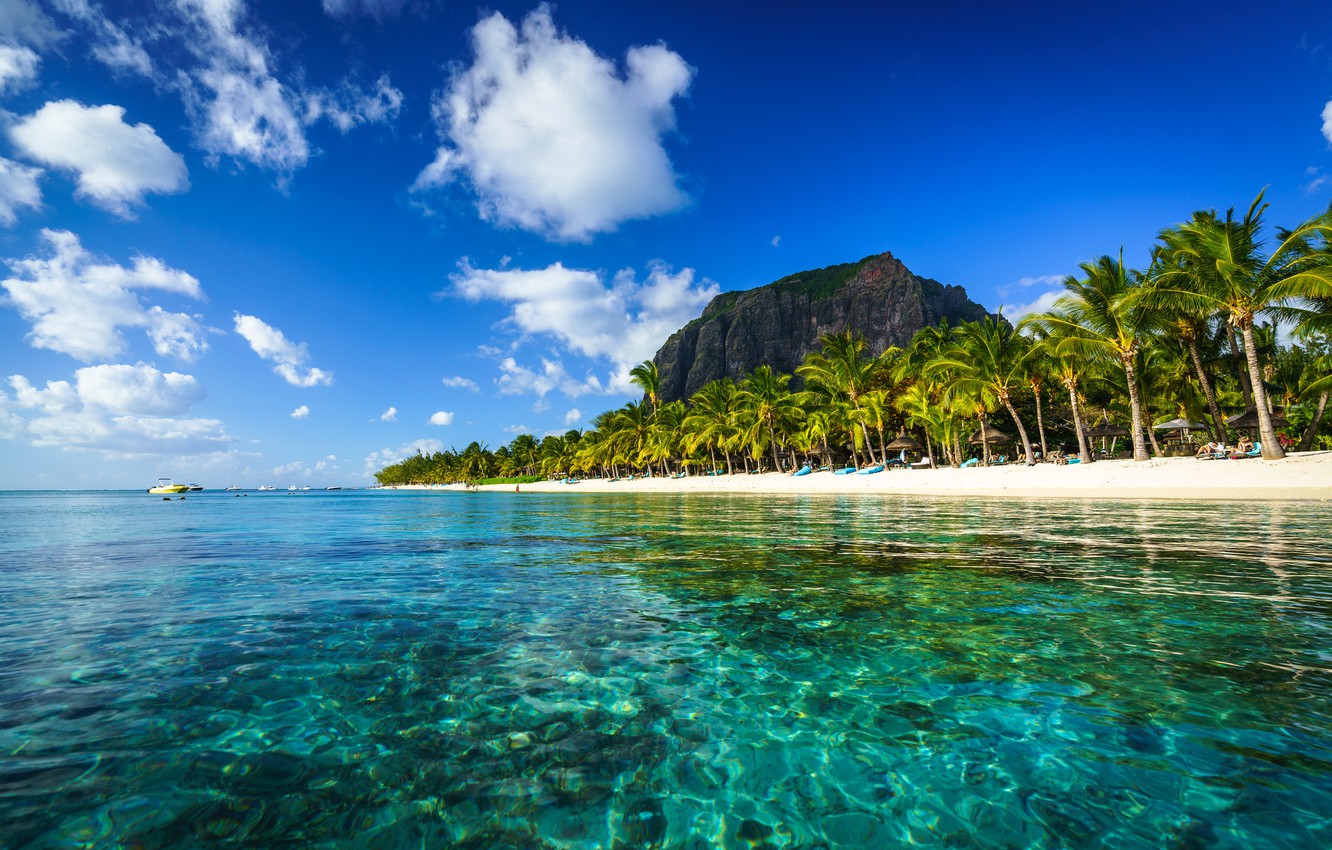
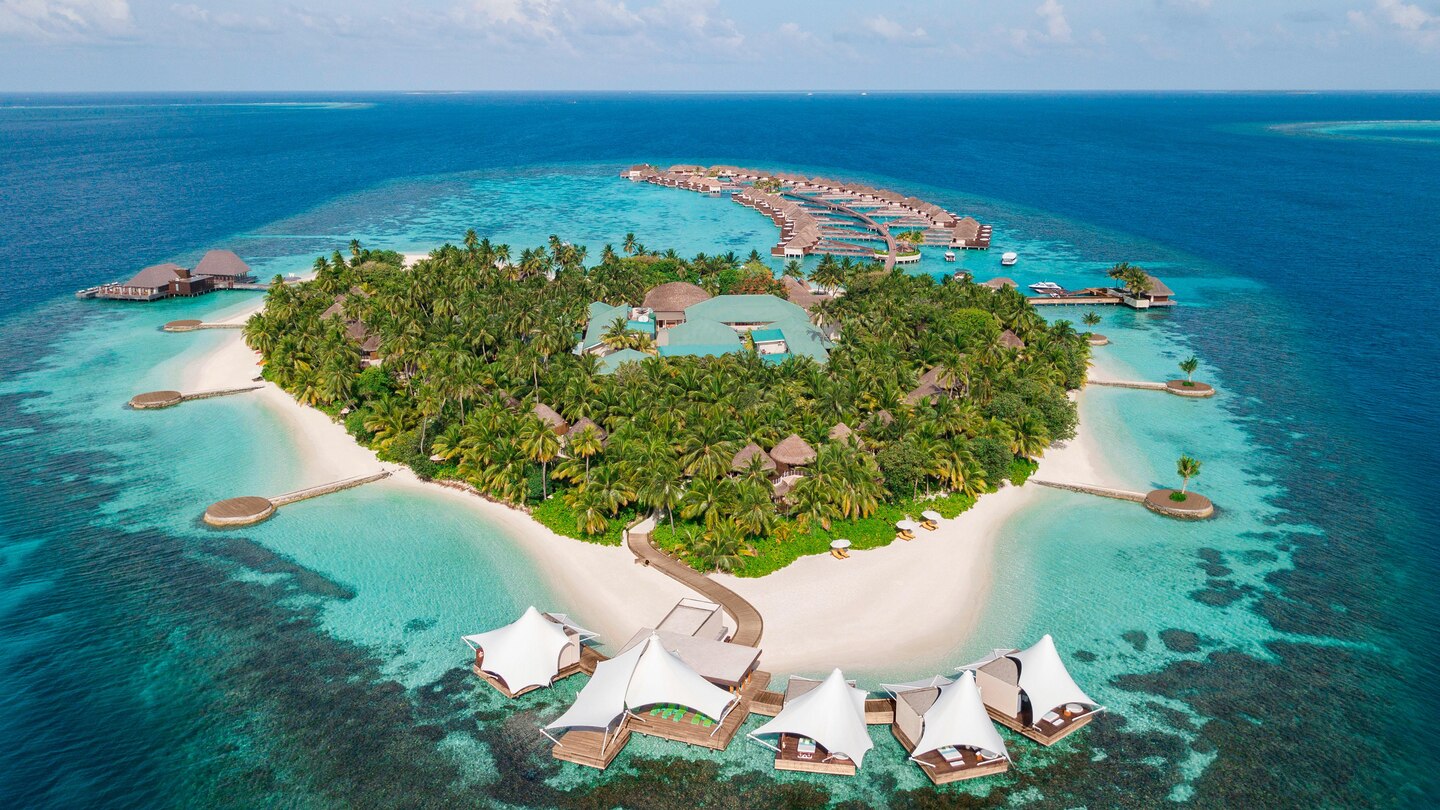
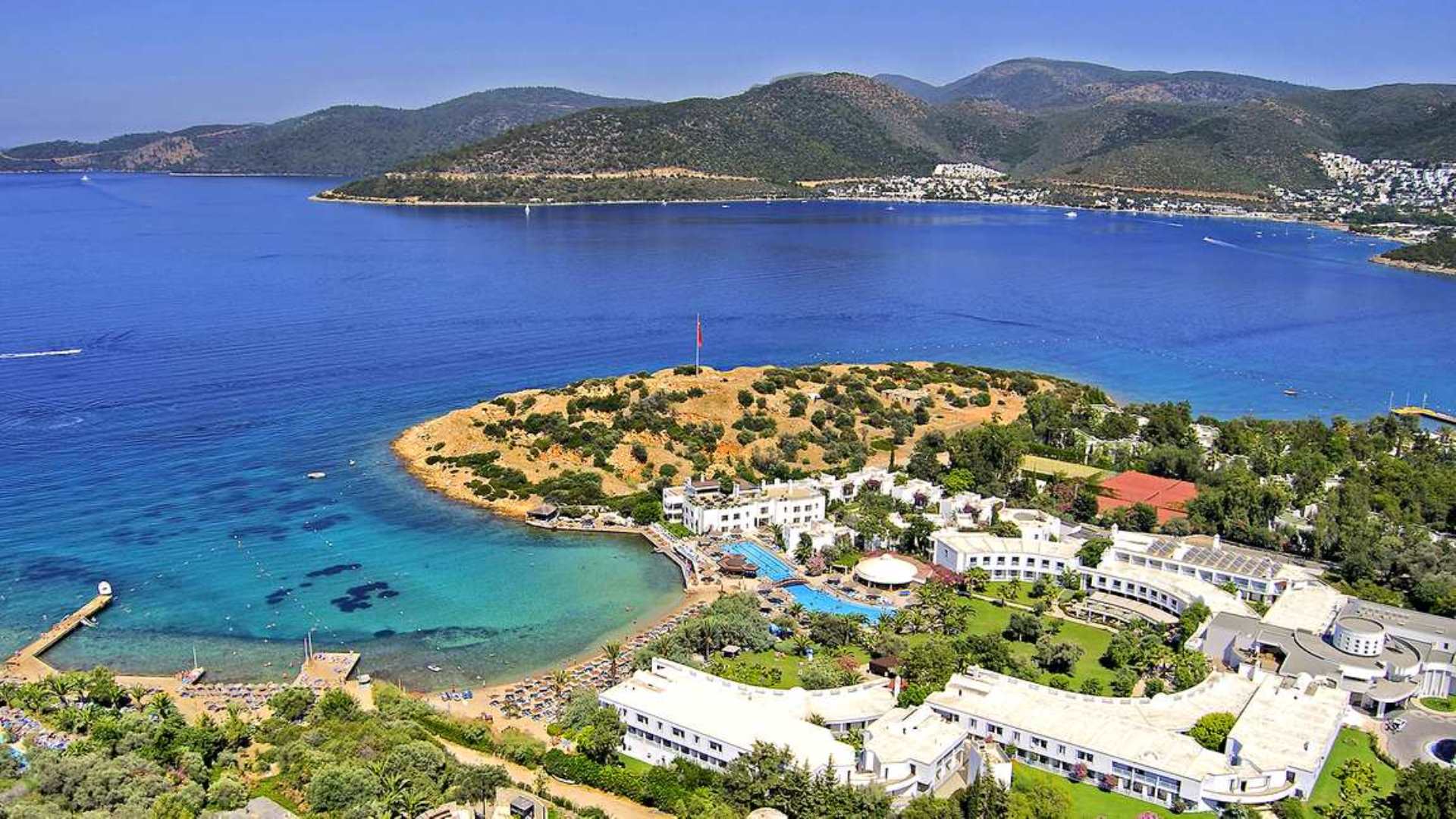
Sri Lanka’s south coast combines historic Galle, small coastal towns, broad beaches and secluded resorts around Tangalle. Rather than being a single resort area, it is an extended coastline offering several distinct experiences, from heritage hotels and restaurants to quiet bays and relaxed stays beside the Indian Ocean.
The region can be planned as a standalone beach holiday or as the final stage of an island itinerary following the Cultural Triangle, tea country or national parks. The right location depends on whether the priority is sightseeing, swimming, surfing, privacy or convenient access to restaurants.
Choosing between Galle and Tangalle
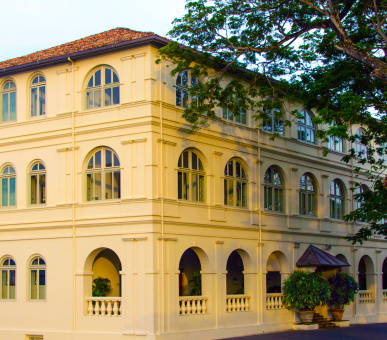
Galle suits travellers who want to combine coastal scenery with historic architecture, restaurants and walking. The Old Town of Galle and its fortifications form a UNESCO World Heritage Site. Staying inside the fort provides atmosphere and easy access to its streets and landmarks, while nearby coastal hotels are generally better suited to a beach-focused stay.
Tangalle lies farther east and offers a quieter setting. Its surrounding coastline is a suitable choice for several restful days at a resort or for finishing a longer journey around Sri Lanka without a busy sightseeing schedule.
The coast between Galle and Tangalle includes livelier beach towns, small bays and surfing areas. Hotel selection should therefore be based on the precise location and beach rather than the general name of the destination.
When to travel
December to March usually brings the most settled conditions to Sri Lanka’s south coast, with less rainfall and more reliable beach weather. April is a transitional month, while conditions become less predictable from May as the south-west monsoon affects this part of the island.
Sea conditions vary between neighbouring beaches. Exposed stretches may experience strong waves and currents, while sheltered bays can be calmer. Travellers should follow local warning flags and hotel or beach-safety guidance before entering the water.
Choosing a hotel
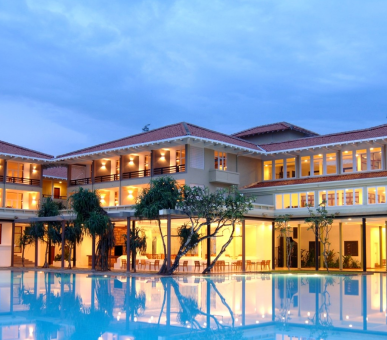
In Galle, accommodation ranges from restored heritage properties inside the fort to beach resorts along the nearby coast. A fort hotel is convenient for architecture, restaurants and walking, whereas a coastal property is usually more appropriate for a traditional seaside stay.
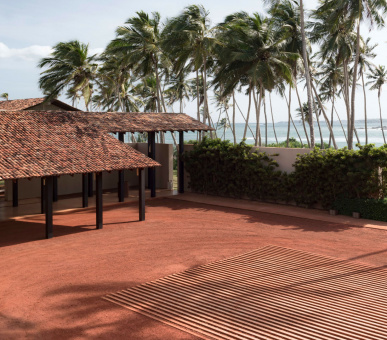
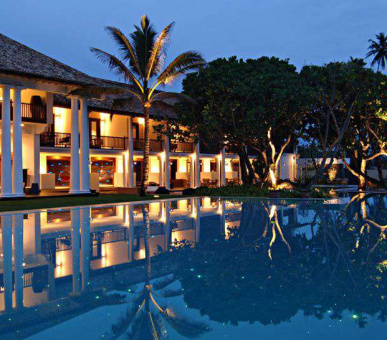
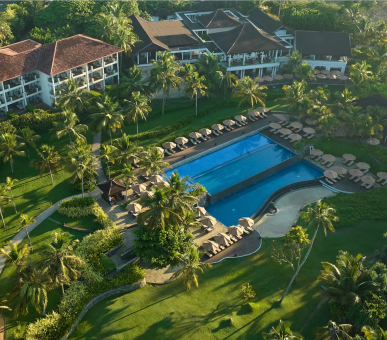
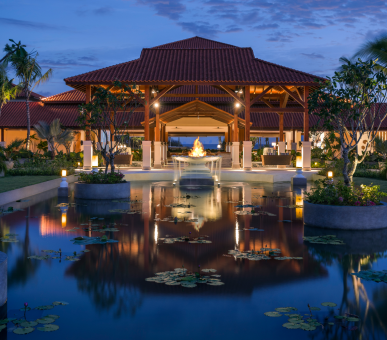
Around Tangalle, travellers can choose between smaller beachfront hotels and secluded resorts. The decision should consider the type of beach, swimming conditions, actual access to the shore, nearby dining options and transfer times.
An ocean-view room does not necessarily provide direct access to a beach suitable for swimming. This should be checked carefully, particularly when travelling with children.
What to include in the itinerary
Galle Fort is the region’s principal cultural landmark. Founded by the Portuguese in the 16th century and later developed under Dutch rule, the fortified town preserves a combination of European planning and South Asian architectural traditions.
A coastal stay can also include walks, visits to small towns and time in natural areas. The programme should avoid unnecessary daily transfers, as journeys along coastal roads may take longer than the distance shown on a map suggests.
Adding the south coast to a Sri Lanka journey
Two or three nights can be sufficient for Galle and a nearby beach. When Tangalle forms the main beach stage of the itinerary, a stay of four to seven nights allows more time to enjoy the hotel and coast.
A well-planned route can travel from the central highlands towards Tangalle before continuing west along the coast to Galle. A personalised itinerary coordinates hotel locations, seasonal conditions and onward transfers without unnecessary backtracking.