Tailor-made journeys through Sri Lanka
Sri Lanka makes it possible to combine ancient cities, tea-covered highlands, national parks and time beside the Indian Ocean. Distances appear short on the map, but journeys across the island often take longer than expected. Ten to fourteen days are recommended for the Cultural Triangle, the hills, a safari and the coast.
Sigiriya and the Cultural Triangle
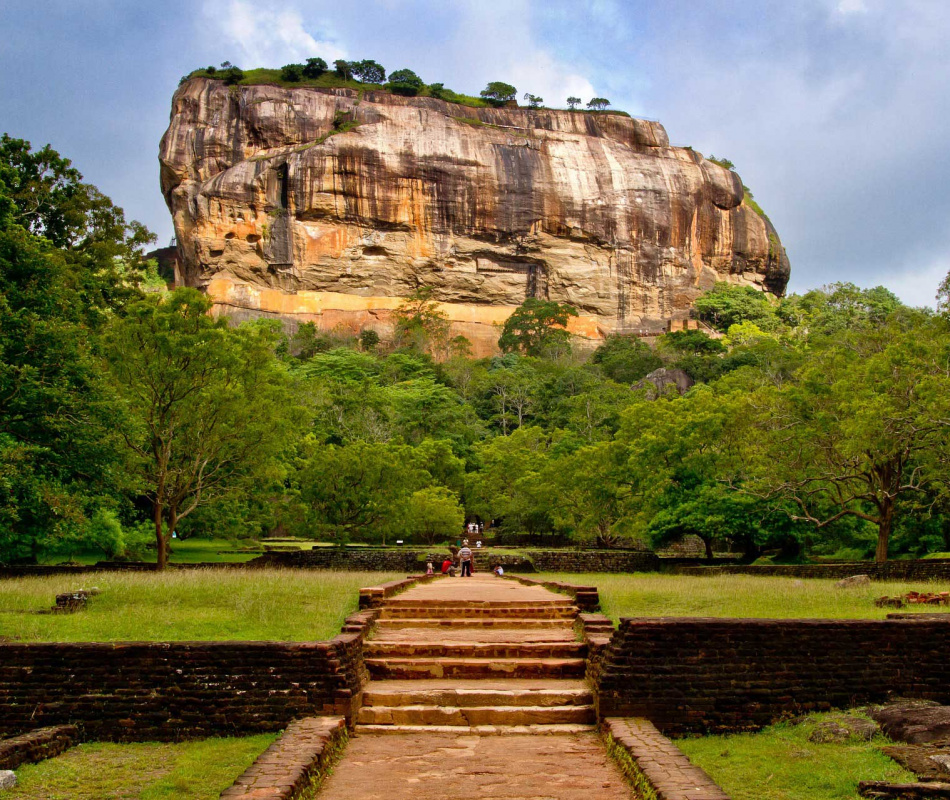
Sigiriya is a rock fortress with palace ruins, frescoes, water gardens and expansive views. Together with the Dambulla Cave Temple and the ancient capitals of Polonnaruwa and Anuradhapura, it forms the foundation of a cultural itinerary.
Two or three nights should be allowed for this region, with major sites divided between different days. The climb to Sigiriya and visits to archaeological complexes are best arranged during the first part of the day before temperatures rise.
Kandy and the tea country
Kandy is known for the Temple of the Sacred Tooth Relic, its lake and the Royal Botanic Gardens. From here, the route can continue through Nuwara Eliya, Hatton or Ella, passing tea plantations, waterfalls and mountain trails.
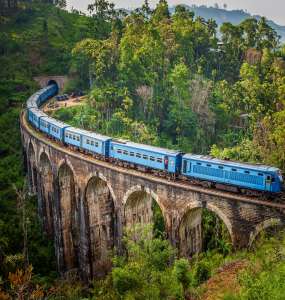
The train journey through the highlands is among the island’s most scenic experiences, but seats in the preferred class should be reserved in advance. A car with a driver provides greater flexibility for visits to tea estates, viewpoints and smaller settlements.
Wildlife safaris
Yala National Park is chosen for the possibility of seeing leopards, elephants and birdlife, while Udawalawe is particularly associated with elephants. Minneriya and neighbouring parks can be added to a Cultural Triangle itinerary. The safari location should reflect seasonal conditions, road access and animal movements. Sightings in any particular area cannot be guaranteed.
Galle and the coast
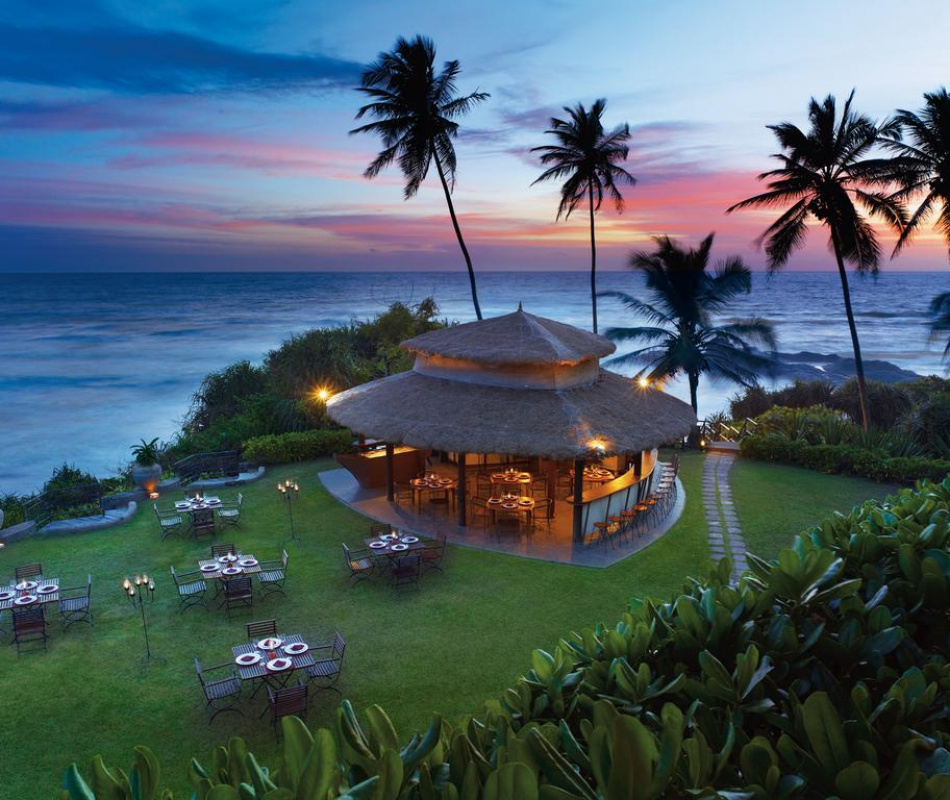
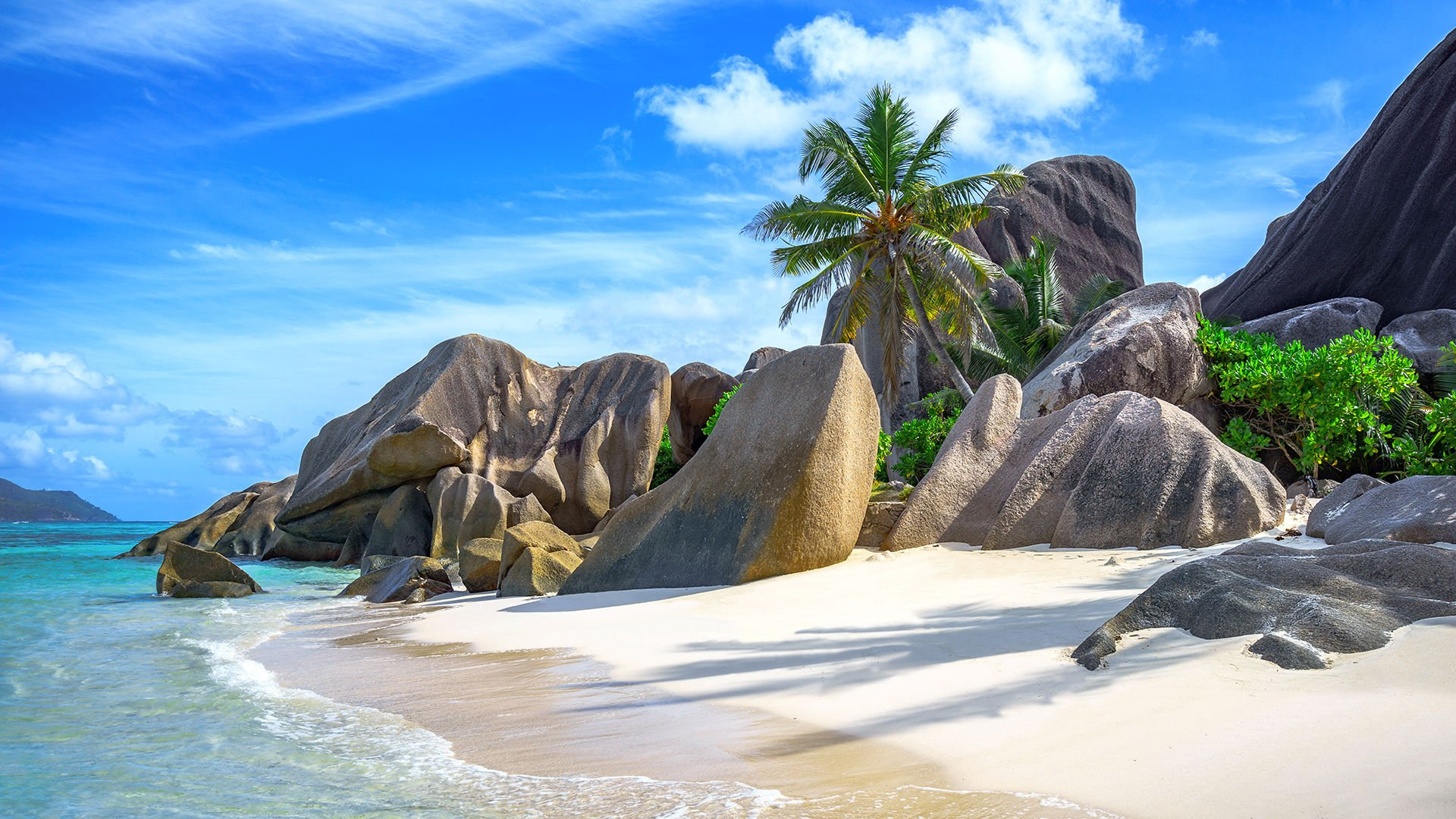
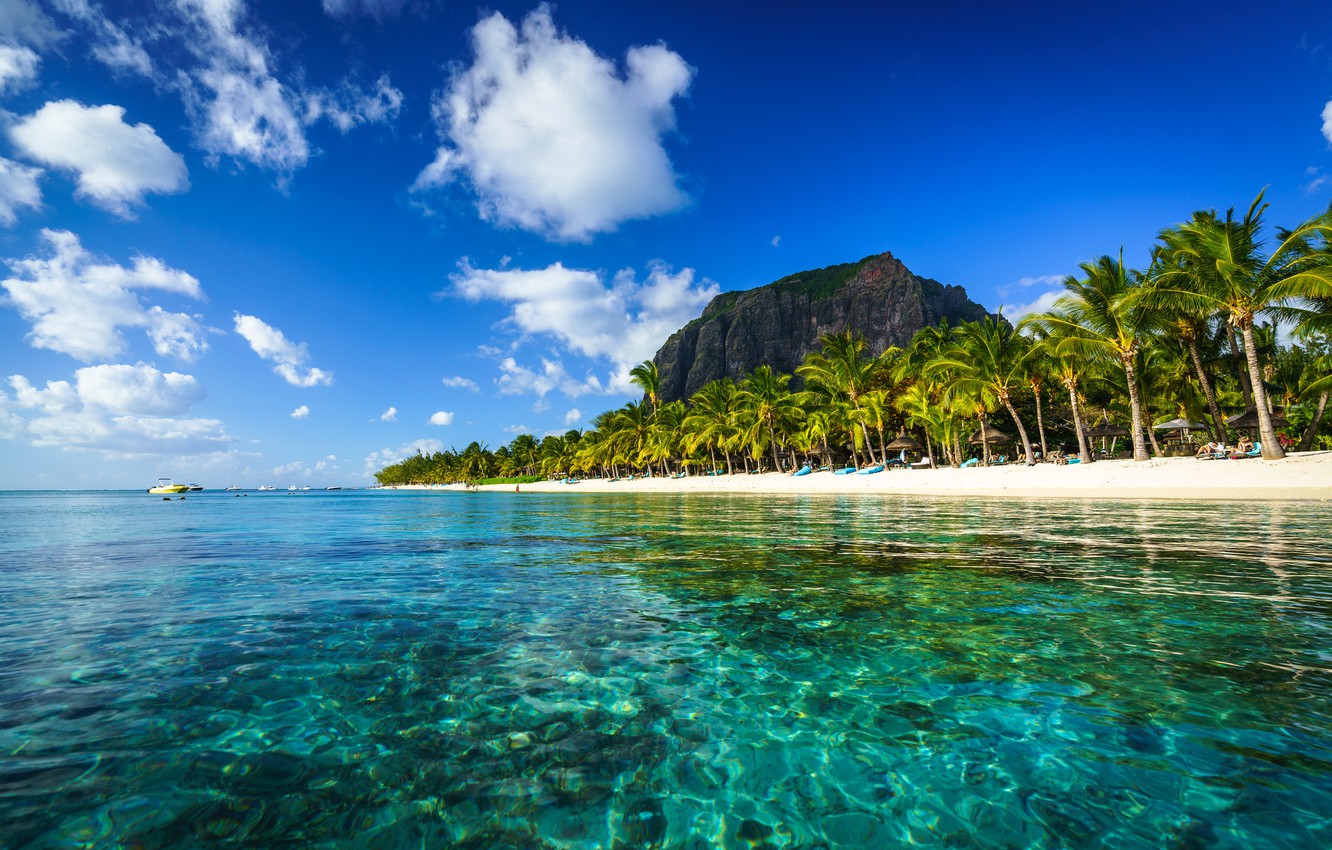
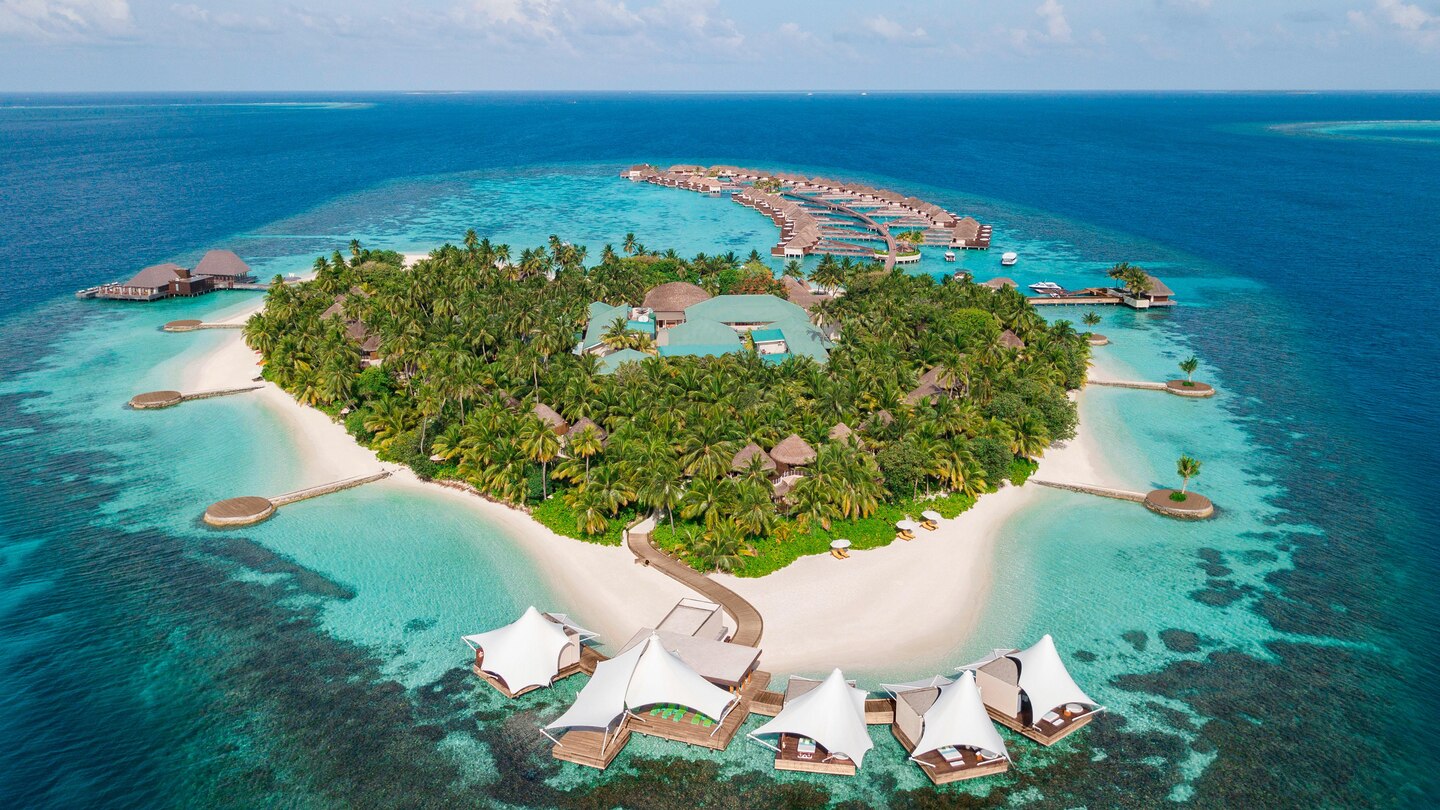
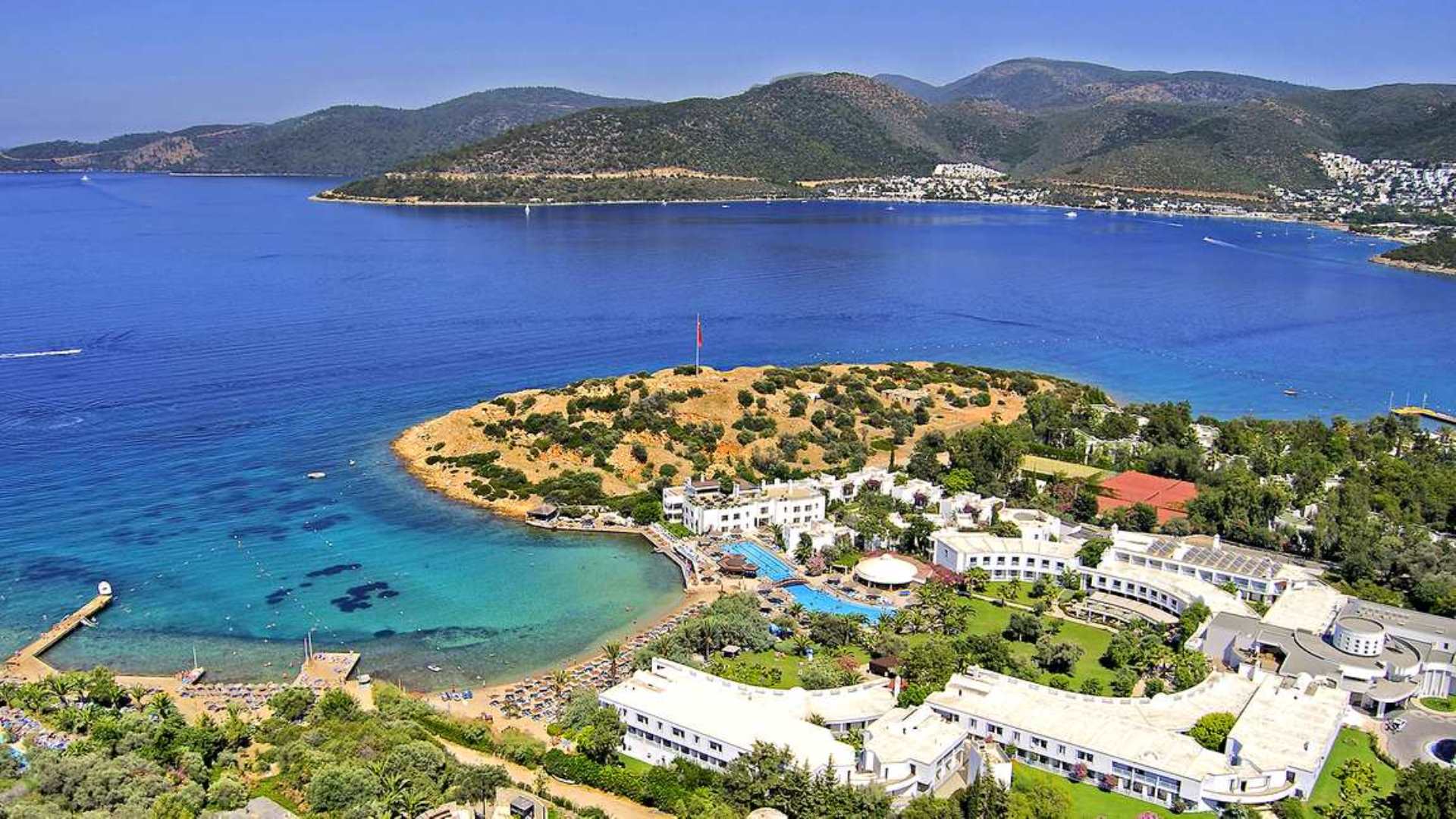
The UNESCO-listed Galle Fort combines naturally with a stay on the southern coast. Weligama suits surfing, while Tangalle and Bentota offer different styles of beach holiday. Hotel selection should consider not only location but also wave conditions, water depth and the suitability of the beach for swimming.
The southern and western coasts are generally favoured from approximately November to March. From late spring into early autumn, the eastern coast around Trincomalee, Nilaveli or Pasikuda is often a better choice. As the island is shaped by two monsoon systems, the route should always be planned around the selected dates.