
Luxury Holidays in Corsica
Corsica was made for yachting: Bonifacio’s cliffs, the Lavezzi coves and an onboard dinner of island produce.



Corsica is an island in the Mediterranean Sea, an autonomous territory of France with its own self-government and dialect. It is not the French who live here, but the Corsicans, the most famous of whom, of course, was Napoleon Bonaparte, born in Ajaccio on August 15, 1769.
Corsica only became part of France in the 18th century, but before that, the island's turbulent history included Romans, Byzantines, Spaniards, British, and Genoese. The very first settlements appeared on Corsica over 9,000 years ago, and traces of them can still be found throughout the island.
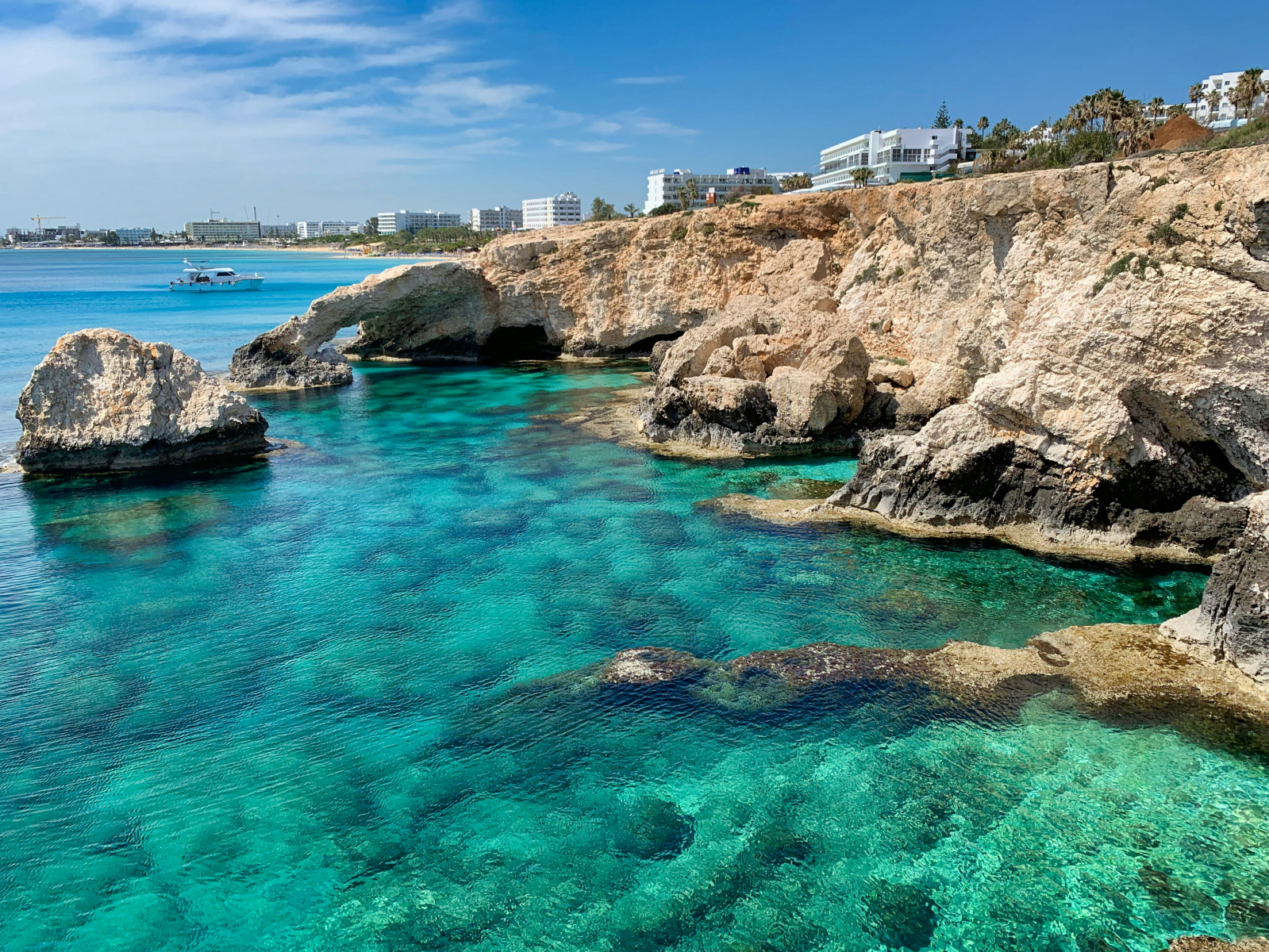
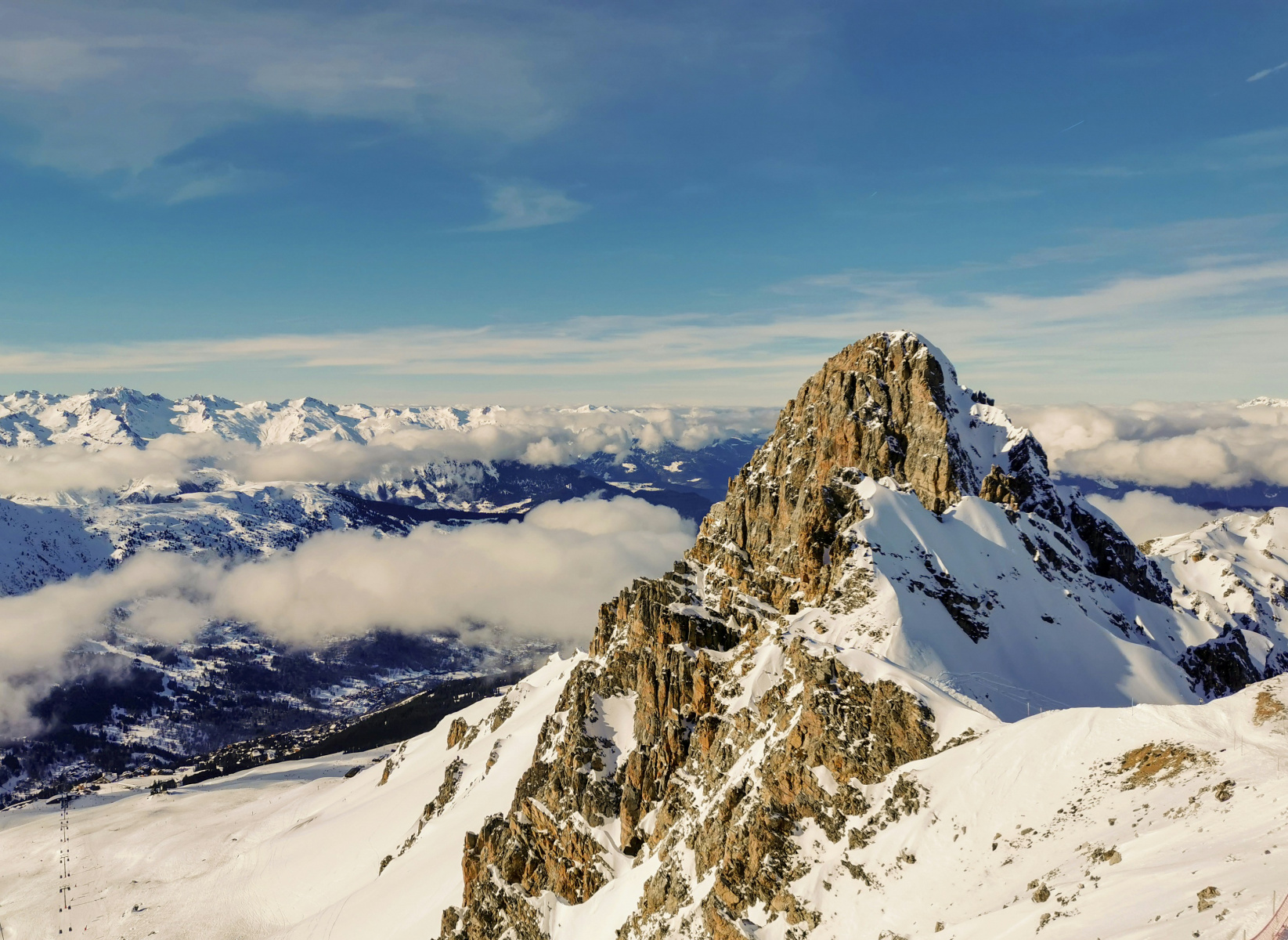
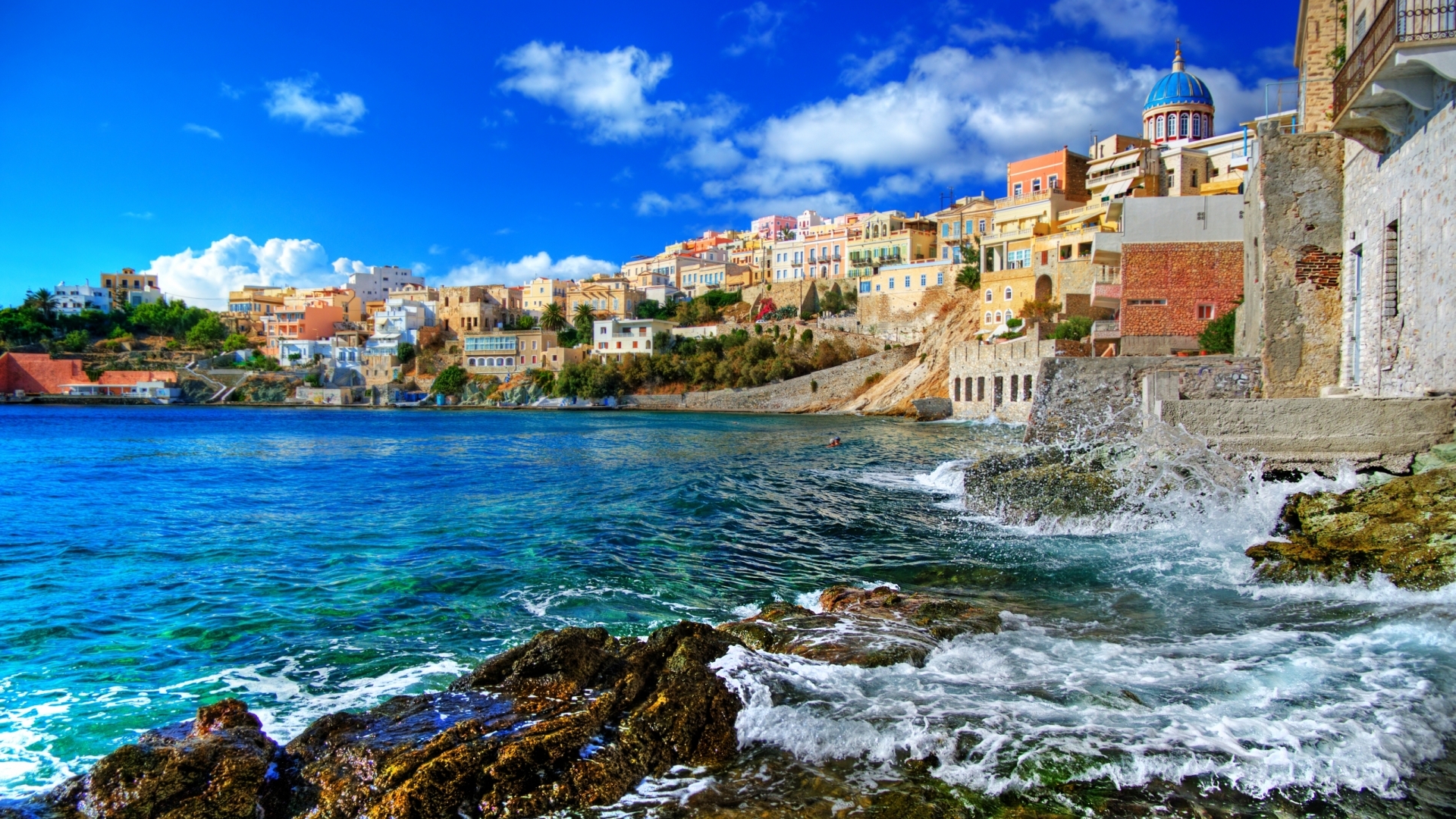
Corsica is rich in fantastic landscapes – its nature is incredibly diverse and resembles a miniature Europe – beaches, bays, cliffs, mountains, lakes, hills, and forests are magnificent and virtually untouched by civilization.
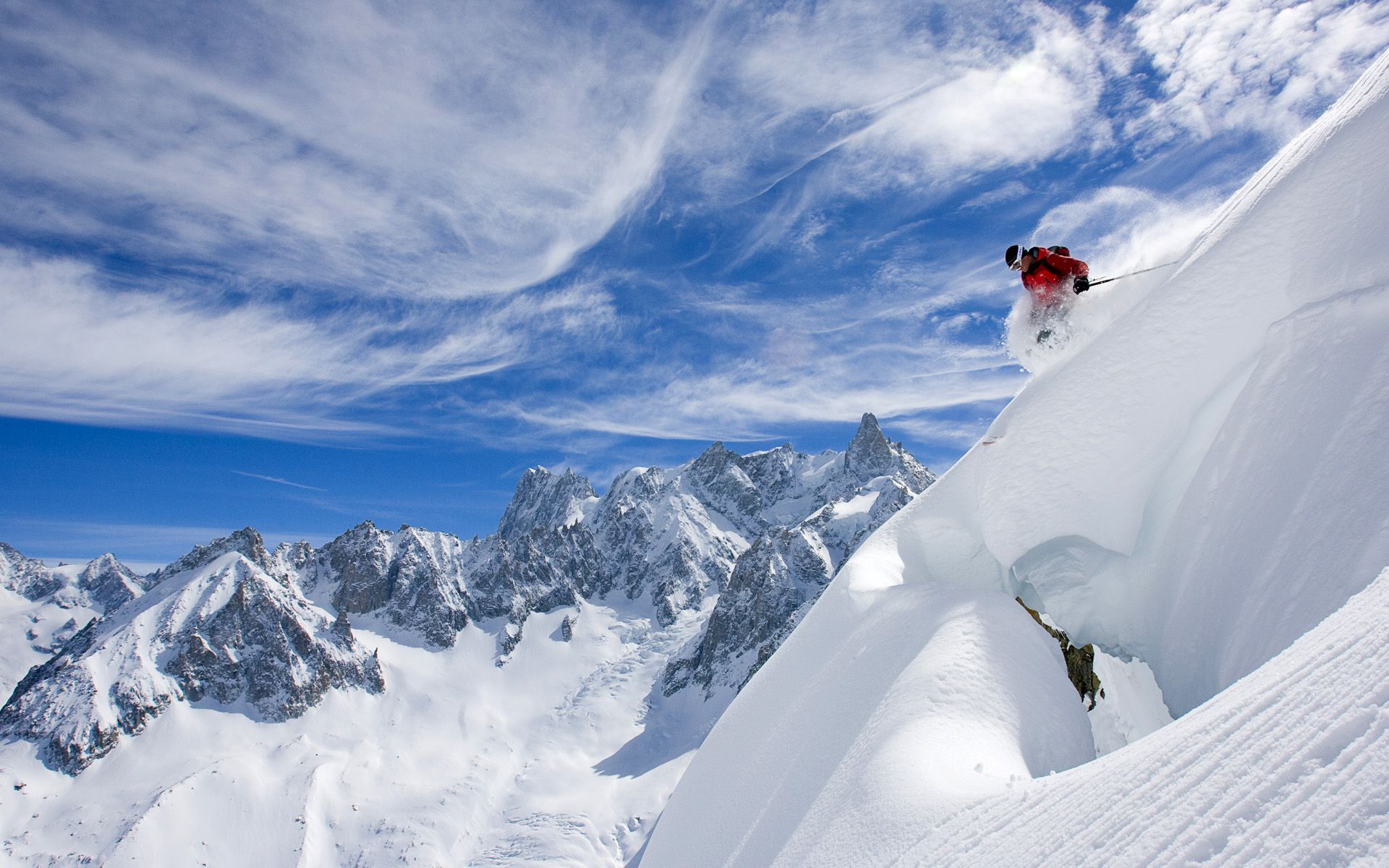
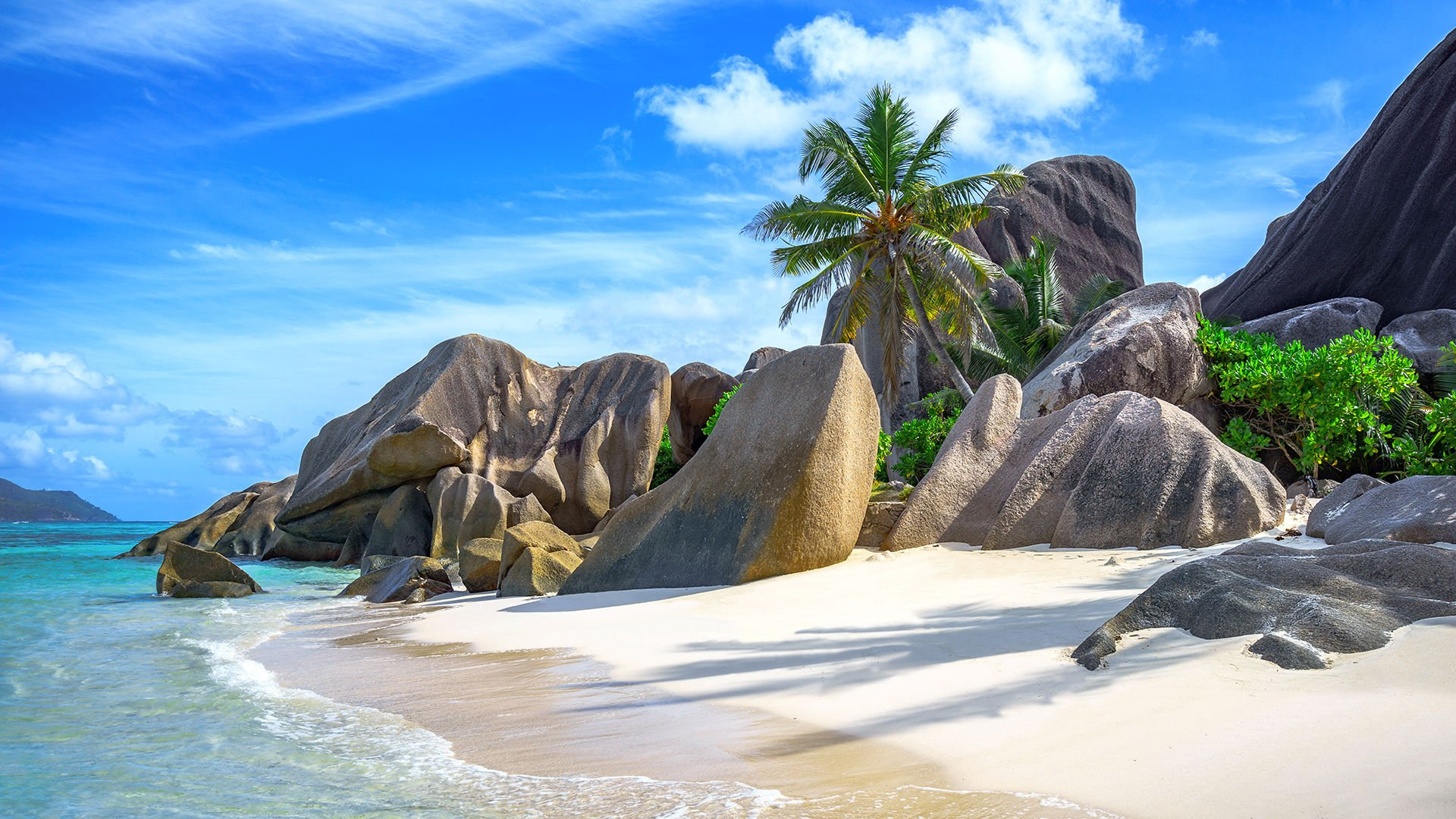
Approaching Corsica from the sea, the first thing you see are the snow-capped peaks of its towering mountains, the highest of which is Pic Cinto, at 2,700 meters. Then, pine forests and vineyards emerge from the azure sea, and the coastal panorama unfolds with small coves, red granite shores, pristine beaches and dunes, and ancient watchtowers. Almost all the island's coastal towns have such towers, as in ancient times this paradise was often subject to devastating raids from the sea.
Residents often had to retreat to the mountains or hide in the famous "maquis." Maquis is a dense growth of intertwined trunks and shoots. It is also the name for the island's interior, an uncultivated, rocky area made up of mountains and valleys.
Prosper Mérimée wrote over 100 years ago: "If you have killed a man, flee to the maquis of Ponte Vecchio, and you will live there in safety, provided you have a good gun, gunpowder, and bullets... The shepherds will give you milk, cheese, and chestnuts, and you have nothing to fear from justice or the relatives of the murdered man, unless it becomes necessary to go down to town to replenish your gunpowder supplies."
Today, the maquis of the central part of the island is a protected nature reserve – the Regional Natural Park of Corsica.
Climate of Corsica
Warm and dry summers, moderate winters, more than 2,700 hours of sunshine per year, and few rainy days. The average annual air temperature is around 20°C, and the sea temperature is 17°C. From January to March, it is 14°C, from April to June, 21°C; in summer, on the coast, the air temperature can reach 36°C. °C, and the water temperature is +26° C.
Ajaccio is the capital of Corsica. There's a Napoleon museum in the house where Napoleon was born, and souvenirs with his image are everywhere. Incidentally, the Fesch Museum, which ranks second in France after the Louvre in the number of Italian paintings, was founded here under the will of Napoleon's uncle. Not far from Ajaccio are the Sanguinaries (Bloody Islands), an unusually picturesque island, especially at sunset.
Fifteen kilometers south of Ajaccio is the luxurious resort of Porticcio: fine-sand beaches, plenty of sunshine, and restaurants offering exquisite cuisine.
Bonifacio is the town where, according to legend, Odysseus stopped. The coastline from Ajaccio to Bonifacio is one of the most beautiful in Corsica.
Calvi is a small, cozy town where you can stroll along the wide promenade, bordered by mountains on one side and an ancient Roman citadel on the other. Calvi's citadel bears the marks of artillery shells fired at it in 1794 by an English squadron. The Corsicans, with the help of the English, attempted to assert their independence from revolutionary France by storming Calvi, forcing the French garrison to lay down their arms. During the assault, the future admiral and then captain Nelson lost an eye here. Locals believe that Christopher Columbus was born here, not in Genoa, and even erected a monument to him in the form of a ship's prow embedded in a stone wall.
Propriano has only one street, lined along the beach with cafes and restaurants varying in theme, decor, and cuisine. The town is located on the quiet Valinco Bay, described by Prosper Mérimée in his novella "Colombo." Not far from Propriano, you can visit the house where Colombo was born and died at the age of 86. This place is called Fozzano.
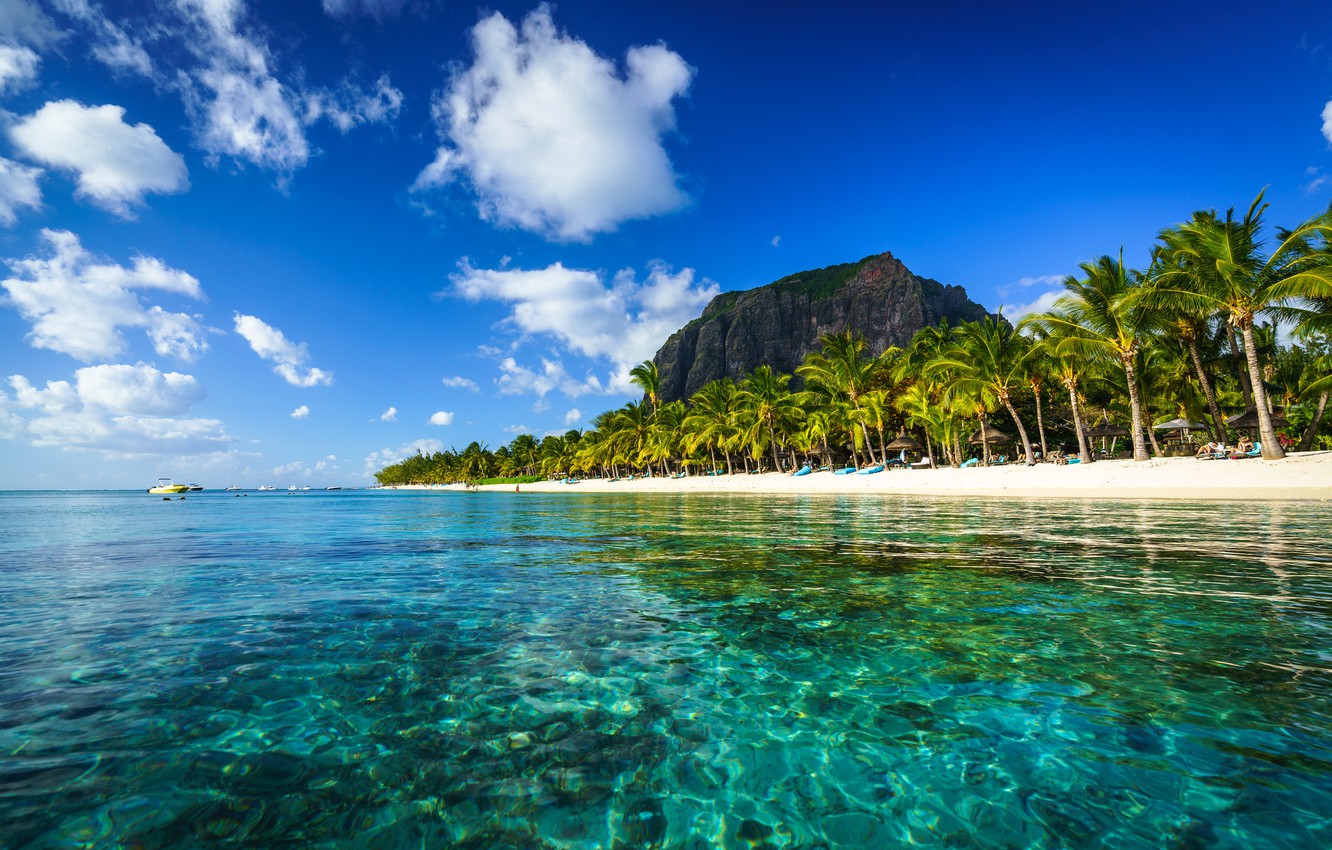
Porto-Vecchio is a magnificent holiday destination for all types of tourists. The beach is made of the finest sand, the sea is stunningly clear, and the air is permeated with the freshness of pine trees. In the center of Porto-Vecchio, the old town, the Church of St. John the Baptist, the town hall, and the port with its panoramic views of the bay are all worth visiting.
Excellent pork dishes paired with local wine, goat cheese, cured sausages, seafood, fruits, and vegetables are the hallmarks of Corsica's culinary traditions, with chestnuts and olives occupying a privileged place.