Tailor-made journeys through Canada
Canada brings together national parks, vibrant cities, dramatic coastlines and the landscapes of the north. Because of the country’s size, most journeys work best when focused on one or two regions. This allows time for scenic stops, guided experiences and relaxed stays without changing hotels every day.
The Rockies and western Canada
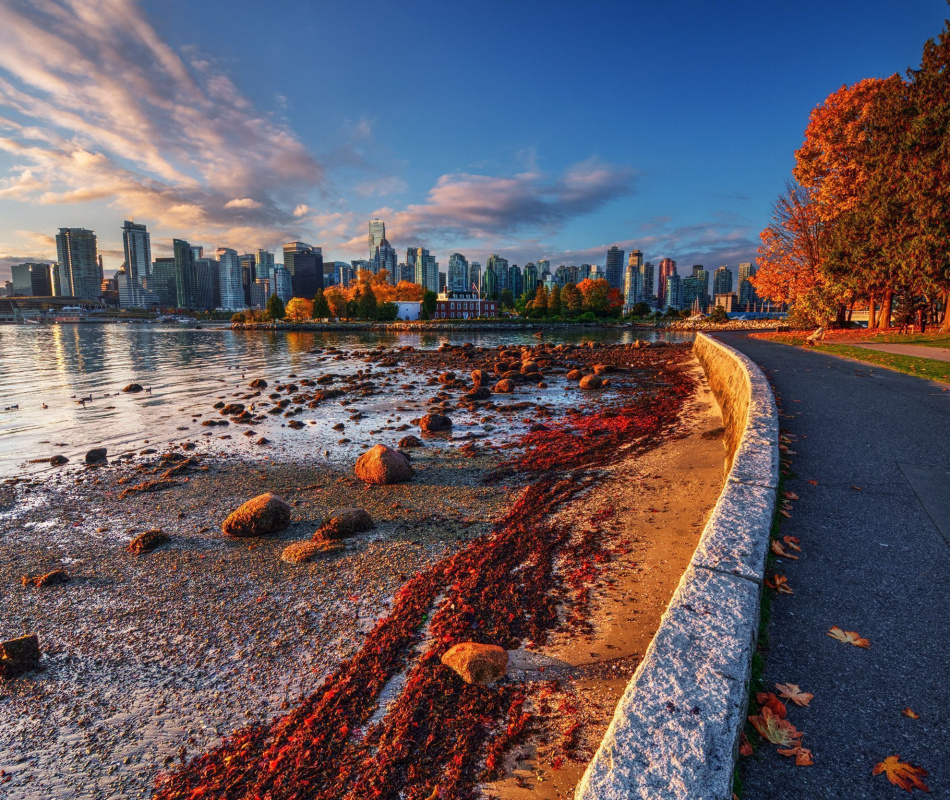
A western Canada journey often begins in Vancouver before continuing to Banff, Lake Louise, Moraine Lake and Jasper National Park. The route reveals mountain passes, glaciers, turquoise lakes and some of the country’s most memorable roads.
Travel between the Pacific coast and the Rockies can be arranged by panoramic train or by car with a driver. The itinerary may also include guided walks, scenic flights and visits to quieter mountain lakes. Hotels are selected according to their views, location and access to the national parks.
Toronto, Niagara and Québec
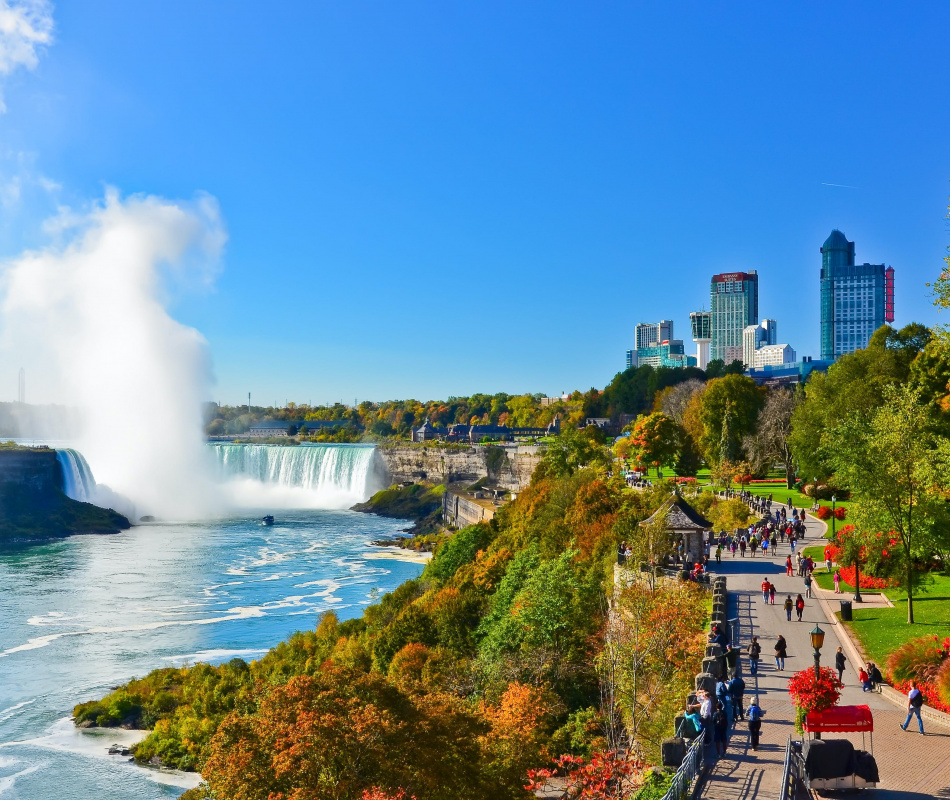
Eastern Canada offers an elegant combination of nature, architecture and dining. Toronto can be paired with Niagara Falls before the journey continues to Montréal and Québec City. Rail connections between the main cities provide a comfortable alternative to domestic flights.
In Québec City, the programme can include the historic centre, a guided walk and a countryside journey along the St Lawrence River. This route is particularly attractive during the autumn colour season.
Wildlife and northern journeys
Boat trips from Vancouver Island offer opportunities to see whales, while selected areas of British Columbia are known for bear watching. Churchill is associated with polar bear journeys, and the Yukon is one of Canada’s leading northern lights destinations. Each experience has a specific season, so timing is an important part of the planning.
When to visit Canada
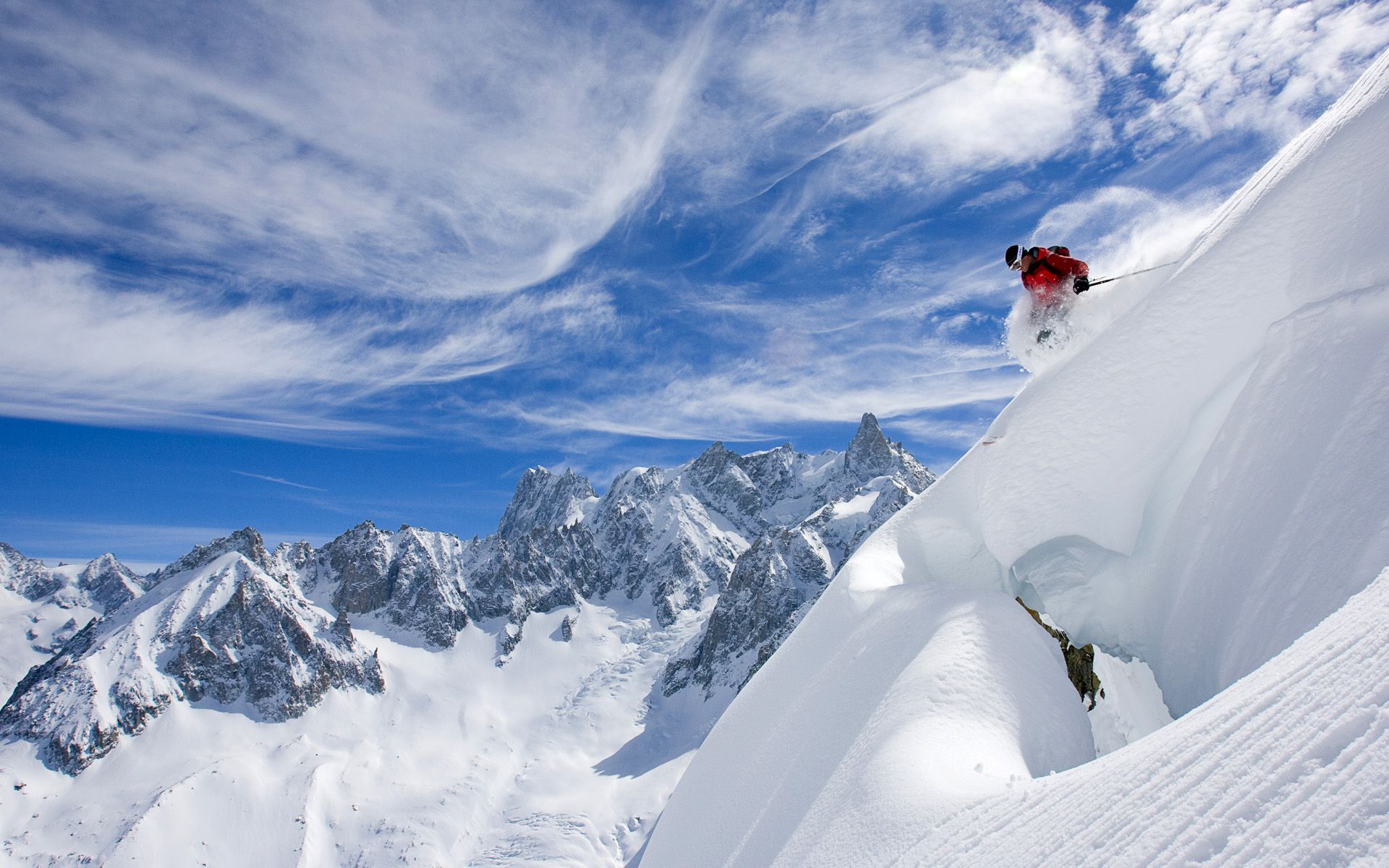
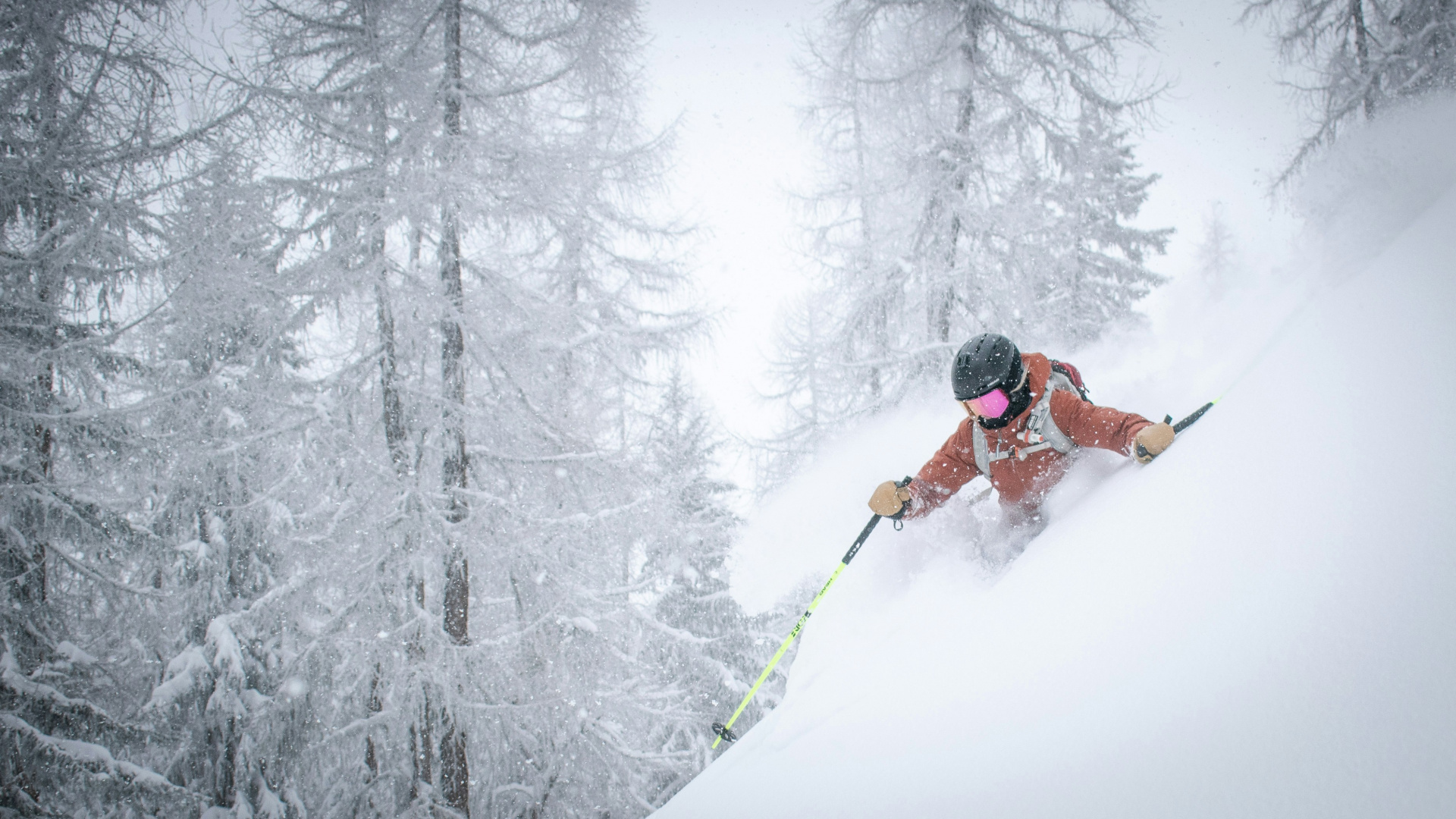
June to September suits journeys through the Rockies and national parks. September and early October bring autumn colours to eastern Canada, while winter is ideal for skiing and snow-based activities. Panoramic rail journeys, sought-after hotels and popular park experiences should be booked well in advance.